








Swiss study: Arabica cultivation areas could be halved by 2050
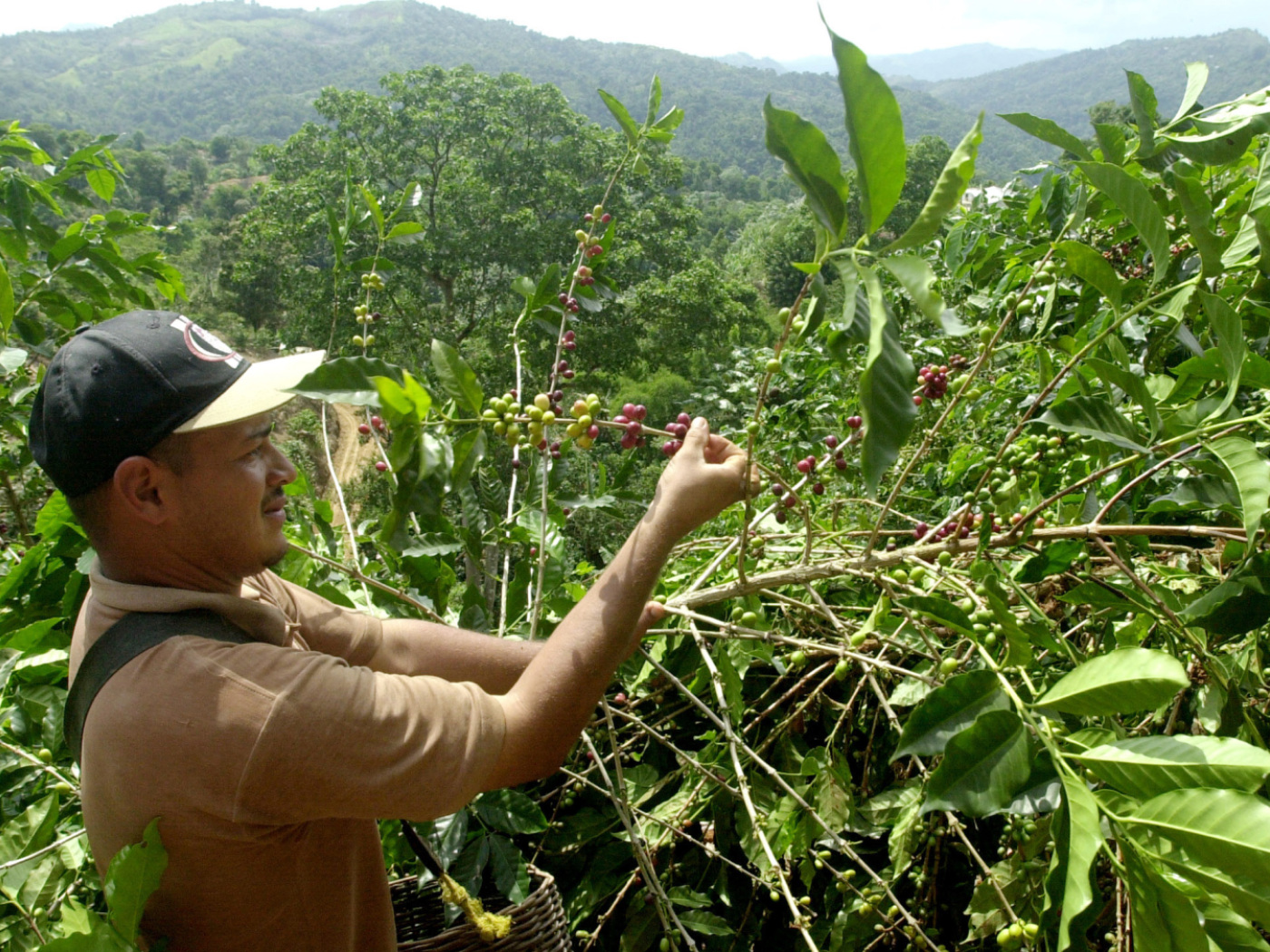
Around the world, the areas most suitable for growing the bean could be cut in two by 2050. With high CO2 emissions, they could even shrink by 60%.
Select your language
Generated with artificial intelligence.
Listening:
Swiss study: Arabica cultivation areas could be halved by 2050
+Get the most important news from Switzerland in your inbox
The numbers are from a study by the Zurich University of Applied Sciences (ZHAW), which explains that the decline is due to coffee plants being particularly sensitive to temperature fluctuations. Falling soil pH values and erosion are also likely to harm cultivation.
Brazil is particularly likely to feel the effects of this: the country is by far the largest producer of Arabica coffee, accounting for almost four times as much coffee in the 2023/24 season as the world’s second-largest producer, Colombia.
+ Read more about the Swiss role in the global coffee industry
Arabica beans are considered to be fruitier, more aromatic and less bitter. They are mainly used for espresso-based drinks and account for around 70% of global production.
Robusta beans, on the other hand, are earthier and nuttier and contain more bitter substances. They are used for instant coffee and make up the remaining 30% of the global harvest.
Translated from German by DeepL/dos
This news story has been written and carefully fact-checked by an external editorial team. At SWI swissinfo.ch we select the most relevant news for an international audience and use automatic translation tools such as DeepL to translate it into English. Providing you with automatically translated news gives us the time to write more in-depth articles.
If you want to know more about how we work, have a look here, if you want to learn more about how we use technology, click here, and if you have feedback on this news story please write to english@swissinfo.ch.

In compliance with the JTI standards
More: SWI swissinfo.ch certified by the Journalism Trust Initiative

You can find an overview of ongoing debates with our journalists here . Please join us!
If you want to start a conversation about a topic raised in this article or want to report factual errors, email us at english@swissinfo.ch.