








Swiss parliament hosts first session for disabled people
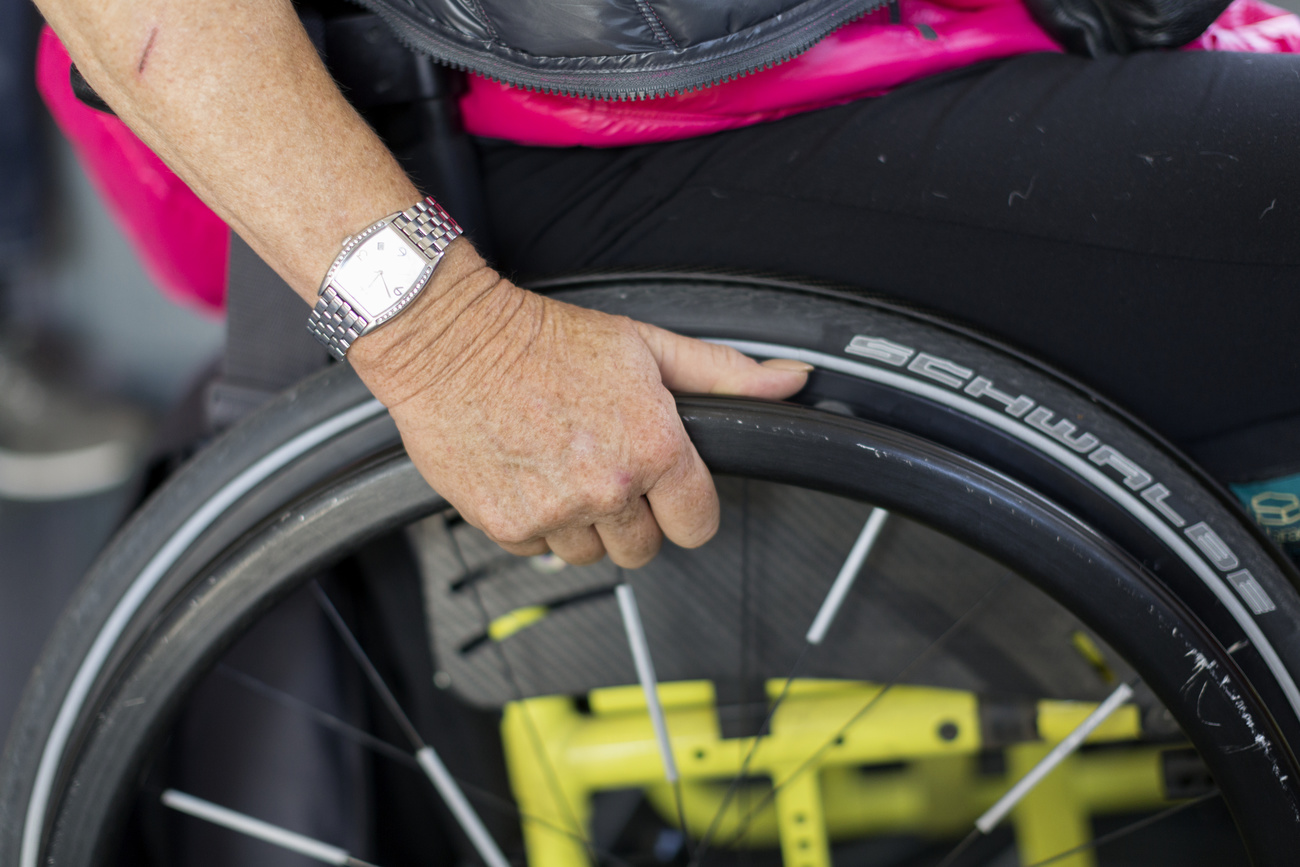
Switzerland’s parliament is hosting the first session of people with disabilities today. At the end of the debate, a resolution was adopted to strengthen political representation and inclusion of disabled people in the country.
The session got underway with only 44 out of 200 parliamentary seats occupied, to symbolise the 22% of the Swiss population with disabilities – a total of 1,8 million people. The session was called by Martin Candinas, President of the House of Representatives.
“We expect to be taken seriously, which I have the impression is not the case today,” Verena Kuonen, Co-President of Inclusion Handicap organisation for people with disabilities, told Swiss public broadcaster RTS.
“We should do away with obstacles to wheelchair access, documentation for the blind and sign language interpretation for deaf people.”
Pro Infirmis, a Swiss association that campaigns for disabled people’s rights, organised the event after an online vote that attracted 20,000 votes. The group aims to promote the integration of people with disabilities into politics, raise awareness on all types of disabilities and make buildings more accessible.
More
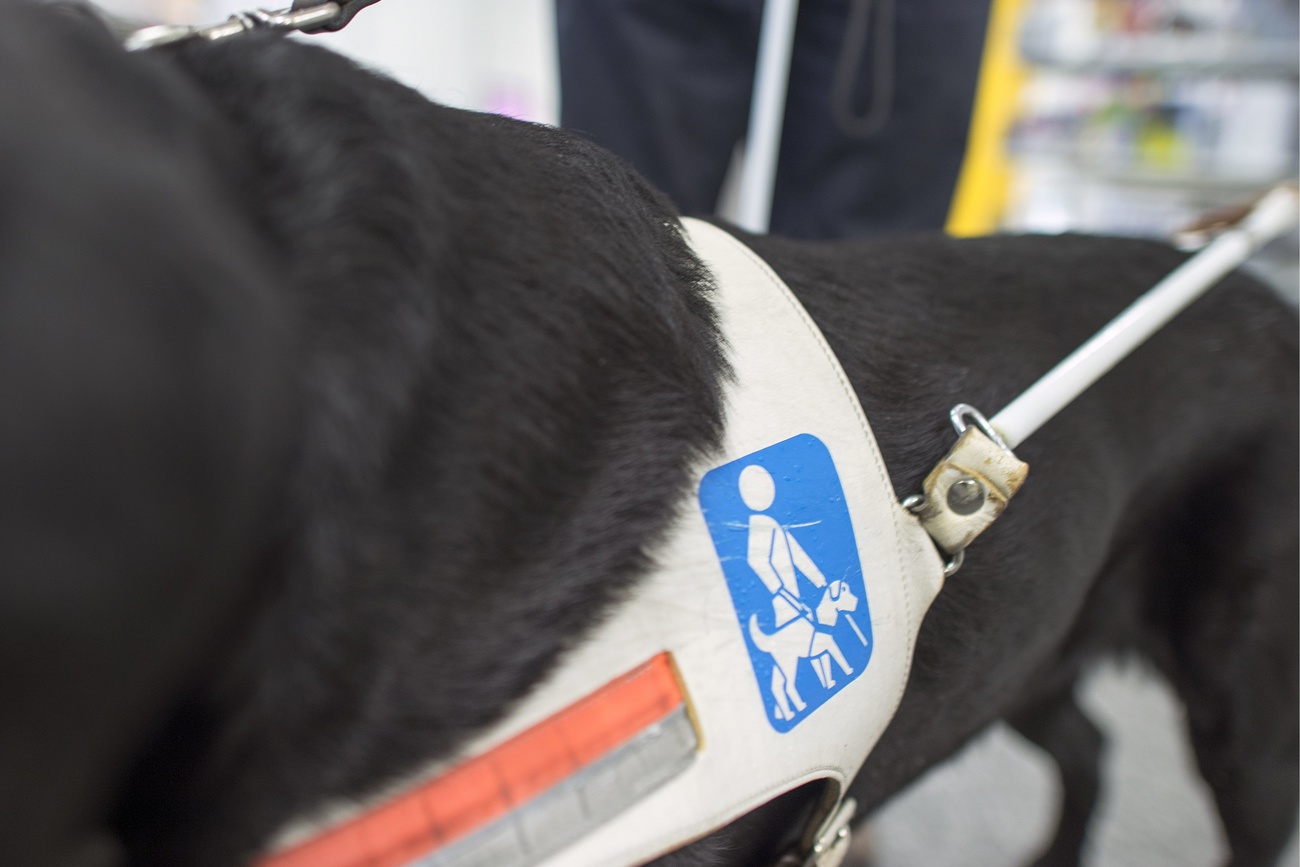
Courses should be ‘more accessible’ for visually impaired people
The special session comes after years of campaigning for a greater inclusion of people with disabilities. Some organisations claim that Switzerland has not done enough to meet the 2006 United Nations Convention on the Rights of Persons with Disabilities.
The Swiss government had previously admitted that disabled people still face discrimination in everyday life, the workplace, public services and politics and called for a review of the Disability Equality Act to eliminate obstacles to disabled people participating in society.

More
‘I want more people with disabilities represented in politics’

In compliance with the JTI standards
More: SWI swissinfo.ch certified by the Journalism Trust Initiative

You can find an overview of ongoing debates with our journalists here . Please join us!
If you want to start a conversation about a topic raised in this article or want to report factual errors, email us at english@swissinfo.ch.