








Films on Iran and Sudan big winners at Geneva human rights film fest

The 24th edition of the International Film Festival and Forum on Human Rights (FIFDH) in Geneva honoured films on Iran and Sudan. A Fox Under a Pink Moon won the Grand Prize for documentaries and Cotton Queen took home the Grand Prize for feature film-making.
Select your language
Generated with artificial intelligence.
Listening:
Films on Iran and Sudan big winners at Geneva human rights film fest
+ Get the most important news from Switzerland in your inbox
“This prize list reflects the wealth of voices that the FIFDH brings to the fore,” said the editorial co-directors Laura Longobardi and Laila Alonso Huarte on Saturday. “These films reveal realities that are often little known.”
On the documentary side, A Fox Under a Pink Moon shows 16-year-old Afghan Soraya Akhlaghi’s attempts to escape from Iran over a period of five years. Produced by the artist herself together with Iranian filmmaker Mehrdad Oskouei, it denounces the violence of patriarchy.
+ How distance learning keeps Afghan girls’ education hopes alive
As winner of the Grand Prize, the producers went home with CHF 10,000 ($12,500) donated by the City and Canton of Geneva. Another film, Letters from Wolf Street by Arjun Talwar, won the Viera de Mello prize and CHF5,000. This Polish-German documentary tells the story of the ordinary racism faced by migrants in Poland.
In the feature film category, the Grand Prize, endowed with CHF10,000 from the Barbour Foundation, was given to Cotton Queen by Suzannah Mirghani. The viewer is confronted with the power struggles and stories of women against colonisation in a cotton-growing region of Sudan.
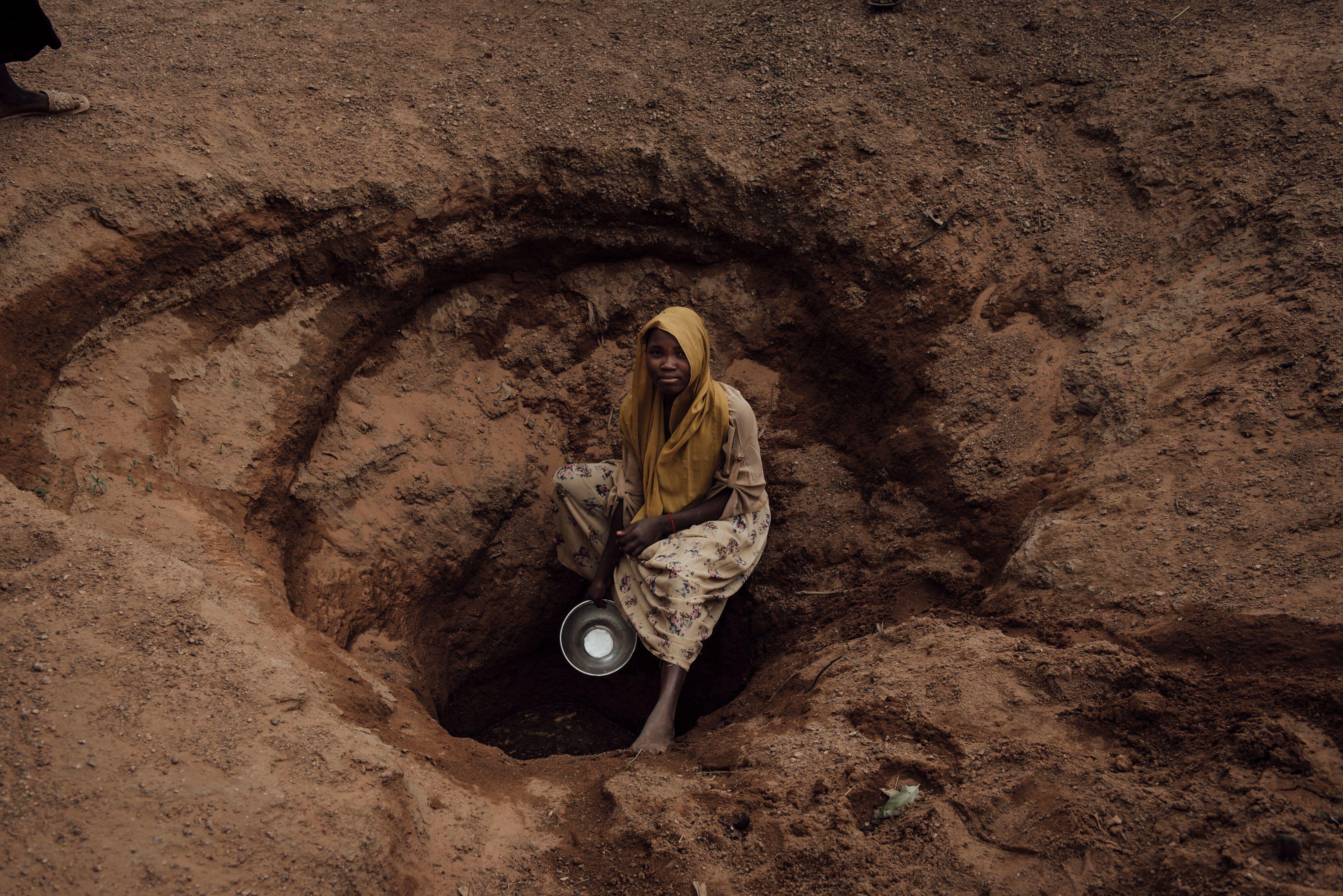
More
Impunity is stalling all peace efforts in Sudan. Can it end?
The CHF5,000 Vision for Human Rights prize went to Yurlu/Country by Yaara Bou Melhem. This uncompromising film focuses on the impact of colonial abuses on labour, land and heritage.
The FIFDH ends on Sunday. More than 200 guests from the artistic, scientific, political and activist worlds mingled with nearly 33,000 spectators over the course of the festival.
Translated from French with AI/gw
We select the most relevant news for an international audience and use automatic translation tools to translate them into English. A journalist then reviews the translation for clarity and accuracy before publication.
Providing you with automatically translated news gives us the time to write more in-depth articles. The news stories we select have been written and carefully fact-checked by an external editorial team from news agencies such as Bloomberg or Keystone.
If you have any questions about how we work, write to us at english@swissinfo.ch.
External Content

In compliance with the JTI standards
More: SWI swissinfo.ch certified by the Journalism Trust Initiative

You can find an overview of ongoing debates with our journalists here . Please join us!
If you want to start a conversation about a topic raised in this article or want to report factual errors, email us at english@swissinfo.ch.