








Landmine campaigners warn of regression
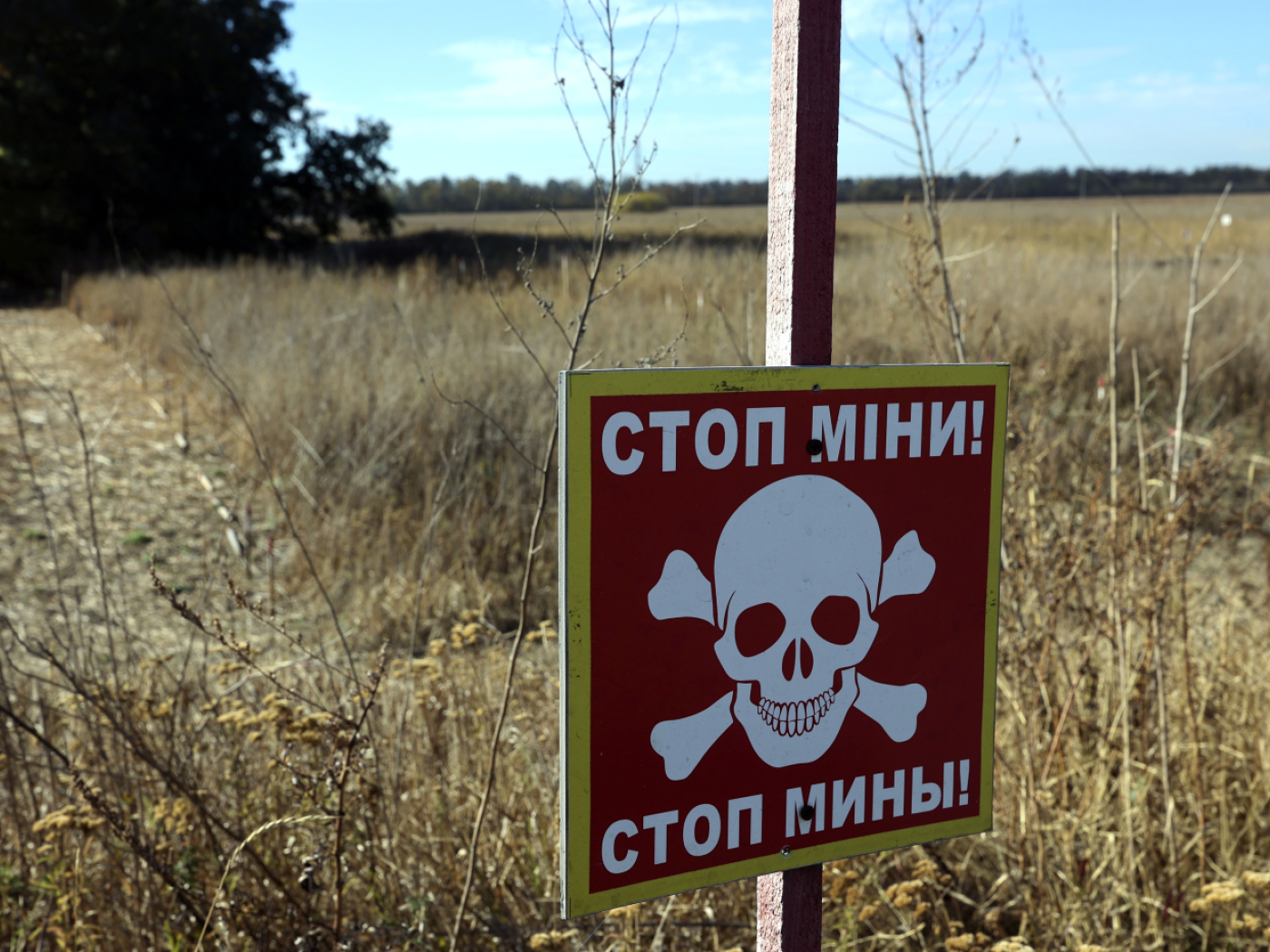
Last year, 6,279 people worldwide were injured or killed by anti-personnel mines and ammunition remnants, says the Geneva-based International Campaign to Ban Landmines – Cluster Munition Coalition (ICBL-CMC).
Select your language
Generated with artificial intelligence.
Listening:
Landmine campaigners warn of regression
+Get the most important news from Switzerland in your inbox
The number of victims has risen to its highest level since 2020, according to the annual report by the organisation, which is made up of NGOs from around the world.
The report was presented in Geneva, where the parties to the Ottawa Convention against anti-personnel mines are meeting this week. The current wave of withdrawals from this international treaty poses a threat, warned the ICBL-CMC.
Poland, Estonia, Latvia, Lithuania and Finland officially initiated their withdrawal last summer. These states border Russia. They justified their move with Moscow’s military aggression and the resulting threat. Ukraine has also declared its withdrawal from the Ottawa Convention, but belligerent countries are not permitted to do so under the agreement.
+ Why five European countries want to allow anti-personnel mines again
ICBL-CMC Director Tamar Gabelnick called on other states to prevent further withdrawals and to ensure that landmines are no longer produced, procured and used. “Withdrawal is not an option. We have already achieved too much and the human cost is simply too high,” she said about the fight against these weapons.
Military powers and conflict states left out of the mine ban
A total of 166 countries have joined the landmine ban so far, including Germany. Around 30 countries, including the US, Russia, China, India, Pakistan and Israel, have not joined.
More
‘Ukraine can be a tipping point’ for ridding the world of landmines
Landmines are laid to stop the advance of enemy forces. They explode on contact. Last year, around 90% of victims were civilians, many of them children.
Of the 6,279 victims last year, almost half were killed or injured in Myanmar and Syria. These two countries have not yet signed the landmine ban.
Translated from German by DeepL/ts
We select the most relevant news for an international audience and use automatic translation tools to translate them into English. A journalist then reviews the translation for clarity and accuracy before publication.
Providing you with automatically translated news gives us the time to write more in-depth articles. The news stories we select have been written and carefully fact-checked by an external editorial team from news agencies such as Bloomberg or Keystone.
If you have any questions about how we work, write to us at english@swissinfo.ch
External Content

In compliance with the JTI standards
More: SWI swissinfo.ch certified by the Journalism Trust Initiative

You can find an overview of ongoing debates with our journalists here . Please join us!
If you want to start a conversation about a topic raised in this article or want to report factual errors, email us at english@swissinfo.ch.