








Swiss key interest rate expected to remain at zero percent
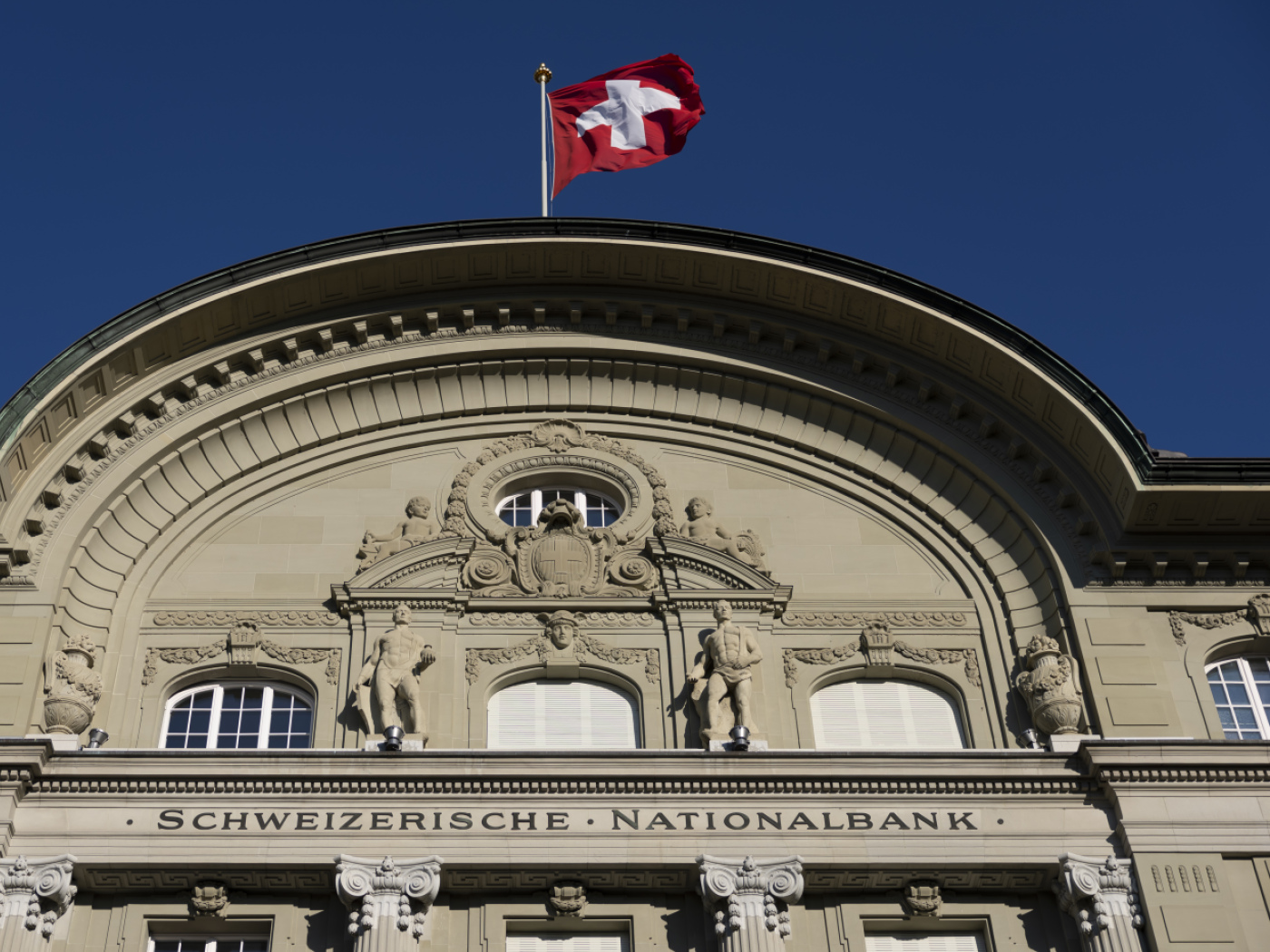
The Swiss National Bank (SNB) is likely to continue its current zero interest rate policy on Thursday. Most economists do not expect the key interest rate to change in 2026 either.
Select your language
Generated with artificial intelligence.
Listening:
Swiss key interest rate expected to remain at zero percent
In a survey conducted by the news agency AWP, there is a broad consensus among the experts surveyed: the key interest rate is likely to remain at zero percent after Thursday’s monetary policy assessment – and stay there throughout 2026. Despite the subdued economy, weak economic indicators and global uncertainties, the tenor is that zero interest rates remain the best option for the SNB at present.
+Get the most important news from Switzerland in your inbox
At the same time, the SNB leadership would be sending out an important signal with a stable key interest rate, says Claude Maurer from BAK Economics. It underlines the SNB’s focus on stability in the face of persistently high risks. “A negative key interest rate would only become a reality if inflation were to surprise to the downside again, the Swiss franc were to appreciate significantly against the EU or the European Central Bank (ECB) were to cut interest rates sharply.”
Negative interest rates still rather taboo
In fact, there is also broad consensus among economists on the topic of negative interest rates. Hardly anyone is expecting a return to negative rates at the present time.
Instead, they point out that since the last monetary policy assessment in September, Chairman of the Governing Board Martin Schlegel has repeatedly emphasised that the hurdle for a return to negative interest rates is very high.
Economic data better at second glance
According to the experts, economic expectations also suggest that the Swiss economy will recover in the coming year – and that negative interest rates are therefore not necessary. This is despite the fact that weaker-than-expected economic growth (GDP) and very low inflation once again have fuelled concerns in recent weeks that the SNB is slowly coming under pressure to act.
For Martina Honegger-Romahn, Senior Portfolio Manager at Allianz Global Investors, however, the Swiss economy only appears weak and potentially under pressure at first glance. Specifically, GDP shrank by 0.5% year-on-year in the third quarter and inflation also surprised on the low side at zero percent in November.
“However, a closer look behind the scenes shows that the Swiss economy is more resilient than the headlines suggest,” the expert adds. Most other economists have a similar view. This is because the weak GDP was largely due to the pharmaceutical sector, which suffered from the pull-forward effects on production and exports in the third quarter as a result of US tariffs policy.
Outlook brightened
According to UBS, the growth outlook has also improved somewhat after Switzerland and the US concluded their customs agreement. “While inflation has been lower than expected in recent months, the trade agreement with the US reduces the risks to growth and thus also the medium-term deflation risks.”
In addition, the SNB still has a second instrument alongside interest rates: foreign exchange market interventions. The euro/franc pair is currently trading at around the level it was at when the situation was assessed in September, but there has been a veritable rollercoaster ride in between, which at times has brought the pair to its lowest level since the minimum exchange rate was discontinued.
Looking at the monthly balance sheet data, however, the SNB has not had to intervene significantly recently, comments Reto Cueni, Chief Economist at Bank Syz. UBS also says that the latest data do not indicate any pronounced interventions.
Instead, the big bank’s experts expect the euro/franc pair to move back towards 95 centimes in the coming year, as the fiscal package in Germany and a European recovery should support the euro.
All in all, Carmignac expert Kevin Thozet believes that the SNB should opt for the least disruptive option with an unchanged policy, thus summarising the majority opinion.
Adapted from German by DeepL/ac
We select the most relevant news for an international audience and use automatic translation tools to translate them into English. A journalist then reviews the translation for clarity and accuracy before publication.
Providing you with automatically translated news gives us the time to write more in-depth articles. The news stories we select have been written and carefully fact-checked by an external editorial team from news agencies such as Bloomberg or Keystone.
If you have any questions about how we work, write to us at english@swissinfo.ch
External Content

In compliance with the JTI standards
More: SWI swissinfo.ch certified by the Journalism Trust Initiative

You can find an overview of ongoing debates with our journalists here . Please join us!
If you want to start a conversation about a topic raised in this article or want to report factual errors, email us at english@swissinfo.ch.