








Tuberculosis cases on the rise in Switzerland

Tuberculosis cases are on the rise in Switzerland, particularly due to the arrival of people from regions of the world where the disease is more prevalent, the Federal Office of Public Health (FOPH) told the Swiss news agency Keystone-ATS.
Select your language
Generated with artificial intelligence.
Listening:
Tuberculosis cases on the rise in Switzerland
+Get the most important news from Switzerland in your inbox
Since the beginning of the year, 475 cases have been reported, compared to 376 and 375 for the same period in the past two years, which represents a 26% increase for the year. It should be noted that the increase does not affect people born in Switzerland.
The FOPH had already noted an increase in tuberculosis cases in 2023. Young immigrants are particularly affected. Among the population born in Switzerland, it is mainly the elderly who are ill, the FOPH noted. Many of them contracted tuberculosis when they were young, when it was much more widespread in Switzerland.
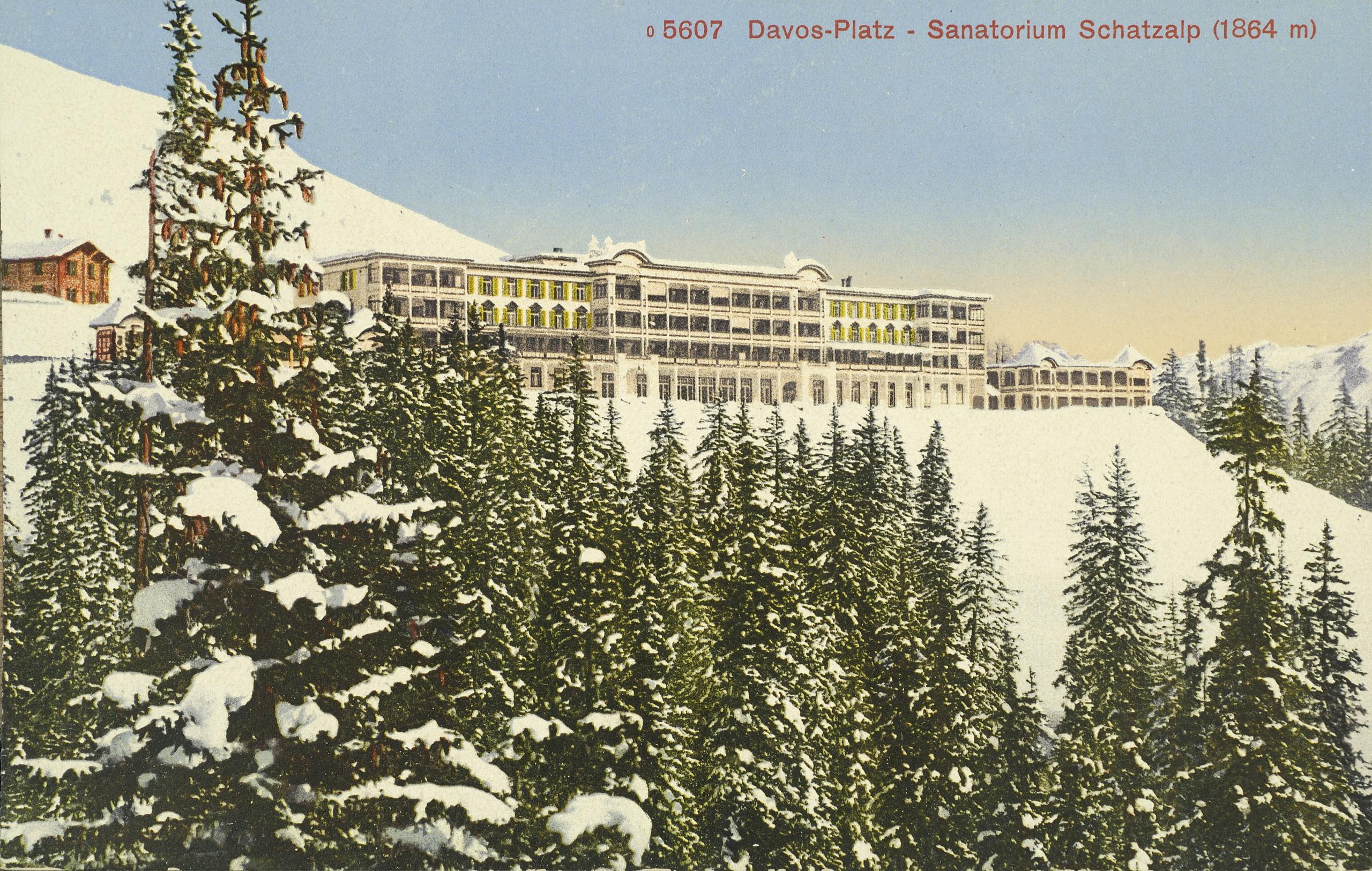
More
A breath of fresh air for an alpine village
Tuberculosis (TB) is caused by a bacterium, Mycobacterium tuberculosis. It is transmitted by air, when the sick person coughs and spreads small droplets containing the infectious agents in the air, which are then breathed in by other healthy individuals. To be infected, a person must be in the same room as the sick person for several hours.
There is a vaccine, but it is not available in Switzerland. According to the FOPH, tuberculosis can be treated very well by taking special antibiotics for several months. If left untreated, the disease often ends in death.
Adapted from Italian by AI/ts
We select the most relevant news for an international audience and use automatic translation tools to translate them into English. A journalist then reviews the translation for clarity and accuracy before publication.
Providing you with automatically translated news gives us the time to write more in-depth articles. The news stories we select have been written and carefully fact-checked by an external editorial team from news agencies such as Bloomberg or Keystone.
If you have any questions about how we work, write to us at english@swissinfo.ch
External Content

In compliance with the JTI standards
More: SWI swissinfo.ch certified by the Journalism Trust Initiative

You can find an overview of ongoing debates with our journalists here . Please join us!
If you want to start a conversation about a topic raised in this article or want to report factual errors, email us at english@swissinfo.ch.