








How wine and cheese help shape Swiss politics

Aperitifs are more central to political life in French-speaking Switzerland than in the German-speaking regions, reflecting cultural differences.
Select your language
Generated with artificial intelligence.
Listening:
How wine and cheese help shape Swiss politics
In the middle of the vineyards, with views of the Mont Blanc massif and the Chablais mountains, stands the rustic tavern of the L’Ovaille wine estate in the village of Yvorne.
Here, Vaud agricultural minister Valérie Dittli has invited guests to a special date in the canton’s political calendar: the presentation of local “vins d’honneur” and the “fromage d’excellence” [selected wines and cheeses].
In a blind tasting session, members of the cantonal government selected one white wine and one red wine originating from Vaud. These will be served at official cantonal events in 2026.

The distinction is a marketing tool for local products. “But it also shows how important food and wine are in French-speaking Switzerland,” says Dittli, who represents The Centre Party in the Vaud cantonal government, despite being originally from canton Zug. “Wine and cheese shape politics here.”
Does German-speaking Switzerland need more aperitifs?
In canton Vaud, the local government and parliament have their own “carnotzet” – vaulted wine cellars where aperitifs are traditionally held.
“After a tough meeting, it’s good to go there, have a glass together and talk about something else,” says Dittli. “That is often where political compromises begin.”
She believes that more aperitifs could also benefit politics in German-speaking Switzerland and says she sometimes recommends them to her sister Laura, a member of the Zug cantonal government.

Political scientist Sean Müller from the University of Lausanne, however, is more cautious. “In German-speaking Switzerland, people tend to be more direct and hierarchies are flatter,” he says. “My impression is that in French-speaking Switzerland, aperitifs are more necessary as a counterbalance to a more formal and regimented political culture.” This may explain why aperitifs are more frequent in western Switzerland.
Wine as a political and cultural marker
Food and wine generally occupy a more central place in public life in French-speaking Switzerland. This is reflected, for example, in live television coverage of the annual announcements of Michelin stars for local restaurants. It is also evident in Vaud’s distinctive rules on night-time alcohol sales: alcohol may not be sold between 9pm and 6am – with the exception of wine.
Wine’s special status also affects political behaviour. “It’s considered good manners to identify with wine and to drink it,” Müller observes. “And if someone drinks too much, it tends to be judged less harshly than in German-speaking Switzerland.”
More
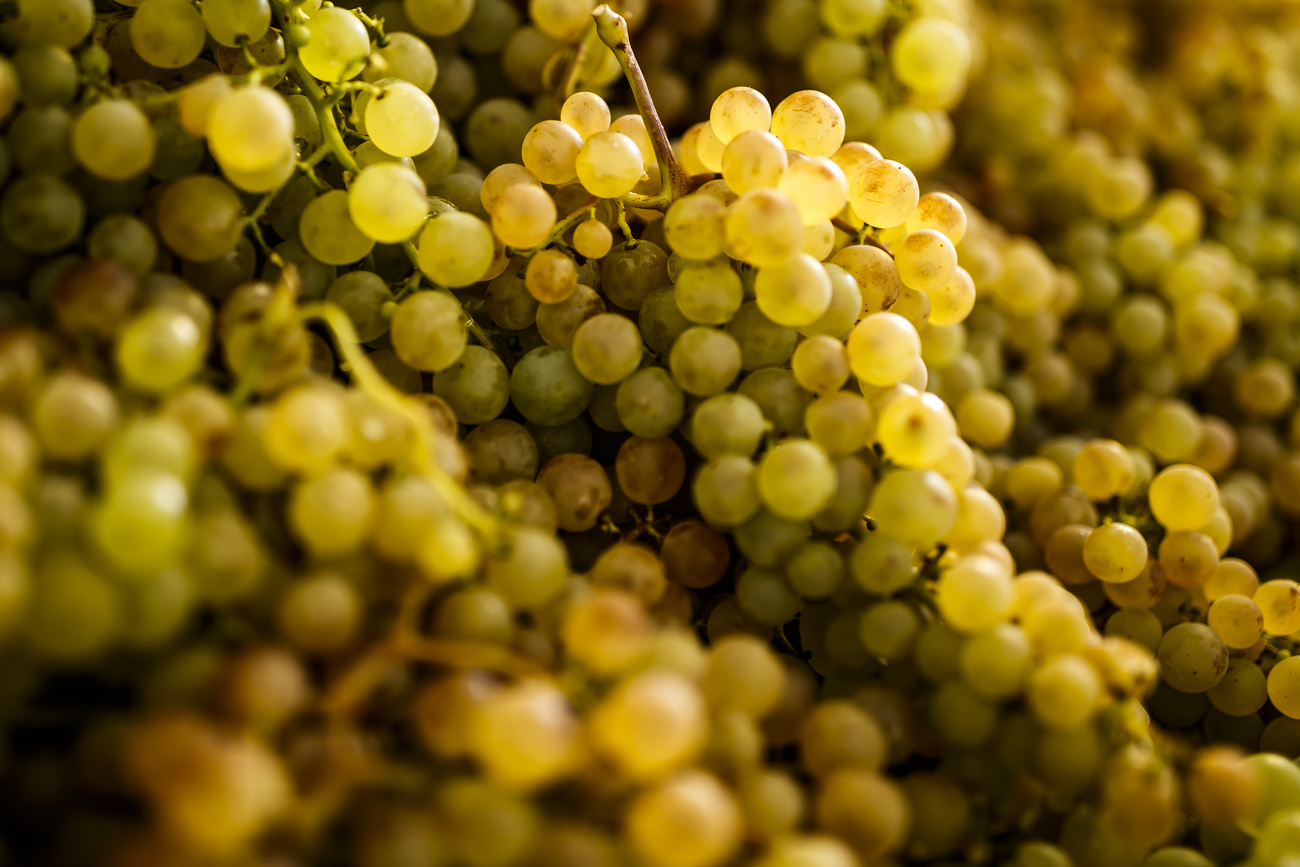
Swiss wine gets boost to fend off foreign competitors
The selection of the new official state wines – a Chasselas from Yvorne and a Gamay from Orbe – and cheese – a Gruyère – has now been completed. As tradition dictates, this is followed by an aperitif.
Dittli, holding a glass of wine, is asked whether the divided Vaud government might benefit from more of these moments to ease internal tensions. She laughs. “Yes,” she says. “We government officials should definitely go to the carnotzet more often.”
Translated from German using DeepL/amva/sb

More
Swiss Gruyère crowned world’s best cheese

In compliance with the JTI standards
More: SWI swissinfo.ch certified by the Journalism Trust Initiative

You can find an overview of ongoing debates with our journalists here . Please join us!
If you want to start a conversation about a topic raised in this article or want to report factual errors, email us at english@swissinfo.ch.