








Pandemics, electricity shortages considered biggest risks for Switzerland
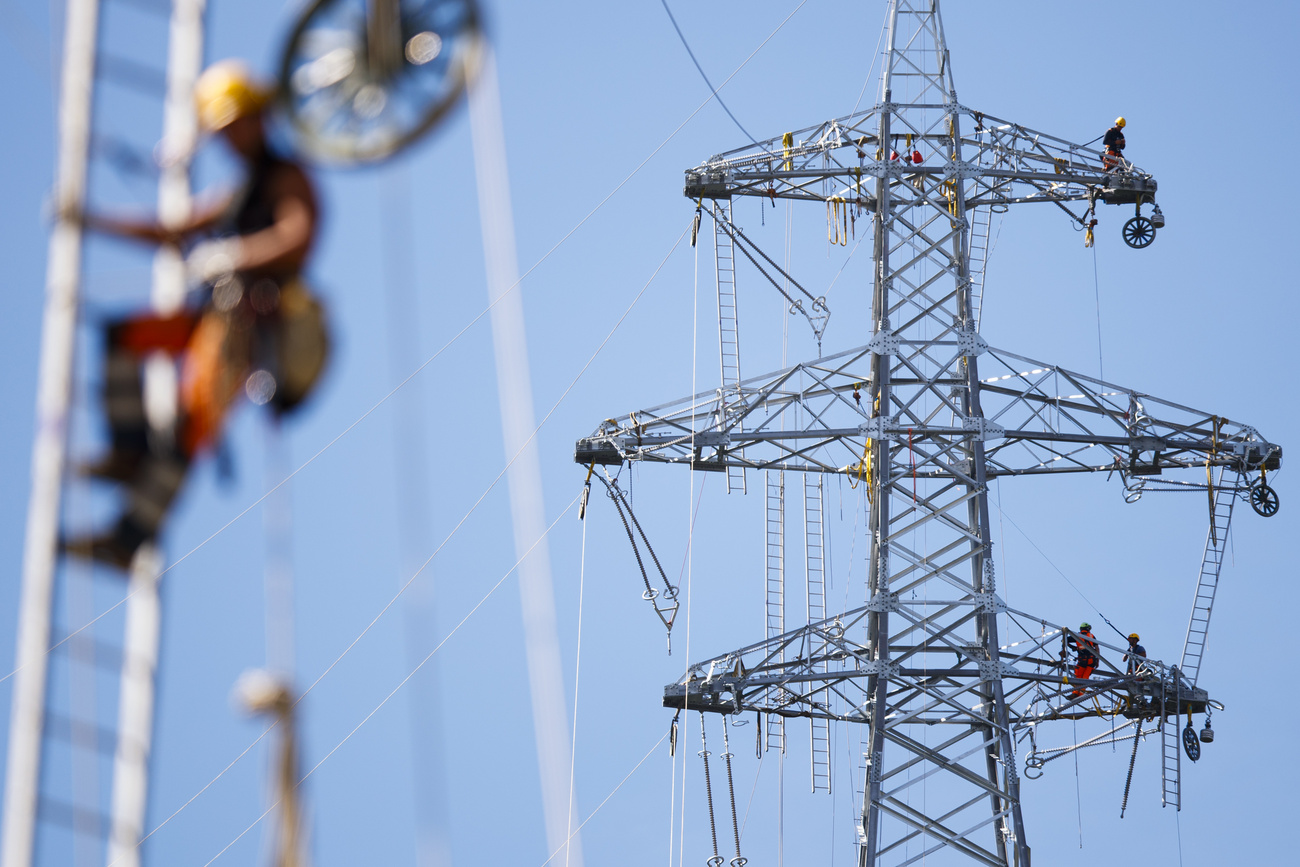
A new analysis shows that pandemics and power shortages pose the greatest risks to Switzerland. Earthquakes and heat waves are also among significant dangers, officials say.
Select your language
Generated with artificial intelligence.
Listening:
Pandemics, electricity shortages considered biggest risks for Switzerland
+ Get the most important news from Switzerland in your inbox
The Federal Office for Civil Protection published its latest national risk analysis, called Disasters and Emergencies in Switzerland 2025, on Monday.
The most significant risks for Switzerland are a pandemic and an electricity shortage. These two dangers came up top based on a combination of a very high potential for damage and a relatively high probability of occurrence.
Since the last analysis in 2020, the risk of an electricity shortage has declined thanks to measures such as new rationing plans. Nevertheless, it remains a major risk, as its probability of occurrence is still considered high.
The threat of a new pandemic, however, grew in the last six years. The civil protection office attributes this to globalisation, increased interactions between humans and animals, and climate change.
More
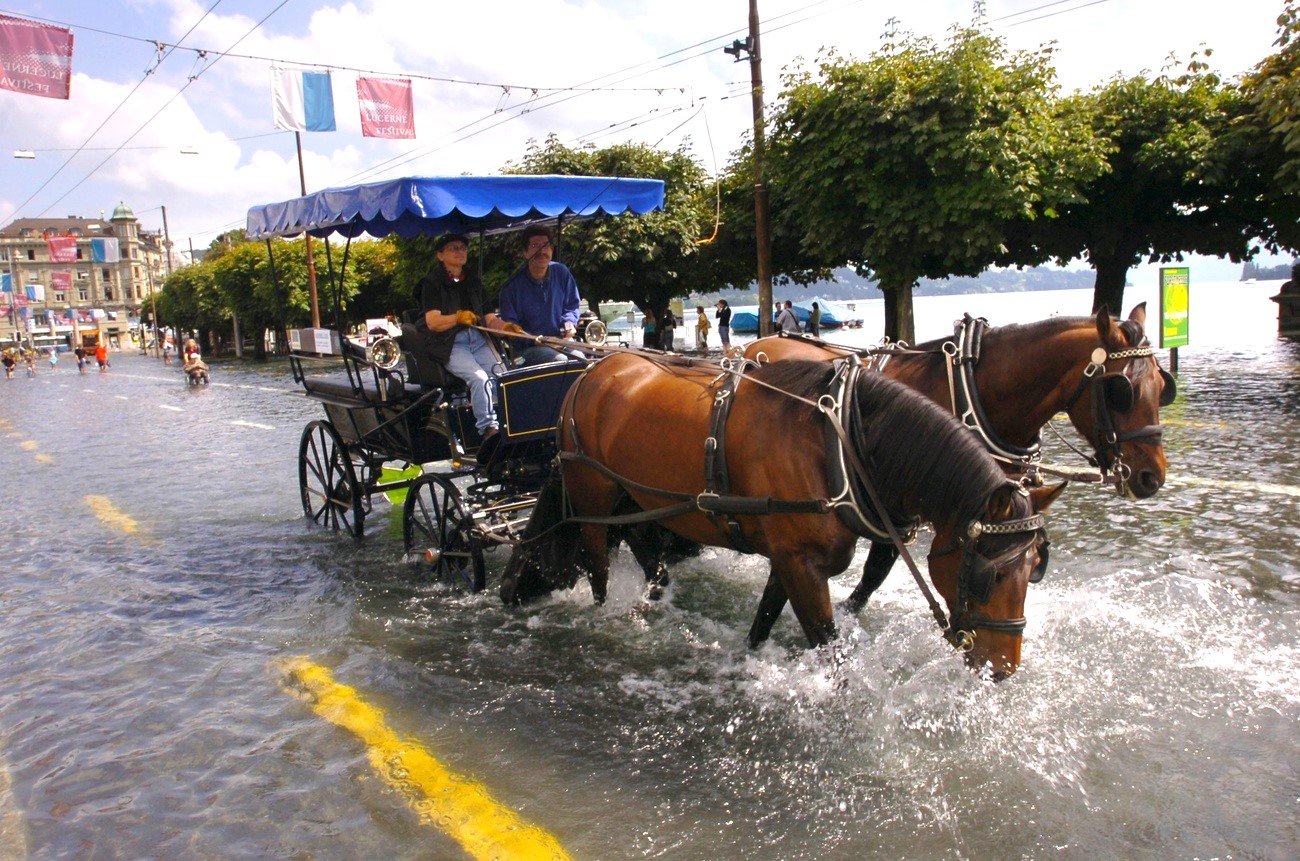
Is Switzerland’s natural disaster insurance a model for the world?
The other significant dangers identified in the report include earthquakes, a massive influx of people seeking protection, floods, storms, drought, large-scale power failure, heat waves and landslides.
Constantly evolving risks
The analysis identifies a total of 44 hazards relevant to Switzerland. According to the report, the risk landscape is constantly evolving. The following scenarios have been added to the list: landslides, heavy rainfall with surface runoff, and natural gas supply shortages.
On the other hand, three hazards no longer form part of the analysis: severe weather, computer centre failure, and attacks on dangerous goods transported by rail. According to the civil protection office, these were struck off based on new knowledge and events, on risk-reduction measures already implemented, and on technological advances.
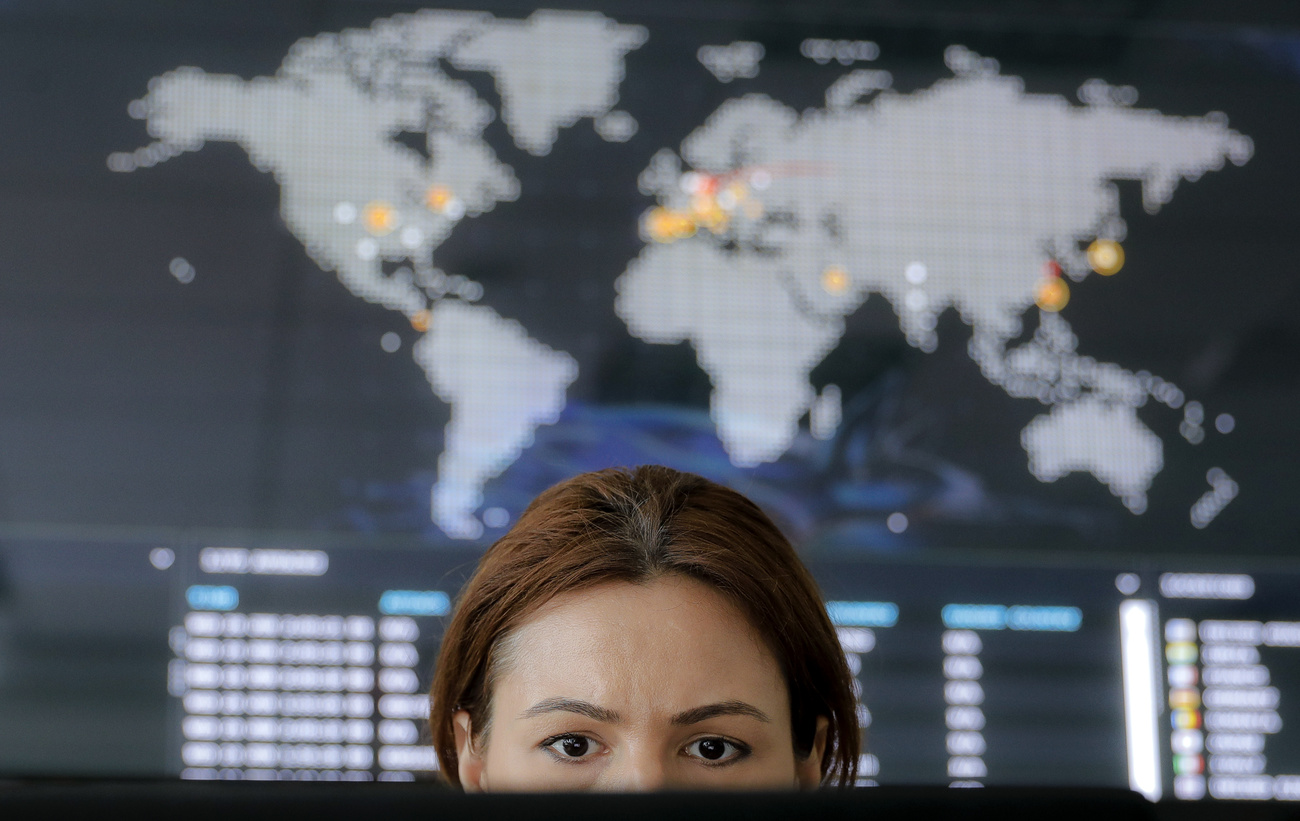
Cyber attacks are now considered a greater everyday risk. However, experts believe that a large-scale coordinated attack against several sectors would be very complex and therefore consider it only “partially plausible”. There is also currently no evidence of any concrete intention on the part of a potential perpetrator.
More
Explainer: how vulnerable is Switzerland to cyber-attacks?
Three defined risk areas
The 44 hazards are divided into three areas. Among natural hazards, earthquakes, floods and storms can cause the greatest damage. In the technical area, these include power shortages, accidents at nuclear power plants and power failures.
Among social hazards, armed conflicts and pandemics have the greatest potential for damage in terms of the number of victims and economic consequences.
Megatrends such as climate change, digitalisation and geopolitical polarisation are likely to continue to influence risks in the future, the report concludes.
The analysis is intended to serve as a basis for preventive planning by federal, cantonal, and municipal officials and operators of critical infrastructure. The fourth edition was compiled with the participation of 265 experts from the administration, the private sector and the scientific community.
Translated from French with AI/gw
We select the most relevant news for an international audience and use automatic translation tools to translate them into English. A journalist then reviews the translation for clarity and accuracy before publication.
Providing you with automatically translated news gives us the time to write more in-depth articles. The news stories we select have been written and carefully fact-checked by an external editorial team from news agencies such as Bloomberg or Keystone.
If you have any questions about how we work, write to us at english@swissinfo.ch.
External Content

In compliance with the JTI standards
More: SWI swissinfo.ch certified by the Journalism Trust Initiative

You can find an overview of ongoing debates with our journalists here . Please join us!
If you want to start a conversation about a topic raised in this article or want to report factual errors, email us at english@swissinfo.ch.