








White House hails ‘historic’ tariff deal with Switzerland
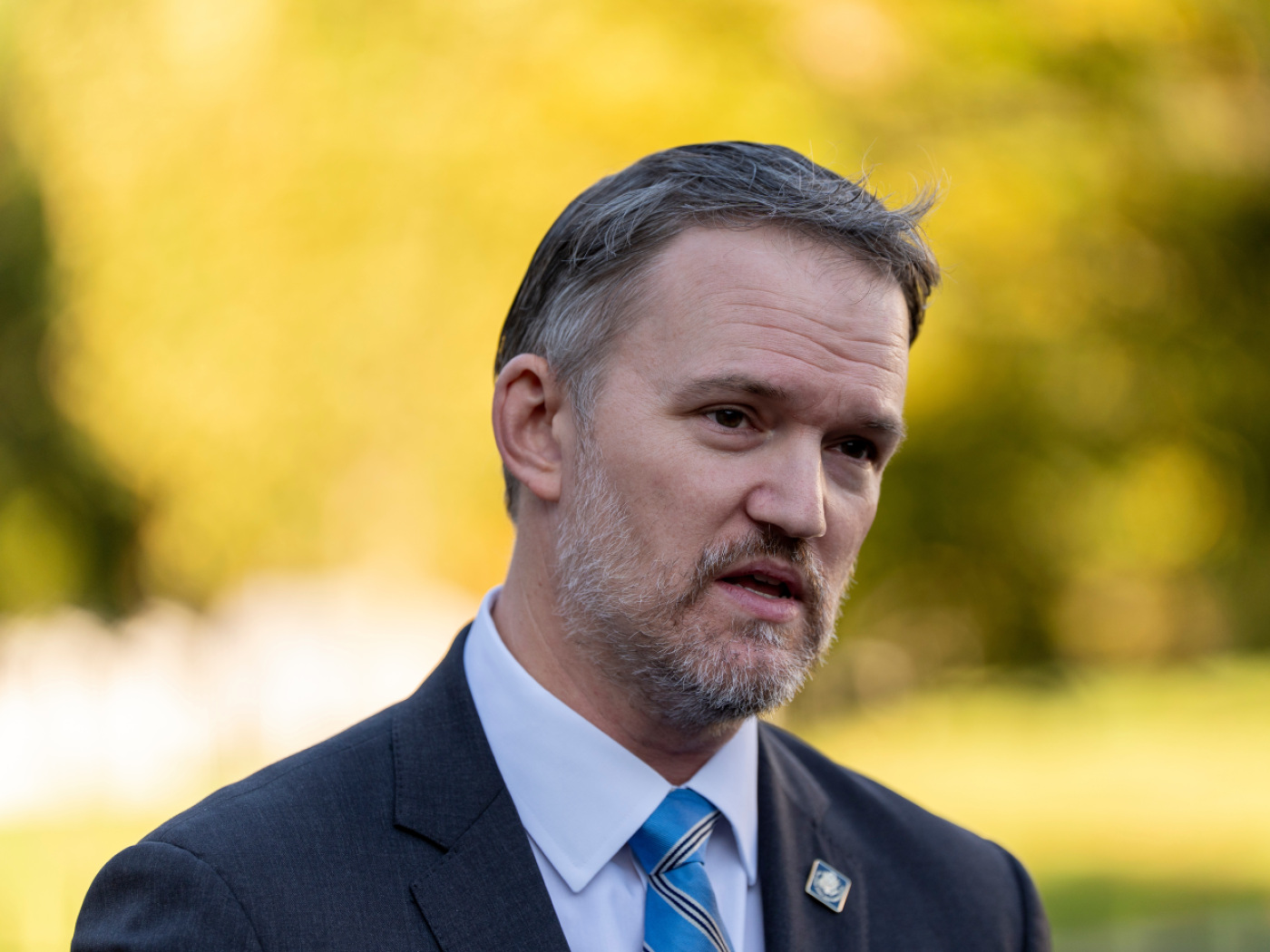
The White House has praised the framework for a 'historic trade deal' negotiated with Switzerland. The agreement announced on Friday promises a lower US import tariff rate of 15% for Switzerland - down from 39% - in return for $200 billion in investments by Swiss companies in the US.
Select your language
Generated with artificial intelligence.
Listening:
White House hails ‘historic’ tariff deal with Switzerland
+Get the most important news from Switzerland in your inbox
The agreement will will provide US exporters unprecedented access to Swiss and Liechtenstein markets and drive billions of dollars in investment on US soil, creating “thousands of jobs across America”, the White House said in a statement.
It details a long list of benefits for the US.
Jobs will be created across all 50 states in a number of sectors, such as pharmaceuticals, machinery, medical devices, aerospace, construction, advanced manufacturing, gold manufacturing, and energy infrastructure, the White House said.
More
Switzerland secures US tariff rate cut to 15%
“This trade deal will lock in the largest expansion ever of US exporter access to Swiss markets, creating new opportunities for US manufacturers, farmers, ranchers, fishermen, and other producers,” it adds.
Under Trump’s leadership, billions of dollars of investment by major Swiss companies such as Roche, Novartis, ABB, and Stadler have already been announced in connection with the framework, with more on the way, it said. At least $67 billion worth of investment will occur in 2026.
It went on: “Swiss and Liechtenstein enterprises have committed to investing in American workers through the use of Registered Apprenticeships and other training programmes in key high-growth sectors.”
Whisky, medical, digital
Switzerland and Liechtenstein intend to remove a range of tariffs across agriculture and industrial sectors, including various fresh and dried nuts, fish and seafood, certain fruits, chemicals, and spirits such as whisky and rum. In addition, Switzerland will establish tariff rate quotas for American poultry, beef, and bison.

More
Swiss farmers downplay impact of US tariff deal
At the same time, it is committed to reducing a number of non-tariff barriers that have long prevented the entry of American products, notably in the medical sector, agriculture and intellectual property.
Particular attention will be paid to the protection of intellectual property, the fight against forced labour and the environment, the White House adds. “The United States, Switzerland, and Liechtenstein have committed to a robust set of digital trade principles, including refraining from harmful digital services taxes.”
Switzerland and Liechtenstein will work to address forced labour in their supply chains and increasing cooperation on labor-related trade issues, the press release states.
“Additionally, the Framework bolsters our shared national and economic security by expanding cooperation on export controls, sanctions, and investment screening,” it says.

More
US tariff rate cut: Swiss press are upbeat but warn of high cost
Early 2026
The agreement must be finalised quickly, according to the US, with ratification scheduled for early 2026. This will make it possible to achieve a reduction in the US trade deficit with Switzerland, which stood at $38.5 billion in 2024, with the goal of eliminating it by 2028.
Donald Trump sees the agreement as “a concrete way to strengthen economic relations with Switzerland, ensuring both the country’s national security and its economic prosperity”.
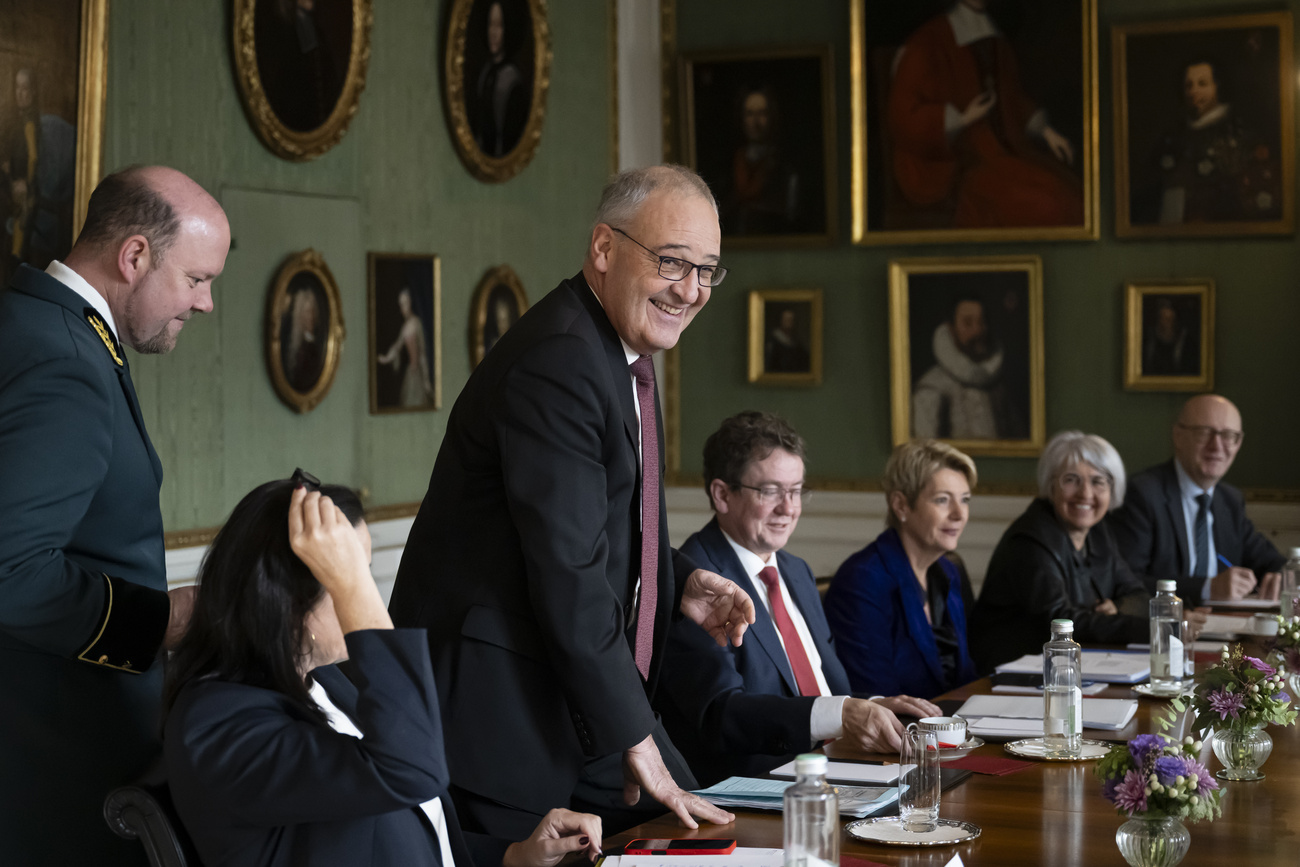
On Friday, Swiss Economics Minister Guy Parmelin welcomed “the significant improvements” resulting from the negotiated framework agreement.
“Switzerland has not made any concessions that would limit its ability to act or its neutrality,” Parmelin declared, adding that the country remains “autonomous”.
The concessions announced by Parmelin include improved recognition of US standards in Switzerland, particularly in the automotive sector, and the lowering of Switzerland’s own customs duties on a range of US products. The discussions were conducted on a win-win basis, according to Bern.

More
Lessons from the US-Swiss tariff dispute: when the ends justify the means
Translated from German by DeepL/sb
We select the most relevant news for an international audience and use automatic translation tools to translate them into English. A journalist then reviews the translation for clarity and accuracy before publication.
Providing you with automatically translated news gives us the time to write more in-depth articles. The news stories we select have been written and carefully fact-checked by an external editorial team from news agencies such as Bloomberg or Keystone.
If you have any questions about how we work, write to us at english@swissinfo.ch
External Content

In compliance with the JTI standards
More: SWI swissinfo.ch certified by the Journalism Trust Initiative

You can find an overview of ongoing debates with our journalists here . Please join us!
If you want to start a conversation about a topic raised in this article or want to report factual errors, email us at english@swissinfo.ch.