








How the Swiss franc became one of the world’s most trusted currencies
From the monetary chaos of the 19th century to its status today as a global safe haven, this is the story of how the Swiss franc emerged and why it inspires such confidence.


In the early 1800s, Switzerland’s monetary system was in disorder. There was no single currency: hundreds of different coins circulated simultaneously, including cantonal, municipal, ecclesiastical and foreign ones. People paid with whatever they had on hand, and calculating prices often became a mathematical puzzle.
Back then, the cantons functioned as quasi-sovereign states, each with its own currency, customs system and even its own time zone, which made trade between regions a logistical challenge under constantly changing rules.
A currency system in disarray
As Swiss economist Ernst Baltensperger notes, the problem was not just the number of currencies but their quality. Some coins contained the promised amount of gold or silver; others did not. Merchants could never be sure how “genuine” the money they received really was.
The first attempt to bring order came under Napoleon Bonaparte. In 1798, after the Helvetic Republic was created, he introduced a single currency, the franc, modelled on the French system. The name comes from the title of the French king, Francorum Rex, shortened to “Franc” on coins and later adopted as the currency’s name.
But the French franc’s presence in Switzerland was short-lived. Just five years later, after the Helvetic Republic collapsed, the cantons regained the right to mint their own money.
The birth of the Swiss franc
The turning point came in 1848, when Switzerland became a modern federal state. Political unity required economic unity, and the country needed a single national currency.
The choice was between the French franc and the South German gulden, and the franc was chosen. By the mid-19th century, the French franc was seen as one of Europe’s most stable and respected currencies.
More
The world’s strongest currency is also super-competitive
The Swiss franc was fixed at 4.5 grams of silver, and in 1860 the country adopted the gold standard. It remained closely linked to the French currency until the First World War.
The rise of a safe-haven currency
The interwar years changed everything. While neighbouring currencies lost value, the Swiss franc steadily gained strength.
During the Second World War, the Swiss National Bank helped stabilise the franc by buying large amounts of gold, including from Nazi Germany. The episode remains controversial, and historians still debate its implications. Records also show that in 1923, during Germany’s hyperinflation, Adolf Hitler travelled to Switzerland to collect donations in Swiss francs.
After the Bretton Woods system, which fixed exchange rates to the US dollar, collapsed in the 1970s, the franc became fully convertible and its reputation continued to grow.
Today, the Swiss franc is seen as a global symbol of reliability and as a safe-haven asset. In times of political or financial turmoil, investors turn to it. This trust is built on a combination of factors: Swiss neutrality, a resilient economy, an independent monetary policy and strong confidence in the country’s institutions.
But success also brings challenges. A strong franc makes Swiss exports more expensive, a persistent concern for the central bank.
More
Experts predict Swiss franc will stay strong in 2026
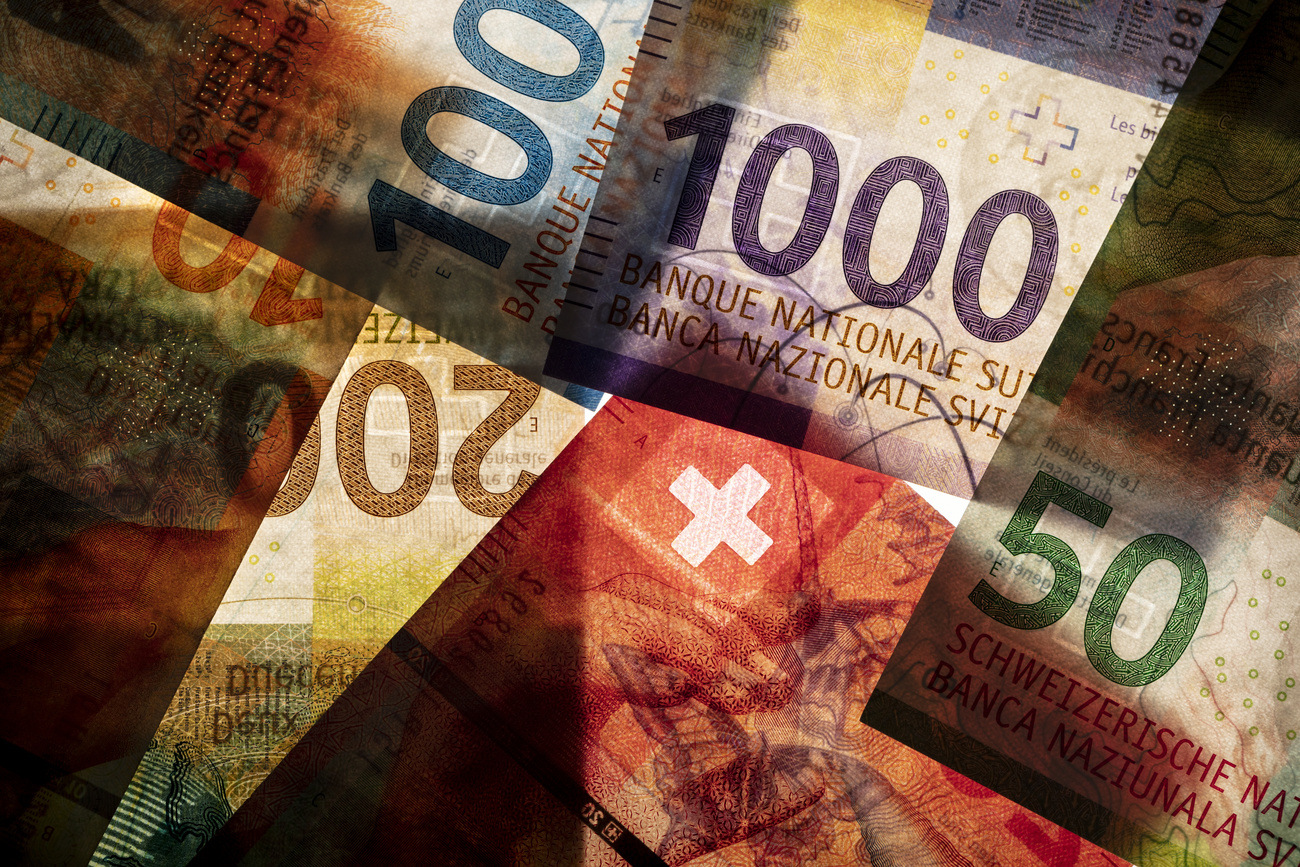
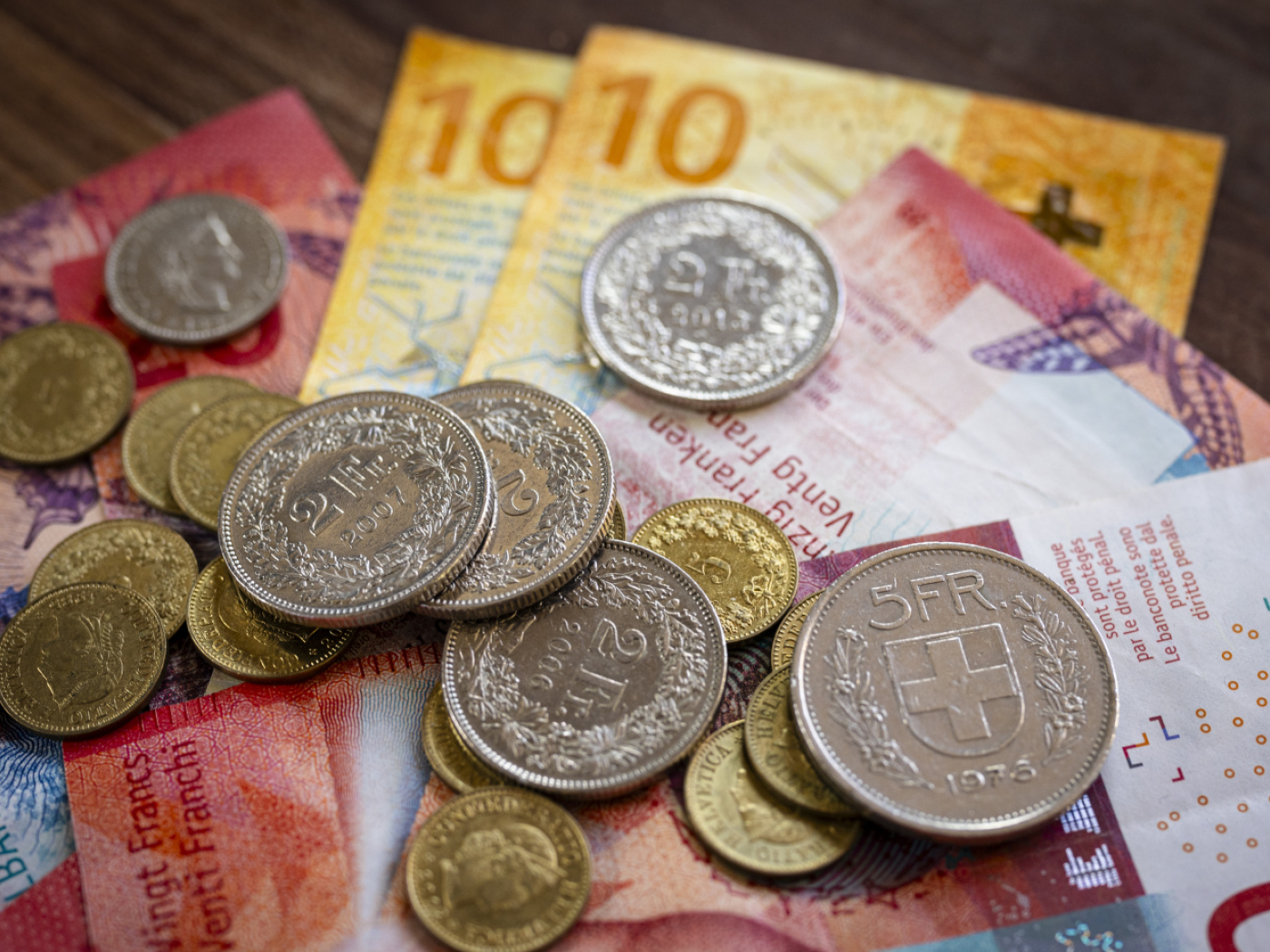
There is also the design. Swiss banknotes are widely seen as among the most beautiful in the world, and the 1,000-franc note is the highest-value banknote in general circulation anywhere. Swiss notes are also among the few whose artwork is oriented vertically rather than horizontally.
Edited by Igor Petrov. Adapted from Russian by AI/ib/ts
We use automatic translation tools, such as DeepL and Google Translate, for some content.
Each translated article is carefully reviewed by a journalist for accuracy. Using translation tools gives us the time for more in-depth articles.
We also occasionally use AI tools such as Artist AI to generate select video clips, which are marked as such within the video.
Learn more here about how we work with AI.


You can find an overview of ongoing debates with our journalists here . Please join us!
If you want to start a conversation about a topic raised in this article or want to report factual errors, email us at english@swissinfo.ch.