








Europe-wide drugs probe raises questions about Swiss residency checks
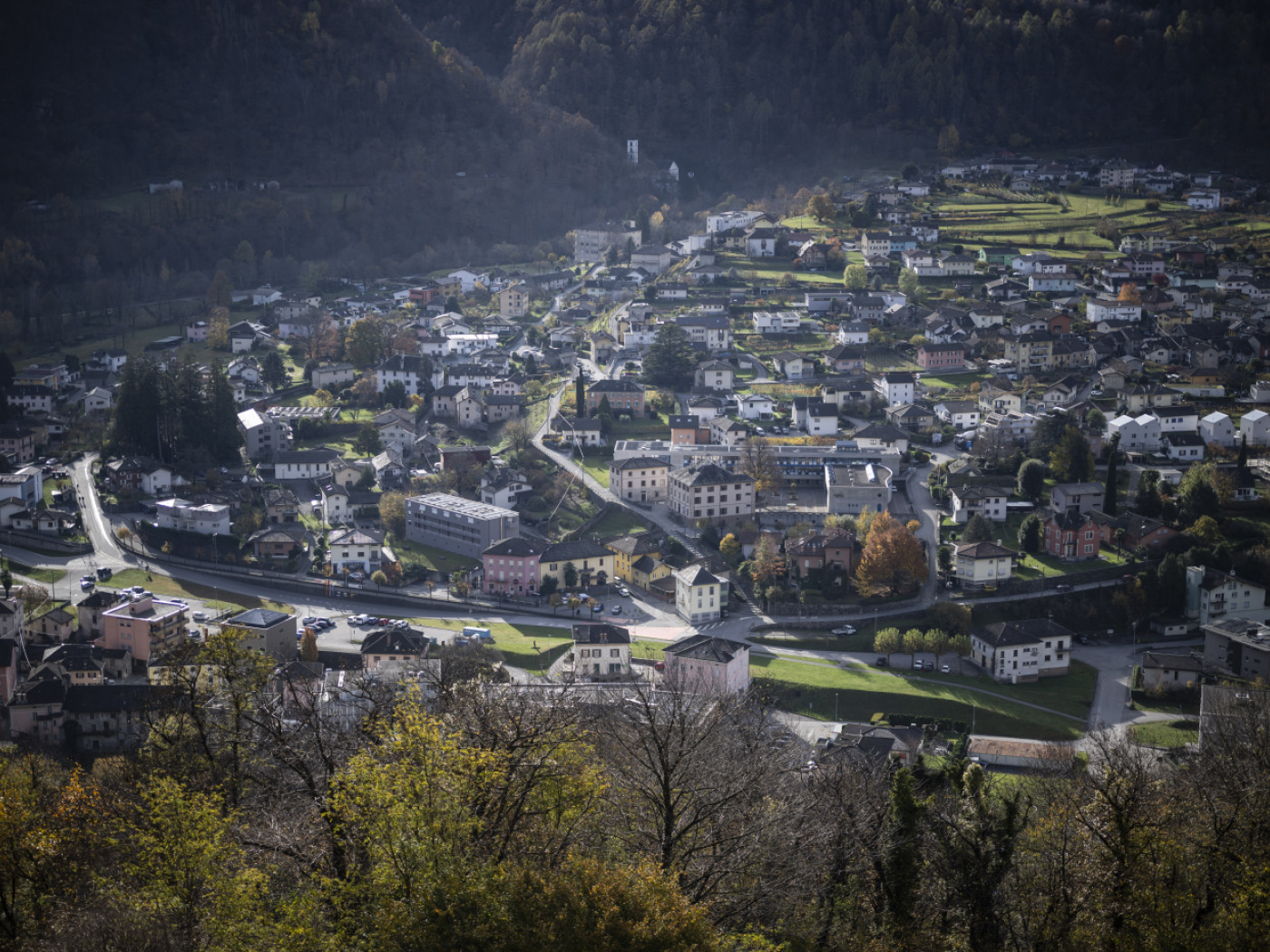
Four of the seven people arrested last week in an international anti-drugs operation were residents of Roveredo, a small Alpine municipality in southeastern Switzerland, it has been confirmed.
Select your language
Generated with artificial intelligence.
Listening:
Europe-wide drugs probe raises questions about Swiss residency checks
+ Get the most important news from Switzerland in your inbox
The police operation, conducted simultaneously in France, Italy and Switzerland, led to the arrest of seven people suspected of being part of a drug trafficking and money laundering network.
The investigation is being coordinated by the judicial authorities of Marseille and Naples with the involvement of the Office of the Attorney General of Switzerland and several European police forces.
+ Switzerland, an unsuspected hub for international cocaine trafficking
Those arrested include a 52-year-old Italian citizen and his 24-year-old son. The former was arrested in France, the latter in Italy. According to the municipal authorities, both are residents of Roveredo, as are two other people implicated in the investigation. The news was first reported by the Swiss public broadcaster RSI.
Permit granted in the Grisons
The 52-year-old had moved to canton Graubünden in 2021 and obtained a residence permit. In a statement, the Roveredo Town Hall said the case raises questions about the criteria by which residence permits are granted when someone’s criminal record has already been evaluated by another canton.

More
Suspected ‘Ndrangheta member arrested in Switzerland
“How is it possible that a person considered too risky to obtain a permit in canton Ticino is accepted in canton Graubünden?” the Roveredo municipal government said.
It asks the Graubünden government to clarify the criteria applied in this case and calls for a strengthening of coordination with other cantons, especially canton Ticino.
+ Swiss strategy to tackle organised crime
“The security of our countries is neither a negotiable variable nor a side-effect of bureaucracy,” the Roveredo authorities said.
The Migration Office’s explanations
When questioned by the Keystone-ATS news agency, the Graubünden Office for Migration and Civil Law said it was not possible to provide information about the ongoing case at the moment.
Asked why canton Graubünden had issued a residence permit, the cantonal office replied that it is not possible to systematically request criminal record extracts from European Union citizens. For applicants and their family members, the permit can only be restricted if the person’s behaviour represents “a real and serious danger” to public order.
The risk of repeat offending is also assessed as well as previous convictions.
According to case law, particularly serious conditions are required to deny a permit. Asked whether controls will be stepped up in the region in the light of this case, the Migration Office said “well-founded suspicions from reports from other cantons will naturally be taken into account”.
Adapted from Italian by AI/sb
We select the most relevant news for an international audience and use automatic translation tools to translate them into English. A journalist then reviews the translation for clarity and accuracy before publication.
Providing you with automatically translated news gives us the time to write more in-depth articles. The news stories we select have been written and carefully fact-checked by an external editorial team from news agencies such as Bloomberg or Keystone.
If you have any questions about how we work, write to us at english@swissinfo.ch.
External Content

In compliance with the JTI standards
More: SWI swissinfo.ch certified by the Journalism Trust Initiative

You can find an overview of ongoing debates with our journalists here . Please join us!
If you want to start a conversation about a topic raised in this article or want to report factual errors, email us at english@swissinfo.ch.