








Swiss court rules porn films with digitally rejuvenated actors are illegal

Pornographic images or videos showing adults digitally rejuvenated to make them appear underage are illegal. This was decided by the Swiss Federal Supreme Court (FSC), upholding the conviction of a man by the Zurich courts.
Select your language
Generated with artificial intelligence.
Listening:
Swiss court rules porn films with digitally rejuvenated actors are illegal
+Get the most important news from Switzerland in your inbox
Two years ago, the defendant received a suspended fine and a fine for the offences of pornography and depicting acts of crude violence, as well as violations of the Narcotics Act. He was accused of, among other things, sharing a video on his Instagram account with an apparently prepubescent girl. In reality, the latter was an actress rejuvenated through technology.
In a ruling published today, the court reiterated that the Criminal Code, since 2014, punishes not only real child sexual abuse material, but also “non-real” child sexual abuse material, which includes content generated exclusively virtually. However, until now the court had not ruled on whether fictitious child sexual abuse material created using rejuvenation software was punishable by law.
More
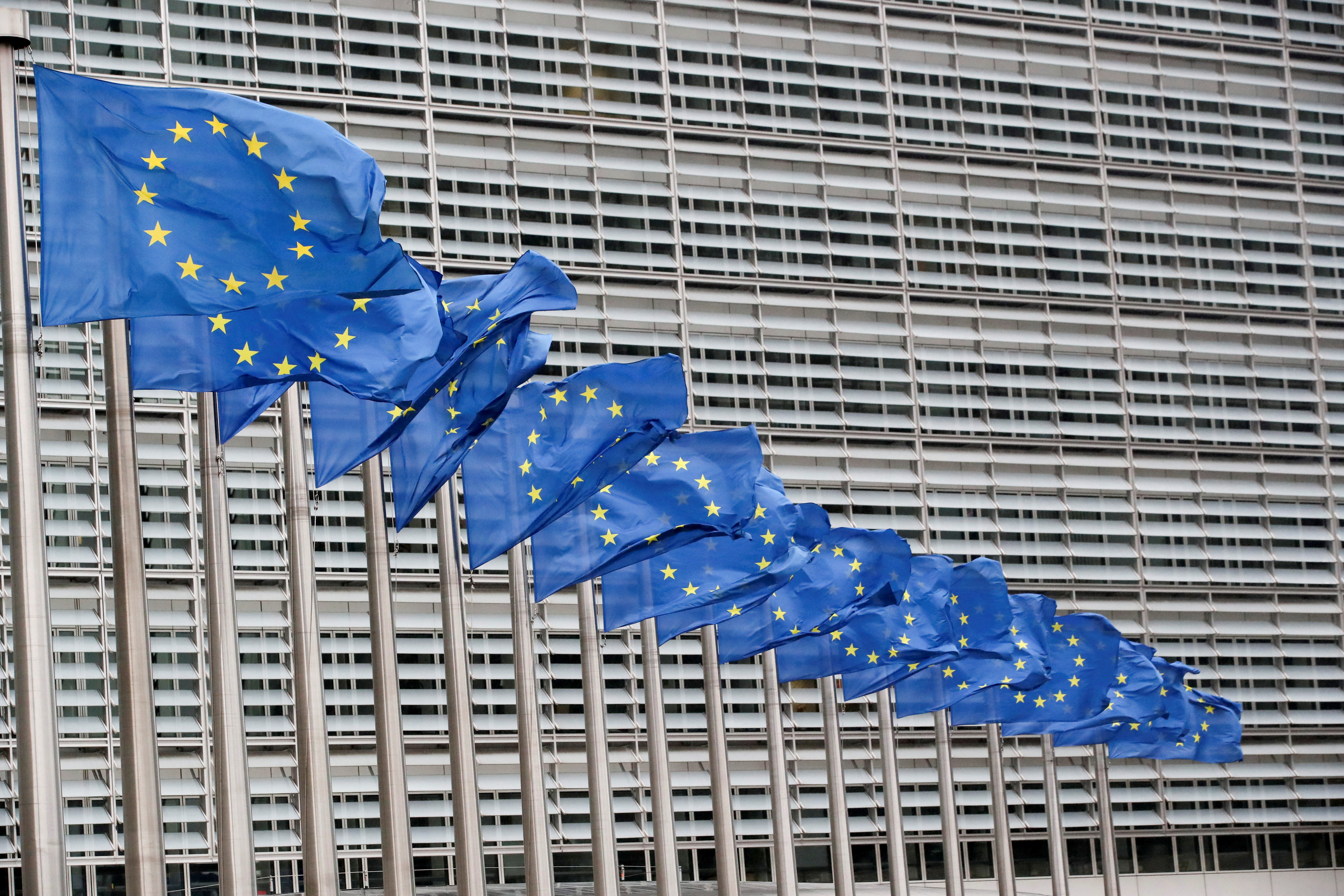
EU proposes stronger rules against child abuse and pornography
In its work prior to the 2014 revision, the legislature had expressed concern about the difficulty of determining whether a depiction was virtual or not. It had therefore concluded that prosecuting actual child sexual abuse material would be more complicated if “non-real” child sexual abuse material went unpunished.
According to the court in Lausanne, proving the age of the actors is no easier in cases like this of partially virtual pornography. This problem may even be much more complex than for cartoons featuring sexual acts with children, which are currently banned. In their ruling, they therefore conclude that the publication of red light material with adults digitally retouched to look like minors should be penalised in the same way as content generated entirely by computer.
Adapted from Italian by AI/jdp
We select the most relevant news for an international audience and use automatic translation tools to translate them into English. A journalist then reviews the translation for clarity and accuracy before publication.
Providing you with automatically translated news gives us the time to write more in-depth articles. The news stories we select have been written and carefully fact-checked by an external editorial team from news agencies such as Bloomberg or Keystone.
If you have any questions about how we work, write to us at english@swissinfo.ch
External Content

In compliance with the JTI standards
More: SWI swissinfo.ch certified by the Journalism Trust Initiative

You can find an overview of ongoing debates with our journalists here . Please join us!
If you want to start a conversation about a topic raised in this article or want to report factual errors, email us at english@swissinfo.ch.