








Women with severe burns face higher risk of blood infections, Swiss study finds
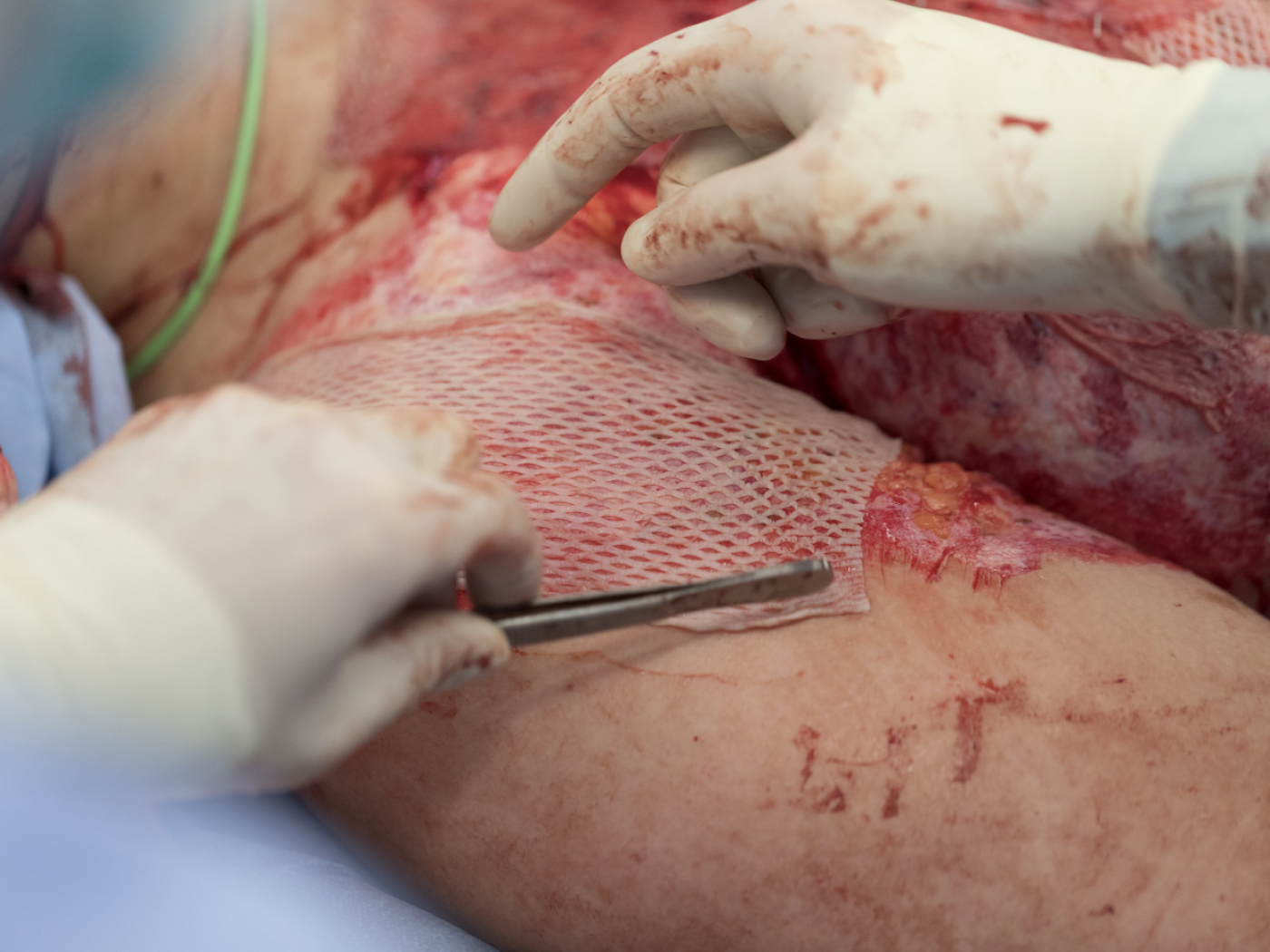
Women with severe burn injuries are almost twice as likely as men to develop serious blood infections, according to new Swiss research.
Select your language
Generated with artificial intelligence.
Listening:
Women with severe burns face higher risk of blood infections, Swiss study finds
+ Get the most important news from Switzerland in your inbox
The study, funded by the Swiss National Science Foundation (SNSF), has produced findings that have taken scientists by surprise. Researchers are now trying to understand what lies behind the stark difference.
+ Fire victims treated in Zurich with skin from Dutch donorsExternal link
When someone suffers a severe burn, bacteria can slip into the bloodstream through the damaged skin, potentially causing life‑threatening complications. According to a statement from the SNSF on Wednesday, this can lead to sepsis, a dangerous reaction that may result in multiple organ failure.
An SNSF‑funded study has examined which patients are most at risk of developing these infections. The researchers analysed data from 269 people treated at the Centre for Severe Burn Injuries at Zurich University Hospital between 2017 and 2021.
More
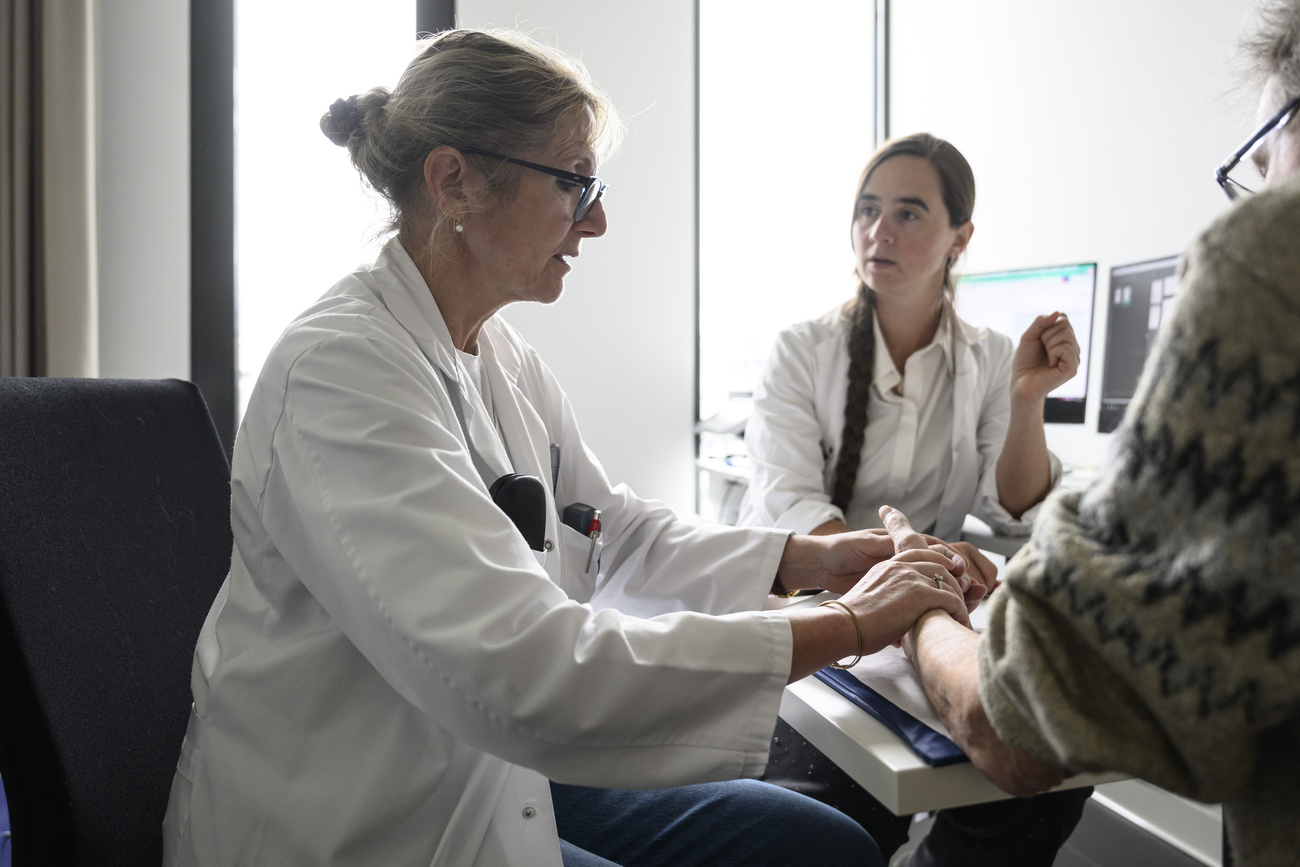
Switzerland charts new course on gender medicine despite headwinds
Surprising findings
The data showed that almost a quarter of patients had bacteria detected in their blood between five and 13 days after being admitted. Women were affected nearly twice as often as men.
Silvio Brugger, a senior consultant at Zurich University Hospital, said the finding was unexpected. In most cases, women are less likely than men to develop bloodstream infections, as the female immune system often deals more effectively with pathogens. That pattern, however, does not seem to hold in cases of severe burns. The findings were published in the latest issue of the journal Burns.
+ Science podcast: Can gender diversity create better medicine?
Causes still unclear
The researchers still don’t know why the women in the study group were more vulnerable to infection. Differences in the bacteria themselves can be ruled out: both men and women were mostly affected by the same types of microbes, which usually live harmlessly on the skin or in the mouth.
In the next phase of the research, the team will analyse the collected samples for sex hormones and examine the makeup of the microbiome on the skin and in the respiratory tract.
The researchers suspect that severe burns may disrupt hormone metabolism, weakening the body’s immune response. Under normal circumstances, female sex hormones such as oestrogen are linked to stronger immunity.
Translated from German by AI/sp
We select the most relevant news for an international audience and use automatic translation tools to translate them into English. A journalist then reviews the translation for clarity and accuracy before publication.
Providing you with automatically translated news gives us the time to write more in-depth articles. The news stories we select have been written and carefully fact-checked by an external editorial team from news agencies such as Bloomberg or Keystone.
If you have any questions about how we work, write to us at english@swissinfo.ch
External Content

In compliance with the JTI standards
More: SWI swissinfo.ch certified by the Journalism Trust Initiative

You can find an overview of ongoing debates with our journalists here . Please join us!
If you want to start a conversation about a topic raised in this article or want to report factual errors, email us at english@swissinfo.ch.