








‘Young’ shark species are at a higher risk of extinction
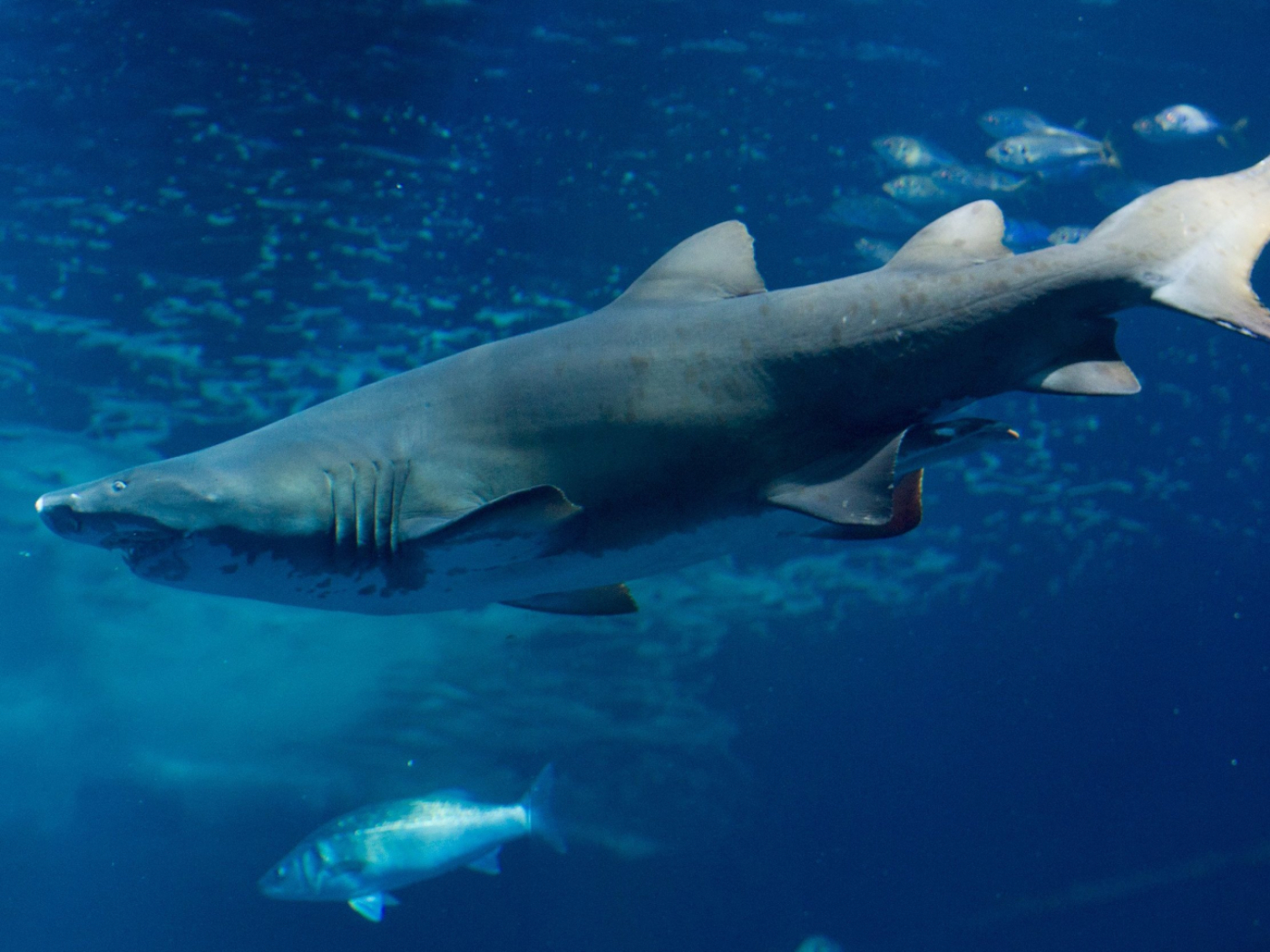
Shark species that existed for less than four million years die out more frequently than older ones. This is the result of a new study by the University of Zurich.
Select your language
Generated with artificial intelligence.
Listening:
‘Young’ shark species are at a higher risk of extinction
“Understanding the mechanisms of extinction, including the characteristics that make certain species more vulnerable than others, is crucial in a changing world,” the researchers wrote in the study published on Wednesday in the scientific journal Proceedings B.
+Get the most important news from Switzerland in your inbox
The researchers analysed 20,000 fossils of sharks and rays from the last 145 million years. They discovered a clear pattern: younger species that have only existed for a few million years are more susceptible to extinction than older species that have survived for much longer.
Mass extinction
During their investigation, the researchers also discovered evidence of previously unknown mass extinctions. While the sharp reduction in shark and ray species during the first mass extinction of the dinosaurs around 66 million years ago came as no surprise to the scientists, they discovered other, previously unknown extinction events.

More
Why is endangered shark ending up on Swiss plates?
“However, many of these events, including the one at the end of the Cretaceous, were followed by the origination of new species,” explains Catalina Pimiento, UZH professor of paleobiology. “What’s remarkable is that the more recent extinctions were not followed by the emergence of new species, including one around 30 million years ago. This one was far the most impactful, because many species went extinct but hardly any new species emerged afterward,” says Pimiento.
Important for animal welfare
According to the UZH, the data shows that not enough new species have emerged in the last 40 to 50 million years to compensate for losses from extinction events.
“Modern sharks and rays have already lost much of their evolutionary potential and have now also come under pressure from humans. Understanding their past helps us recognise how important it is to protect the species that still exist today,” says study co-author Daniele Silvestro.
In addition to UZH, ETH Zurich, the Institute of Bioinformatics in Basel and research institutions in the UK, Sweden, Chile and Germany were also involved in the study.
Adapted from German by DeepL/ac
We select the most relevant news for an international audience and use automatic translation tools to translate them into English. A journalist then reviews the translation for clarity and accuracy before publication.
Providing you with automatically translated news gives us the time to write more in-depth articles. The news stories we select have been written and carefully fact-checked by an external editorial team from news agencies such as Bloomberg or Keystone.
If you have any questions about how we work, write to us at english@swissinfo.ch.
External Content

In compliance with the JTI standards
More: SWI swissinfo.ch certified by the Journalism Trust Initiative

You can find an overview of ongoing debates with our journalists here . Please join us!
If you want to start a conversation about a topic raised in this article or want to report factual errors, email us at english@swissinfo.ch.