








Junk food on trial in the United States – could it happen in Switzerland?
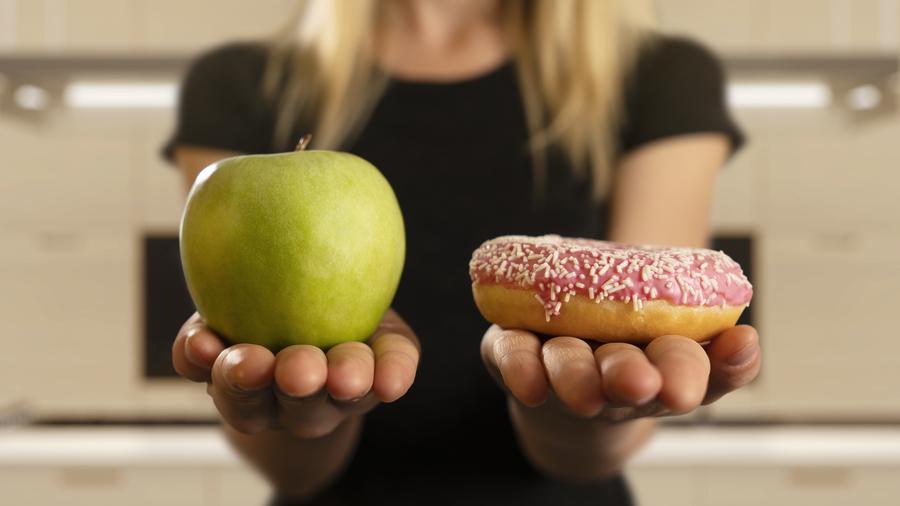
The city of San Francisco has filed a lawsuit against ten multinational food companies, accusing them of contributing to rising rates of obesity, diabetes and cancer via ultra-processed foods and misleading marketing. Could similar legal action be taken in Switzerland? Two experts assess the possibilities and the limits.
Select your language
Generated with artificial intelligence.
Listening:
Junk food on trial in the United States – could it happen in Switzerland?
San Francisco has brought legal action against ten major food corporations, including Nestlé USA and Coca-Cola. The city accuses them of causing public health damage through ultra-processed products and deceptive advertising. The case raises complex legal questions around consumer protection, transparency and responsibility for health.
One of the main challenges in such lawsuits is proving a causal link between the consumption of specific products and the development of non-communicable diseases, explains health law expert Marie-Hélène Peter-Spiess in an interview with CSR. “These illnesses almost always have multiple causes,” she says.
Limited legal avenues in Switzerland
Would a similar case be possible in Switzerland? Not on the same scale, says the health law expert. However, she says certain legal options do exist.
For example, action could be taken in cases of violations of food law, such as misleading labelling regarding ingredients, origin or allergens. These cases could fall under consumer protection or competition law. Another possible route would be to invoke human rights, such as the right to health, in cases brought against the state.
“This would involve the state’s duty to protect, as we have seen in climate-related lawsuits,” she says.
There is no precedent in Switzerland for actions, such as the one filed in San Francisco, targeting the food industry for selling and promoting ultra-processed and unhealthy products. There are, however, precedents involving food producers for deceptive practices or food safety issues, health law expert Marie-Hélène Peter-Spiess points out. In June, the Office of the Attorney General of canton Vaud condemned Nestlé WatersExternal link for using carbon filters in its Henniez water production plants and misleading consumers by continuing to market the water as ‘natural mineral’.
Another example is that of the NGO Public Eye and the International Baby Food Action Network, which have filed a claim with the State Secretariat for Economic Affairs (SECO) for unfair practices against Nestlé. This is for the addition of sugar in foodsExternal link for babies and young children in some countries.
Switzerland does not allow class actions. A recent attempt to introduce them through an amendment to the Code of Civil Procedure was rejected by parliament during the autumn session. In some cases, however, legal action can still be brought by public authorities, organisations or associations.
Voluntary measures rather than binding rules
When it comes to health protection, Switzerland currently imposes few specific legal obligations on food companies to reduce the risks of obesity, diabetes or other non-communicable diseases. This contrasts with the stricter regulation of products such as tobacco and alcohol.
Relevant and up to date: the SWIplus app brings you the most important information and news from Switzerland. Download it now!
“Switzerland has opted for a largely non-binding approach,” says Peter-Spiess. Authorities favour self-regulation and voluntary commitments by the industry. One example is the Milan DeclarationExternal link, an agreement between the federal government and food companies to reduce sugar content in certain products.
While there are few legal obligations, the question of corporate responsibility remains. “Food companies have, above all, a moral responsibility towards consumers,” the health law expert says. She argues that embracing this responsibility can also benefit companies by strengthening their credibility in terms of public health, transparency and consumer protection.
What is your opinion? Join the debate:
External Content
Growing pressure for regulation
Debates around healthy eating have intensified in recent years, driven in part by concerns over rising healthcare costs. “In this context, pressure for stricter regulation in Switzerland is likely to increase,” Peter-Spiess says. However, she notes that many attempts at the federal level have so far failed.
Some developments are under discussion. These include possible restrictions on the marketing of unhealthy foods to children. At cantonal level, individual initiatives are emerging. In canton Vaud, for example, a postulate proposes examining the introduction of a tax on added sugars, with the revenue earmarked for health promotion and the prevention of non-communicable diseases through sport.
In the San Francisco case, the Consumer Brands Association, which represents several of the companies being sued, has defended the industry. It argues that there is no clear scientific definition of ultra-processed foods and that manufacturers are making efforts to offer healthier products.
Pressure is also coming from within companies. In 2024, some Nestlé shareholders submitted a resolution calling for a higher proportion of healthy products in the company’s portfolio. The proposal was rejected at Nestlé’s annual general meeting.
Human beings are naturally attracted to junk food. Biological and psychological mechanisms come into play, explains professor Thomas Brunner, an expert in consumer behaviour.
Why is it so difficult to resist junk food?
T.B.: In the course of evolution, humans have specialised in seeking out high-calorie foods in order to survive. These preferences are exploited in the production of junk food and these products, rich in sugar, fat and salt, activate reward pathways in the brain and dopamine is released. This creates a feeling of pleasure and reinforces the behaviour, similar to addictive substances. Furthermore, we often associate junk food with positive experiences, such as parties or situations where we seek comfort, creating strong habits. And the wide availability of junk food means that we encounter it frequently and it is easy to buy it.
How much and how does marketing influence this?
T.B.: Repeated advertising increases familiarity and perceived attractiveness. Studies show that children and adults exposed to food advertising consume significantly more calories immediately afterwards. Furthermore, these foods are often presented as part of a fun, social and desirable lifestyle and just as often associated with relaxation and stress relief. In addition, well-known brands evoke emotional warmth. Celebrity endorsements and influencer marketing exploit our tendency to follow supposed experts or people we admire. They are very effective strategies because they bypass rational thinking and tap into unconscious automatic processes, especially when cognitive resources are low as in situations of fatigue or stress. Then there are terms like ‘natural’ or ‘protein’ that give a healthy aura, even if they are highly processed foods.
What strategies work to make healthier choices?
T.B.: Consciously changing behaviour requires a lot of self-discipline and is often doomed to failure if one is distracted. That is why we should also use unconscious processes in our favour. It is essential to make healthy choices easier and unhealthy ones slightly more difficult. One strategy can be to redesign our environment. For example, keeping fruit on the table in plain sight instead of ultra-processed snacks. As well as using small plates and snacks already divided into portions: this reduces calorie intake without reducing satisfaction.
Can nutrition labels and warnings change behaviour?
T.B.: They can help, but their effect is limited and you get used to them. A simpler strategy is to buy minimally processed products when possible and follow a balanced diet.
Is responsibility for the food you eat more individual or systemic?
T.B.: We all have a responsibility. People want to lead self-determined lives and must therefore also take responsibility. However, as unhealthy food also leads to costs for society, politicians also have a responsibility. Social marketing for healthy nutrition would be helpful. The integration of these hidden costs into food prices would also help and would make these highly processed products more expensive than fruit and vegetables.
How do you see the future: more regulation or more food ‘education’?
T.B.: I believe we should use every means at our disposal to improve our nutrition. This also includes regulations. Nutrition education is important, but it is not enough on its own. We have to make our food environment healthier, so that we can eat healthily without having to make a conscious effort.
External Content
Translated from Italian using DeepL/amva/sb

In compliance with the JTI standards
More: SWI swissinfo.ch certified by the Journalism Trust Initiative

You can find an overview of ongoing debates with our journalists here . Please join us!
If you want to start a conversation about a topic raised in this article or want to report factual errors, email us at english@swissinfo.ch.