








Explainer: Should some of Switzerland’s wealth be set aside to fight climate change?

In Switzerland, a left-green popular initiative is calling for the creation of a federal fund to boost the development of renewable energies and protect the country’s biodiversity. Those who oppose this idea say the country is already doing enough for the climate and fear an uncontrolled surge in public spending. On March 8, Swiss voters will have their say.
Select your language
Generated with artificial intelligence.
Listening:
Explainer: Should some of Switzerland’s wealth be set aside to fight climate change?

What does the initiative call for?
The climate fund initiativeExternal link calls for yearly investments of 0.5% to 1% of Switzerland’s gross domestic product in the country’s ecological transformation. The money, between CHF3.9 and CHF7.7 billionExternal link ($4.9 and $9.6 billion) a year, would be used for measures to protect the climate and nature.
Who launched it and why?
The Social Democratic Party and the Greens launched the initiative “For a fair energy and climate policy: investing for prosperity, jobs and the environment”, as its official name reads, in September 2022. That year was the hottest recorded in Switzerland since measurements began in 1864; it was marked by three heat waves and lengthy periods of drought.
>> Switzerland is among the countries most affected by global warming. Here’s why:
More
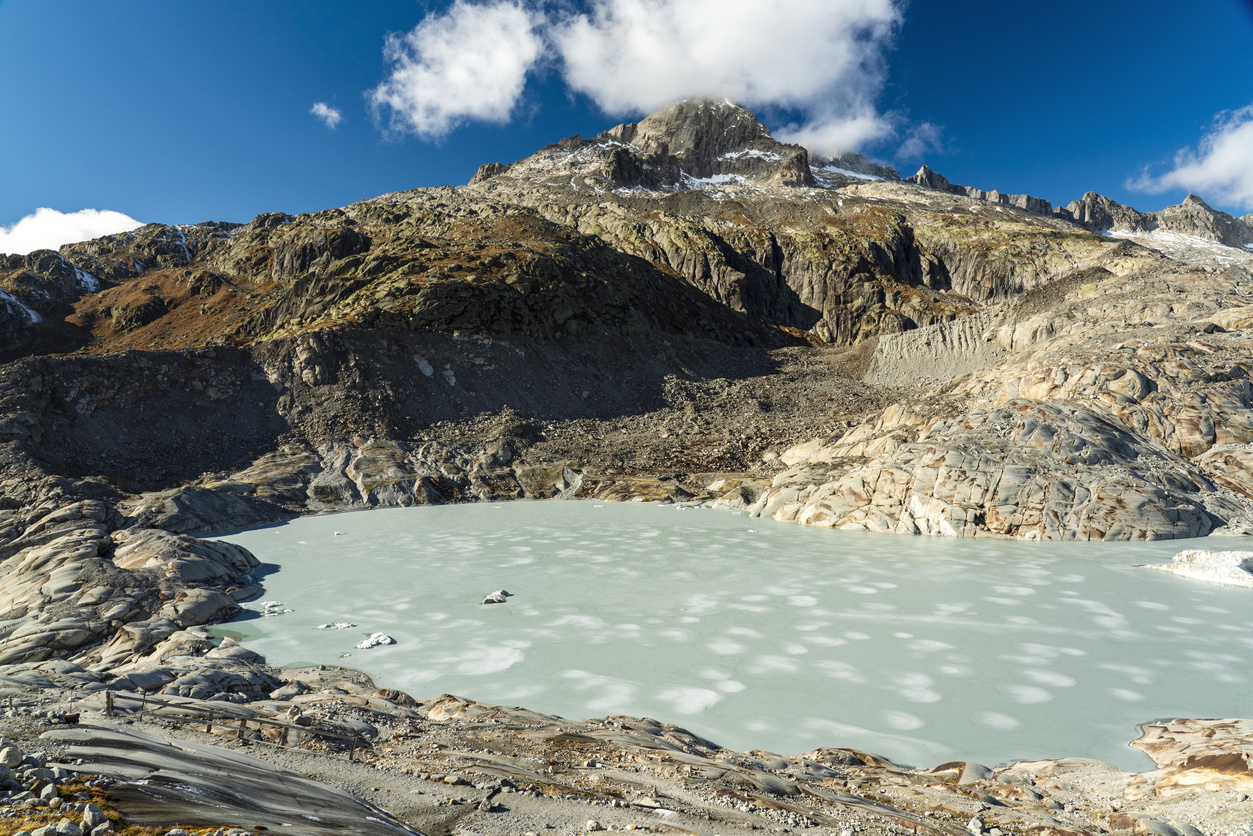
Why Switzerland is among the ten fastest-warming countries in the world
The Social Democrats and Greens promoted the initiativeExternal link as they believe that protection of the climate and biodiversity cannot be offloaded onto the individual. Massive public investment is needed, they argue, to promote renewable energy sources and produce as much energy as possible in Switzerland.
Within 18 months of being launched, the initiative had garnered over 102,000 signatures. It will therefore be put to a nationwide vote, to be held on March 8. And as it proposes an amendment to the Constitution, the initiative will require a “double majority” of both the people and the cantons in order to be approved.
What are the arguments of those in favour?
The new fund financed by the federal government would accelerate the development of renewable energies, such as the installation of more solar panels, and promote the protection of animal and plant biodiversity, the initiative committee says. The funds would be used to make buildings more energy efficient and to strengthen public transport, among other things.
For the political left and ecologist circles, doing nothing would be far more expensive than taking action now to ensure the requisite billions of francs in investments. For every franc poured into climate protection measures today, four or five francs will be saved in the future, they argue, calling to mind the major natural disasters that have befallen Switzerland in recent years, in Blatten, Bondo and the Maggia Valley.

Investing in the energy transition will also reduce Switzerland’s dependence on the often-autocratic countries that produce fossil fuels, the initiative’s supporters say. Russia’s invasion of Ukraine, they point out, has highlighted the need to strengthen Switzerland’s energy supply capacity. In Switzerland, around 70% of energy is produced from imported fossil fuels such as oil and natural gas.
The climate fund would also create sustainable jobs, the initiative committee stresses. The solar installation sector, for example, is short of skilled workersExternal link.
Who is against the climate fund, and why?
The government and a majority in parliament recommend rejecting the initiative. The government believes that the climate fund is not necessary in order to achieve national climate targets. The federal government and the cantons already allocate around CHF2 billion a year for climate and energy action and CHF600 million for biodiversity, the governmentExternal link states.
In parliament, the main parties (except for the left-green camp) turned down the initiative, deeming it too costly and ineffective. Expenditure for the climate fund would not be subject to the debt brake. This would lead to an uncontrolled increase in public spending, they argued. The population would pay the price, potentially facing a hike in taxes. The “no” camp also criticised the lack of specific criteria for how the money from the fund would be used. They believe Switzerland should carry on with its current climate policy and keep focusing on a broad range of approaches, from energy efficiency incentives to restrictions on fossil fuels.
Join the debate:
External Content
How is climate protection funded in Switzerland today?
The main financial instrument for the implementation of Swiss climate policy is the CO2 tax. This is levied on fossil fuels (heating oil, natural gas and others) used to heat buildings and generate electricity. It amounts to CHF120 per tonne and is one of the highest CO2 taxes in the world.
The revenue is used in part to finance the Buildings ProgrammeExternal link. This national scheme aims to reduce energy consumption in Switzerland’s buildings, for example by improving their thermal insulation or replacing outdated heating installations with renewable energy systems. In 2024, the programme disbursed around CHF528 millionExternal link.
Meanwhile, the Climate and Innovation Act, which was approved by popular vote in 2023, provides for an additional credit of CHF2 billion over ten years for the energy refurbishment of homes and buildings. The buildings sector is responsible for around one quarter of CO2 greenhouse gas emissions and 40% of energy consumptionExternal link in Switzerland.
As for solar energy, the federal government is subsidising the construction of large photovoltaic power plants in the mountains. The cantons and some municipalities also offer financial incentives to those wishing to install solar panels on their roofs. In 2023, the federal government provided around CHF600 millionExternal link for the development of photovoltaic energy.
How is renewable energy progressing in Switzerland?
Switzerland produces almost 70% of its electricity from renewable sources, above all hydroelectric power. The national energy strategy is seeking to develop solar energy in particular, and to a lesser extent wind power, by 2050, in part to offset the planned closure of nuclear power plants (which today supply around one quarter of electricity).
External Content
Photovoltaic energy production in Switzerland grew by 433% between 2015 and 2024 and today covers about 10% of the country’s electricity needs. In addition to Alpine solar farms, the country is focusing on installing solar panels on existing infrastructure, including the roofs and facades of residential buildings and shopping centres.
In some cantons, such as Geneva, solar panels are already obligatory on the roofs of all new buildings. A recently submitted popular initiative calls for this requirement to be extended to all new and renovated buildings in the country.
Our explainer video on the vote:
>> Renewable energies have expanded around the world in the past ten years:

More
Will the sun still shine on renewable energy tomorrow?
Edited by Samuel Jaberg. Adapted from Italian by Julia Bassam/gw

In compliance with the JTI standards
More: SWI swissinfo.ch certified by the Journalism Trust Initiative

You can find an overview of ongoing debates with our journalists here . Please join us!
If you want to start a conversation about a topic raised in this article or want to report factual errors, email us at english@swissinfo.ch.