








Spring arrives earlier and earlier in Switzerland

Spring is arriving earlier and earlier in Switzerland. This year, the hazelnut trees are flowering two weeks early, MétéoSuisse told Keystone-ATS news agency.
Select your language
Generated with artificial intelligence.
Listening:
Spring arrives earlier and earlier in Switzerland
+ Get the most important news from Switzerland in your inbox
The first hazelnut trees in Switzerland began to blossom on February 7, according to the Federal Office of Meteorology and Climatology (MeteoSwiss). At the same time, snowdrops are brightening up gardens, wild garlic is sprouting at the edge of the forest and trees are putting out their first leaves.
But on the calendar spring doesn’t actually begin until March 20. It’s not unusual for nature to be ahead of the calendar. Over the last few decades, the dates announced by MeteoSwiss for the arrival of spring have been falling earlier and earlier in the year.
This is shown by the spring index. This measures the start of spring in nature, based on the flowering or leaf growth of nine plants. These observations, made between 1991 and 2020, have been used to draw up an average. It is against this average that MeteoSwiss then determines whether vegetation in a given year is early or late.
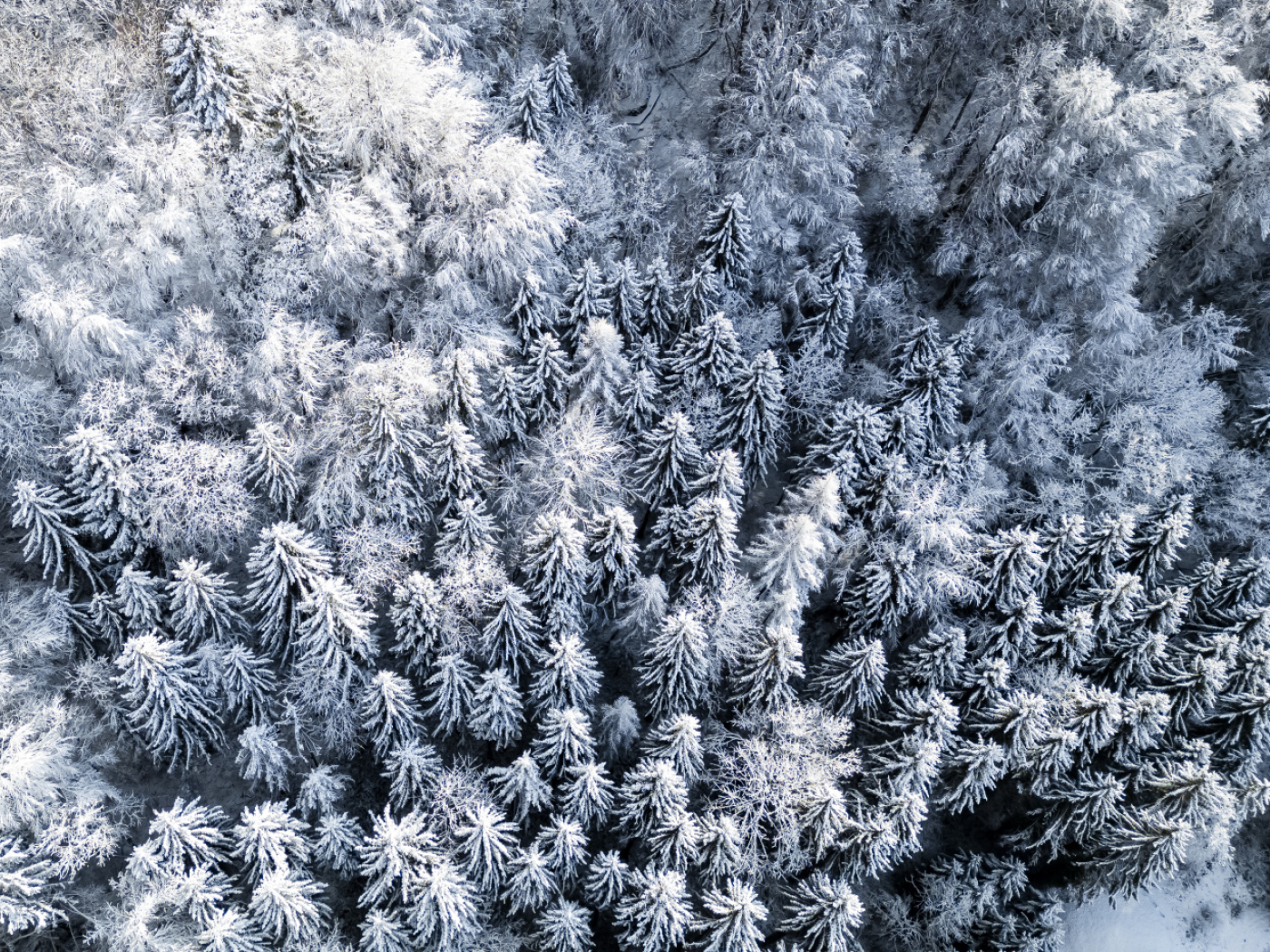
More
Swiss trees stunted by climate change
Up to 10 days ahead
Since the 1990s, this spring index has been falling further and further ahead of the average. The earliest spring was observed in 2024. That year, spring began ten days early. In 2025, spring began a week earlier than average.
In the last ten years, spring has only been late once, in 2021, but only by barely a day. For the current year, the calculations have not yet been made. Figures are expected in May.
Early flowering not only affects hay fever sufferers, who have to battle pollen earlier and earlier. It also has consequences for nature.
Processes in the animal and plant world are interwoven like clockwork. The smallest variation produces chain effects. Plants flower before the insects that pollinate them appear. Migratory birds return from the south during a period that is not ideal for young birds.
Translated from German by AI/jdp
We select the most relevant news for an international audience and use automatic translation tools to translate them into English. A journalist then reviews the translation for clarity and accuracy before publication.
Providing you with automatically translated news gives us the time to write more in-depth articles. The news stories we select have been written and carefully fact-checked by an external editorial team from news agencies such as Bloomberg or Keystone.
If you have any questions about how we work, write to us at english@swissinfo.ch
External Content


See more Swissinfo articles in your Google results. Learn more

In compliance with the JTI standards
More: SWI swissinfo.ch certified by the Journalism Trust Initiative

You can find an overview of ongoing debates with our journalists here . Please join us!
If you want to start a conversation about a topic raised in this article or want to report factual errors, email us at english@swissinfo.ch.