










Drugmakers shift focus to chronic diseases of poor
Two decades after they were spurred into action to tackle AIDS in Africa, global drugmakers said in Davos on Wednesday they would invest $50 million (CHF50.1 million) over three years to fight cancer and other non-communicable diseases in poor countries.
Twenty-two companies, including Basel-based Novartis and Roche as well as Pfizer, Merck, Sanofi and GlaxoSmithKline, will contribute funds and expertise to the project, which is backed by the World Bank.
The so-called Access Accelerated initiative was announced at the annual meeting of the World Economic Forum and aims to improve both treatment and prevention.
Severin Schwan, chief executive of Roche, the world’s largest maker of cancer drugs, said his company and others were already implementing preferential pricing for the developing world but cost was only one obstacle.
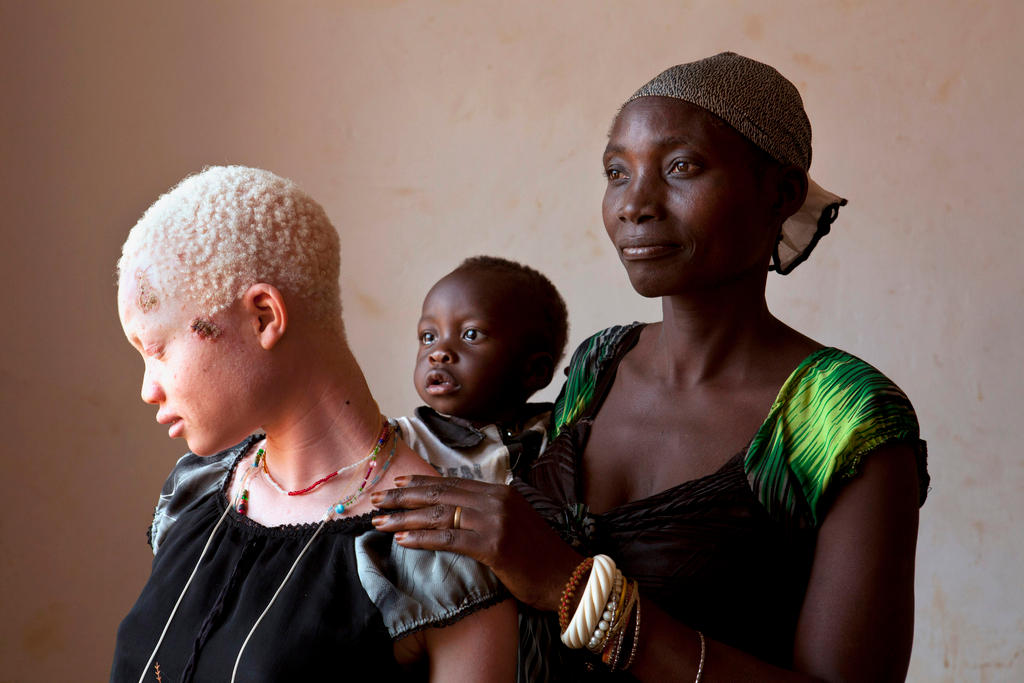
Countries in Africa, Asia and Latin America also need improved healthcare systems if patients are to benefit from the latest developments in medicine.
“It has a lot to do with hospital infrastructure. You can’t administer modern cancer medicines if you don’t have sophisticated lab facilities,” Schwan told Reuters. “We’re going to institutionalise cooperation in this area.”
Cancer is the initial focus and drug companies will work with the Union for International Cancer Control to test new diagnostics and treatments in several cities around the world on a pilot basis.
In the past, the focus of healthcare in poorer parts of the world has been on fighting infectious diseases, whether through vaccinations, drug programmes or the roll-out of anti-malarial bed nets.
Today, however, the healthcare burden is shifting as deaths from these conditions decline and people in increasingly urbanised populations succumb to diseases such as cancer, diabetes, and heart and lung disorders fuelled by Western lifestyles.
Such non-communicable diseases (NCDs) are responsible for nearly 70% of all deaths worldwide and almost three-quarters of them occur in low- and middle-income countries, according to the World Health Organization.

In compliance with the JTI standards
More: SWI swissinfo.ch certified by the Journalism Trust Initiative

You can find an overview of ongoing debates with our journalists here . Please join us!
If you want to start a conversation about a topic raised in this article or want to report factual errors, email us at english@swissinfo.ch.