








Iran-US: the stakes of disruption at Hormuz for Switzerland
Series Switzerland and fossil fuels, Episode 10:
Over a month of effective closure of the Strait of Hormuz has highlighted the vulnerability of global energy and humanitarian supply chains.
Swissinfo assesses the consequences for Switzerland and the Swiss-based organisations that sustain global trade and aid flows, even as the situation shows tentative signs of easing.
Select your language
Generated with artificial intelligence.
Listening:
Iran-US: the stakes of disruption at Hormuz for Switzerland


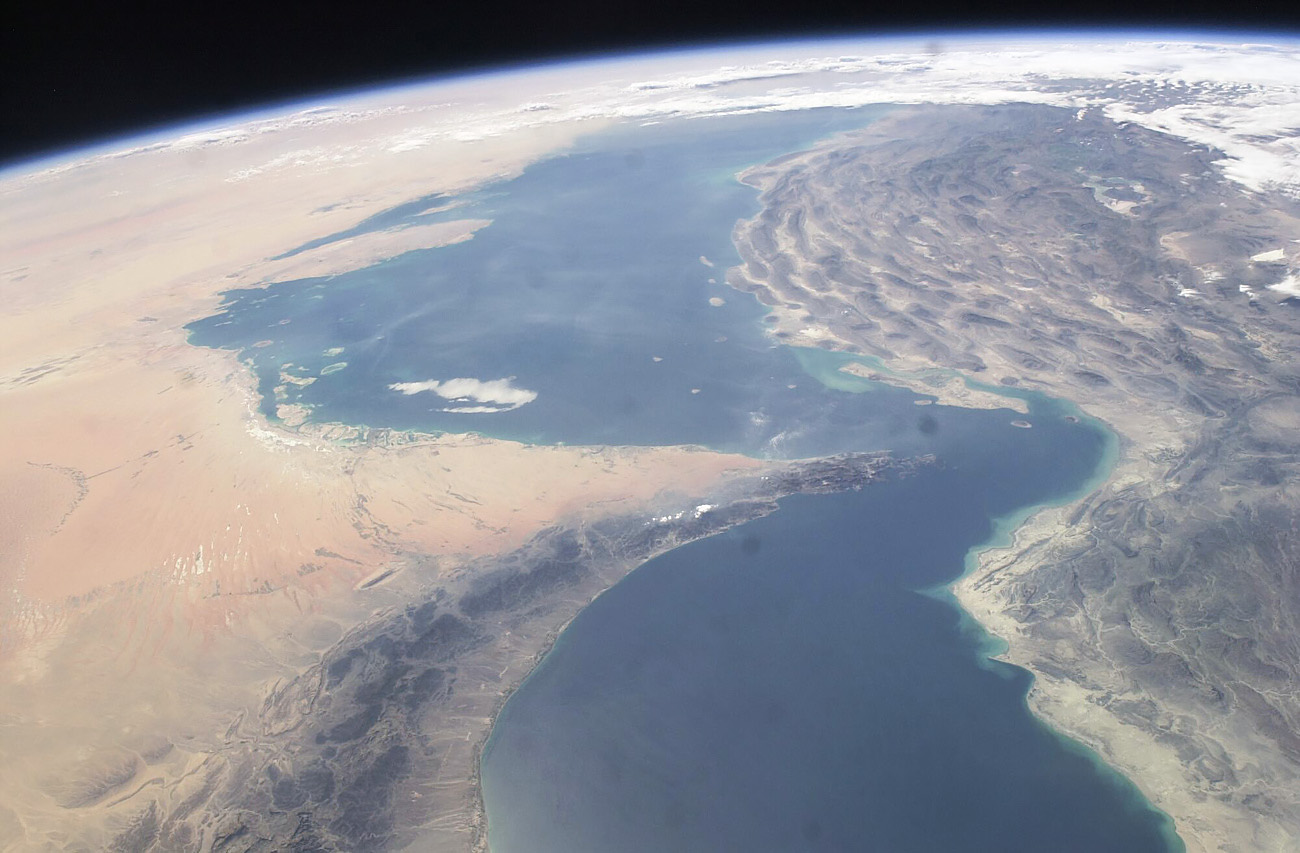
The disruptions are the consequence of a sharp escalation after the United States and Israel launched strikes on Iran in late February. Tehran responded with retaliatory threats and attacks on vessels in the Gulf, raising risks to shipping and effectively halting traffic through the narrow waterway between Oman and Iran.
The US and Israel are still at war with Iran. But US President Donald Trump announced late Tuesday he would suspend planned strikes on Iran for two weeks, stepping back hours before a self-imposed deadline after warning that “a whole civilization will die tonight.”
The ceasefire is tied to reopening the Strait of Hormuz and progress in negotiations. Tehran says it will allow safe passage for vessels, which have coordinated with its armed forces, underlining its continued control. The situation remains volatile.
External Content
Roughly a fifth of the world’s oil and gas passes through this maritime chokepoint, along with a significant share of global seaborne trade. “Disruptions in Hormuz force a real-time redrawing of global energy flows, with Swiss trading houses at the centre of this reconfiguration,” says Florence Schurch, secretary general of SUISSENÉGOCE, the main industry association representing Switzerland’s commodity trading sector.
The prolonged shutdown has also upended humanitarian operations, disrupting the flow of key inputs that underpin global food production and emergency relief supplies.
“This is the most significant disruption to supply chains we have seen since the COVID-19 pandemic and the start of the war in Ukraine,” Corinne Fleischer, director of supply chain at the World Food Programme (WFP), told journalists in Geneva at the end of March. “What is today a supply chain crisis will become a hunger crisis tomorrow, as local market rates increase.”
External Content
What is Switzerland’s exposure?
Switzerland’s vulnerabilities lie less in direct imports than its role managing global commodity flows.
As Schurch explains, “a significant share of oil and gas flows linked to the Gulf is structured, financed and managed from Switzerland, even if the cargoes never physically pass through Swiss territory”. She credits high-performing teams working around the clock with enabling countries in Europe and Asia to secure supplies despite the disruptions.

Economist Peter Klimek concurs. “Switzerland has very limited direct exposure to trade disruptions in the Strait of Hormuz,” he says, citing 2024 data. Overall, Switzerland imported about $14 billion (CHF11.2 billion) or less than 4% of its total imports directly from the Gulf region, he notes.
The main flow was unwrought non‑monetary gold from the UAE, worth around $12.4 billion. Other imports were largely jewellery and precious goods, with sulphur from Qatar the main energy‑related input.
+ Gold: Can the UAE outshine Switzerland?
What is the economic fallout of prolonged closure for Switzerland?
“The most immediate is energy: higher oil and gas prices would act as a direct tax on households, eroding real disposable income and forcing a reallocation away from discretionary spending,” says Rajeev De Mello, chief investment officer at GAMA Asset in Geneva. If elevated prices persist, the cost of replenishing heating oil and gas inventories would add further strain.
External Content
At the same time, weaker growth in Europe, Switzerland’s main trading partner, would amplify the shock. Higher energy costs would dampen demand, squeeze corporate margins and undermine confidence, feeding through to slower Swiss exports, investment and overall economic activity.
“Switzerland would not be insulated from that spillover,” De Mello adds. “Softer European demand, weaker confidence at home and abroad, and a more cautious corporate investment backdrop would all weigh on Swiss activity.
Which actors and sectors of the Swiss economy are most impacted?
Klimek says commodity trading houses are the first hit, as disrupted energy flows reduce volumes and increase volatility. Rising prices also drive up collateral requirements, creating significant liquidity pressure, even if short-term trading opportunities improve.
Banks would be hit second through trade finance, tightening credit as risks and collateral volatility rise. This creates liquidity constraints that can feed back into physical markets, reducing cargo flows and pushing prices higher.

(Re-)insurers would be affected next if claims spike or if shipping risk becomes uninsurable, which itself could directly constrain trade flows, as has been the case earlier in the crisis.
War-risk premiums for commercial shipping surged to around 0.2 to 1% of hull value within 48 hours and up to 5-7.5% for vessels with US, UK or Israeli links. The result was a collapse in maritime traffic.
“Impacts on Swiss industry and pharma would be mostly indirect, via higher energy prices, increased costs for chemical inputs, and more expensive or disrupted logistics,” he says.
Klimek stresses that time is a critical factor. After four weeks, buffers are already being tested, with early signs such as temporary shutdowns in India. As remaining shipments arrive and inventories run down, gaps will be harder to close even if the disruption ends. How long stocks last will be decisive, with companies with limited buffers feeling the impact sooner.

More
Switzerland’s fossil fuel dependence explained
How are trading houses based in Switzerland reacting?
“Swiss trading houses are on the front line in absorbing the shock,” Schurch says. “But that is precisely their role, to cushion such disruptions for the rest of the economy. Managing crises and uncertainty is part of their daily business.”
When tensions rise in the Strait of Hormuz, she adds, trading houses prioritise the safety of crews before shifting to practical measures such as rerouting shipments, renegotiating contracts and adjusting hedging strategies. This rapid response helps keep energy supplies moving despite disruptions.
“It is the Swiss trading hub as a whole that turns a global crisis into a search for concrete solutions, making Switzerland a stabilising factor for global energy markets,” she argues.
Volatility can create opportunities, but “above all it highlights the role of trading houses as risk managers,” Schurch says. Well-capitalised Swiss-based traders can absorb shocks and “continue to ensure the physical flow of commodities where others withdraw”.
Still, sharp price rises strain liquidity. “It is fortunate that Swiss banks still have substantial liquidity to continue financing this economic activity,” she says. “Without this, price increases would be even more pronounced. Trust between trading houses and banks is crucial in times of major disruption.”
What do the Hormuz disruptions mean for food systems and humanitarian supply chains?
Rising fuel prices are making the transport of aid more expensive, while logistical disruptions are extending delivery times. According to the WFP, the blockage of the Strait of Hormuz has delayed or immobilised 70,000 tonnes of food supplies.
To keep aid moving, the WFP has been forced to reroute convoys. To reach Afghanistan, where 17 million people suffer from hunger, WFP trucks departing from the United Arab Emirates now bypass Iran by passing through Saudi Arabia, Jordan, Syria, Turkey, Azerbaijan and Turkmenistan. “This represents an additional cost of around €1,000 (CHF920) per tonne and three extra weeks,” Corinne Fleischer said.
In a context of strained humanitarian budgets, the WFP fears it will have to scale back its operations. “If costs rise, the cost per beneficiary also rises. And we will support fewer people.”
Beyond oil, the Strait of Hormuz is also a strategic passage for liquefied natural gas and fertilisers. According to a reportExternal link by the UN Conference on Trade and Development (UNCTAD) published on March 10, several least-developed countries rely heavily on fertiliser imports from the Persian Gulf. Sudan imports more than 50%, Somalia 30%.
The UN Food and Agriculture Organization (FAO) indicates thatExternal link around a fifth of global liquefied natural gas (LNG) – a key component of nitrogen fertilisers – and up to 30% of fertilisers traded worldwide transit through the Strait of Hormuz. If the crisis persists, prices could rise by 15–20% in the first half of the year.
“Farmers are facing a dual cost shock: they have more expensive fertilisers alongside rising fuel costs affecting the entire agricultural value chain,” said Máximo Torero, FAO Chief Economist, at a press conference. This situation could push them to reduce fertiliser use, at the risk of lowering future harvests.
What is the worst-case scenario if the disruptions continue?
A sharp escalation could push oil prices towards $150 per barrel and trigger wider economic fallout, warns De Mello, the global markets specialist. “The shock would likely extend beyond a temporary energy squeeze and evolve into a broader global recession risk,” he says. “As a small, highly open economy, Switzerland would be particularly exposed through trade, investment, and confidence channels.”
+ Switzerland faces a steep energy bill due to the Middle East conflict
For its part, the WFP estimates that if the conflict continues beyond the first half of the year and oil prices remain above $100 per barrel, 45 million people could fall into acute food insecurity, while 318 million people worldwide already suffer from hunger.
External Content
“If this conflict continues, it will send shockwaves across the globe, and families who already cannot afford their next meal will be hit the hardest,” said Carl Skau, WFP Deputy Executive Director, at a press conference in Geneva last month. According to the agency’s analysisExternal link, countries in sub-Saharan Africa and Asia are the most vulnerable, as they depend on imports of food and fuel.
Edited by Virginie Mangin/ts
Image research by Thomas Kern

In compliance with the JTI standards
More: SWI swissinfo.ch certified by the Journalism Trust Initiative

You can find an overview of ongoing debates with our journalists here . Please join us!
If you want to start a conversation about a topic raised in this article or want to report factual errors, email us at english@swissinfo.ch.