








Swiss foreign minister says Ukraine crisis should strengthen OSCE
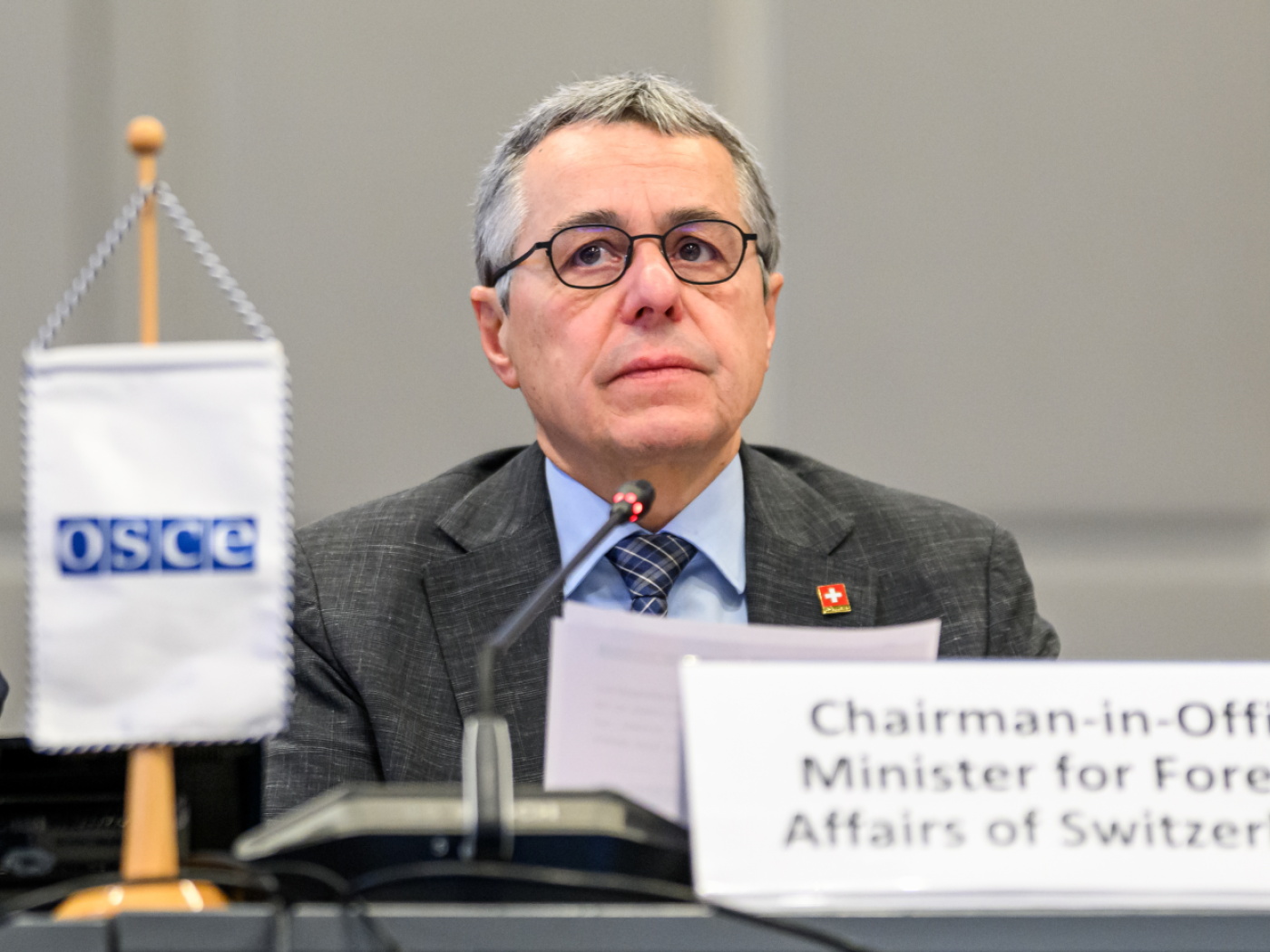
In his first speech as chairman-in-office, Swiss Foreign Minister Ignazio Cassis pledged to strengthen the Organisation for Security and Cooperation in Europe (OSCE) as a platform for dialogue to achieve peace in Ukraine.
Select your language
Generated with artificial intelligence.
Listening:
Swiss foreign minister says Ukraine crisis should strengthen OSCE
+ Get the most important news from Switzerland in your inbox
“Russia’s war against Ukraine has plunged our organisation into the most serious crisis in its history,” said the Swiss Foreign Minister in his opening speech to the Permanent Council of the OSCE in Vienna on Thursday. The current crisis must strengthen the Organisation for Security and Cooperation in Europe (OSCE) and not marginalise it.
More
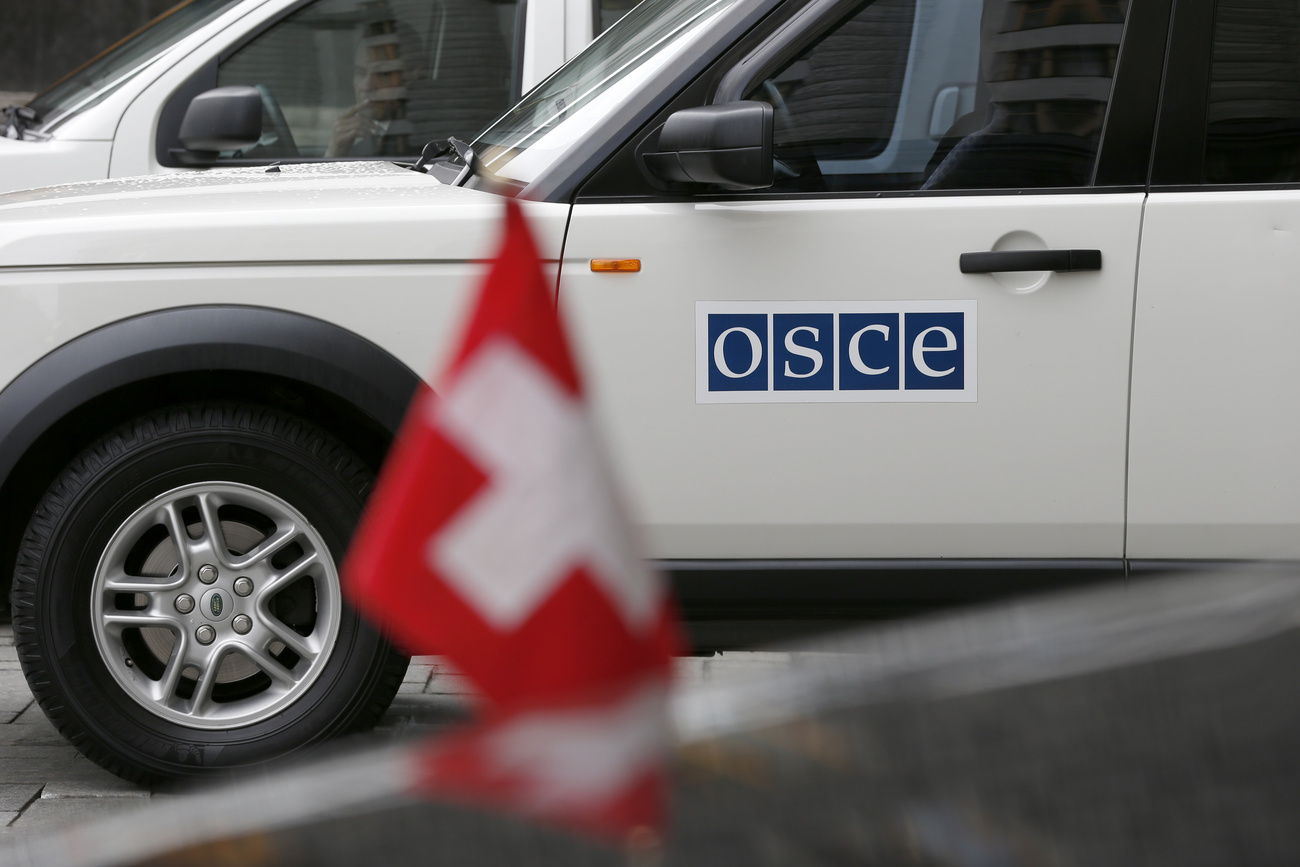
As Switzerland prepares to chair the OSCE, is this body still relevant?
Consensus, the ability to act and trust in the organisation are currently deeply shaken, said the new Chairman.
The priority is clear: as soon as circumstances allow, the organisation wants to contribute to a just and lasting peace in Ukraine. Switzerland will work to ensure that the OSCE is recognised as a useful and necessary player, said Cassis.
Preparations should now be intensified so that the OSCE is ready to take on a targeted, credible and complementary role in the event of a de-escalation or ceasefire between Ukraine and Russia, he added.
However, the OSCE would neither be a peacekeeping force nor a miracle solution. It could act as a platform for dialogue, as a mechanism to support a ceasefire or as an actor for targeted stabilisation. Cassis also called for the immediate release of the three OSCE employees imprisoned in Russia.
For the organisation to be successful, it needs a budget. It was a priority to achieve this as quickly as possible. In addition to a budget, the OSCE also needs reforms. “We are preparing pragmatic proposals so that the OSCE can fulfil its mandate,” said the foreign minister.
Adapted from German by AI/jdp
We select the most relevant news for an international audience and use automatic translation tools to translate them into English. A journalist then reviews the translation for clarity and accuracy before publication.
Providing you with automatically translated news gives us the time to write more in-depth articles. The news stories we select have been written and carefully fact-checked by an external editorial team from news agencies such as Bloomberg or Keystone.
If you have any questions about how we work, write to us at english@swissinfo.ch
External Content

In compliance with the JTI standards
More: SWI swissinfo.ch certified by the Journalism Trust Initiative

You can find an overview of ongoing debates with our journalists here . Please join us!
If you want to start a conversation about a topic raised in this article or want to report factual errors, email us at english@swissinfo.ch.