








SOS Méditerranée’s rescue operations at risk amid Geneva funding cuts
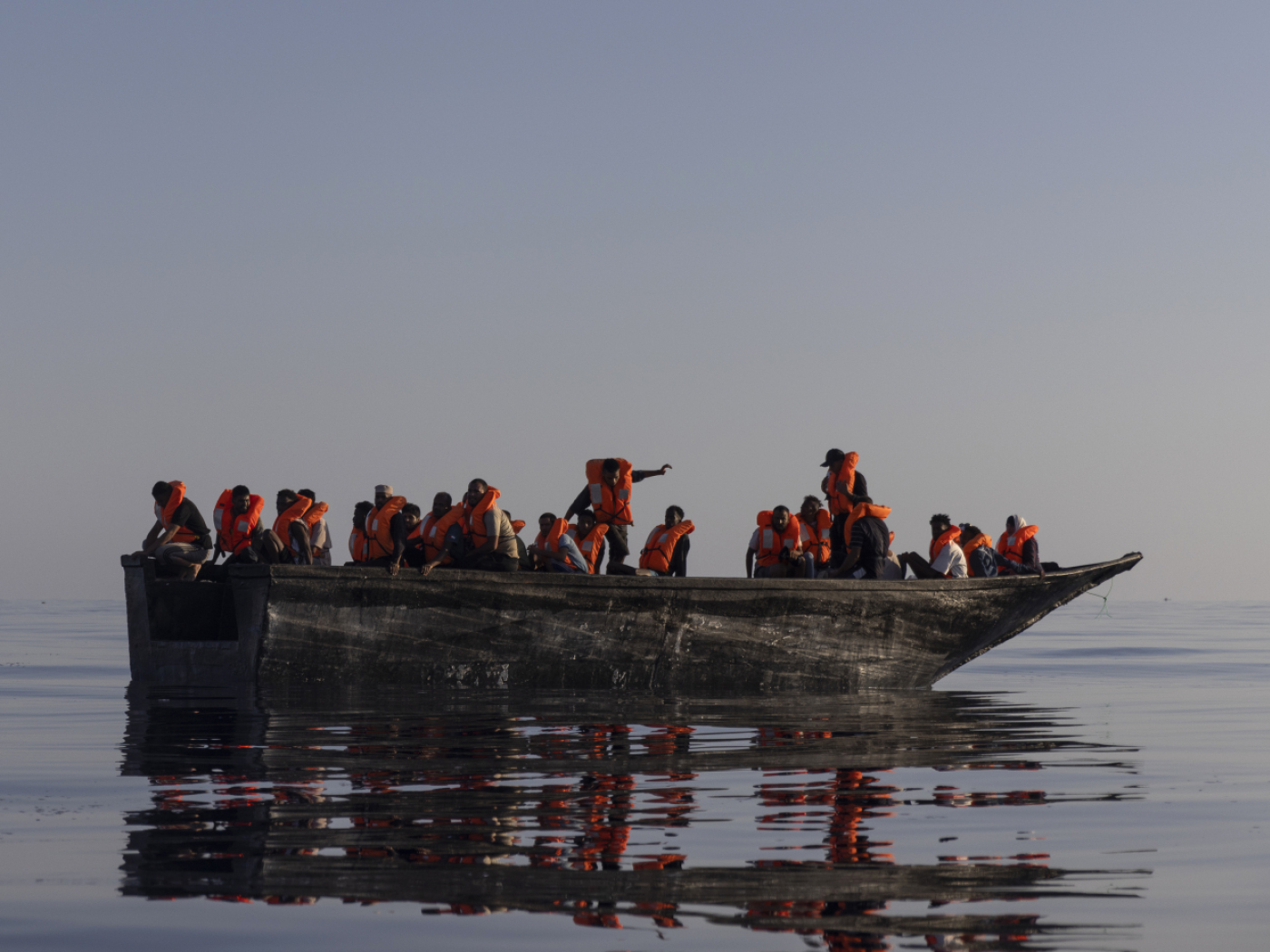
The NGO SOS Méditerranée is facing financial difficulties following the end of a partnership in Geneva. It needs to find CHF2.7 million ($3.35 million) to maintain the same rescue operations at sea until the end of 2026.
Select your language
Generated with artificial intelligence.
Listening:
SOS Méditerranée’s rescue operations at risk amid Geneva funding cuts
+Get the most important news from Switzerland in your inbox
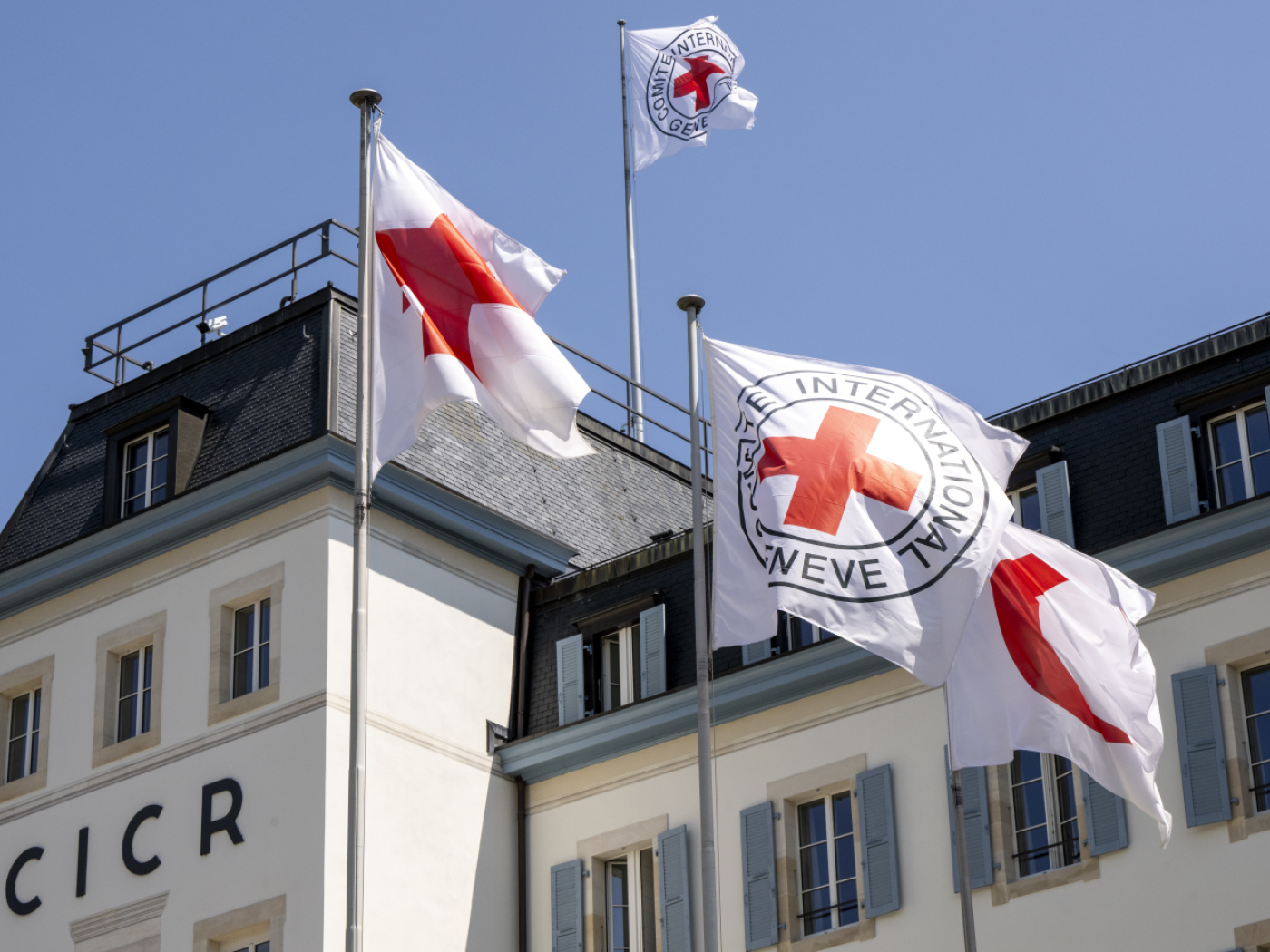
Faced with cuts of its own, the International Federation of the Red Cross and Red Crescent Societies (IFRC) has decided to end its collaboration with SOS Méditerranée. The contribution has been reduced by CHF700,000 for this year, and a further CHF2 million for 2026 will be lost – a quarter of the budget required to maintain rescue operations at sea, the NGO warned on Tuesday.
Over the past four years, the two organisations have carried out more than 150 rescue operations together, helping thousands of people in the central Mediterranean. SOS Méditerranée will have to internalise the medical and protection activities on its ship.
Reduced resources
The financial challenges are compounded by the need for the NGO to reinforce these functions. The NGO will shortly be taking to the sea again, but with reduced resources.
“Our teams have been faced with particularly intense challenges, in particular the violent attack” by Libyan security forces last summer, said Elliot Guy, Director General of SOS Méditerranée Suisse, quoted in a press release.
More
ICRC cutting around 240 jobs at its Geneva headquarters
“We will fight relentlessly to avoid any interruption to our mission”, he added. And he appealed to supporters to help the NGO, even though the current solution can only be continued in the short term, according to him.
Over the last ten years, nearly 33,000 people have died trying to reach Europe via the central Mediterranean. Since 2016, almost 43,000 have been rescued by the NGO.
Adapted from French by AI/jdp
We select the most relevant news for an international audience and use automatic translation tools to translate them into English. A journalist then reviews the translation for clarity and accuracy before publication.
Providing you with automatically translated news gives us the time to write more in-depth articles. The news stories we select have been written and carefully fact-checked by an external editorial team from news agencies such as Bloomberg or Keystone.
If you have any questions about how we work, write to us at english@swissinfo.ch
External Content

In compliance with the JTI standards
More: SWI swissinfo.ch certified by the Journalism Trust Initiative

You can find an overview of ongoing debates with our journalists here . Please join us!
If you want to start a conversation about a topic raised in this article or want to report factual errors, email us at english@swissinfo.ch.