








No more Swiss travellers are stranded in Middle East conflict regions
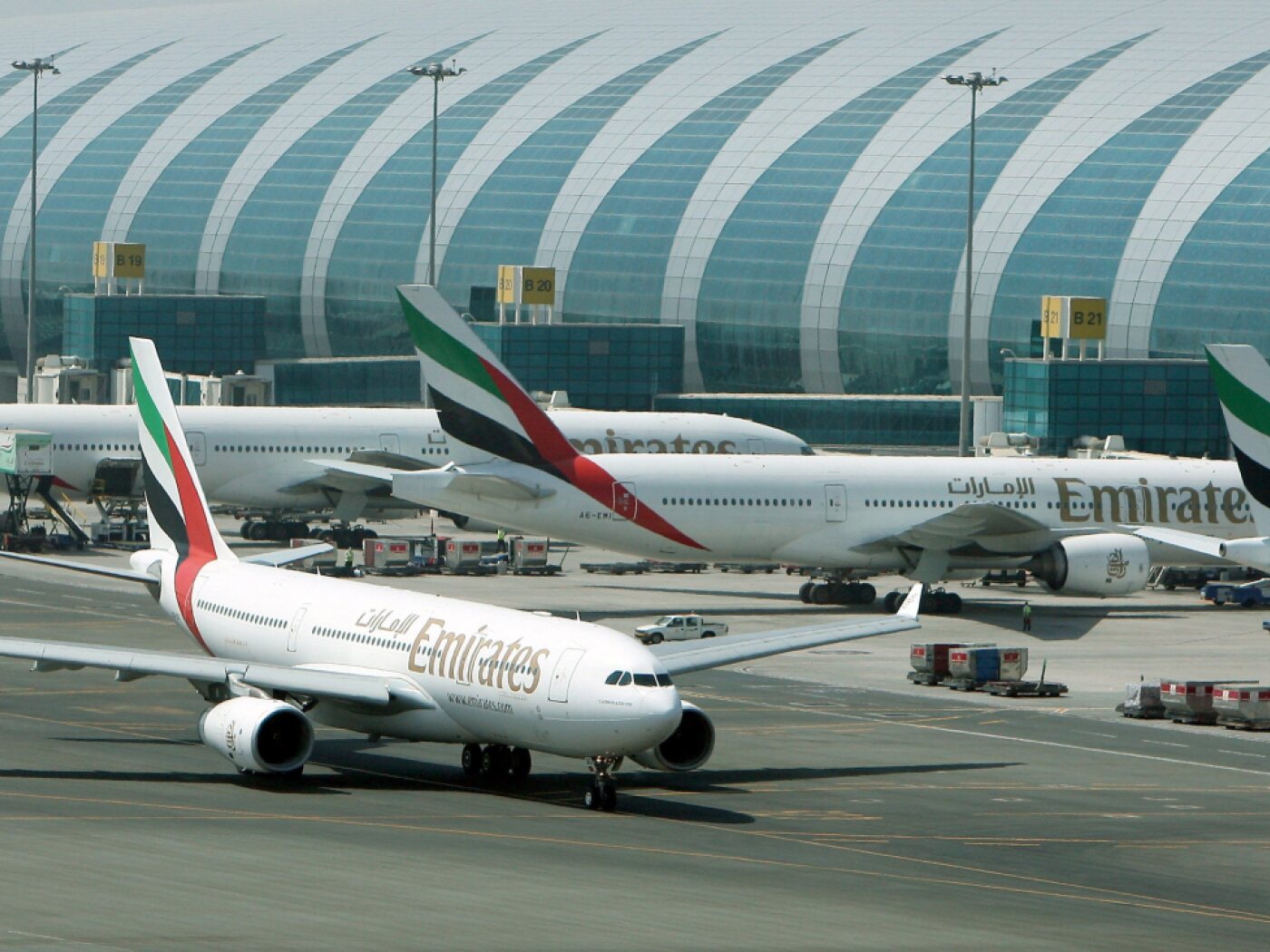
All travellers from Switzerland registered in the Travel Admin app have apparently been able to return home. The Federal Department of Foreign Affairs (FDFA) is not aware of any travellers who are still stranded.
Select your language
Generated with artificial intelligence.
Listening:
No more Swiss travellers are stranded in Middle East conflict regions
+ Get the most important news from Switzerland in your inbox
Several airlines have resumed flight operations at the region’s international airports in the Middle East, the FDFA announced on Wednesday in response to an enquiry from the Keystone-SDA news agency. There are currently daily scheduled flights from the United Arab Emirates to Switzerland.
This means that the situation in the travel sector has calmed down to some extent. In the first days of the war at the beginning of March, over 4,000 stranded travellers from Switzerland registered on the Travel app set up by the FDFA.
According to the FDFA, the helpline and Swiss diplomatic representations in the affected region are also quiet. These recorded a low volume of enquiries, which mainly focused on travel advice and consular services. All Swiss representations in the Gulf States are in operation.
Switzerland’s protecting power
Switzerland continues to act as a protecting power for the United States in Iran, according to the FDFA. The communication channel between the US and Iran is open and available. For reasons of discretion, however, the government is not commenting further on whether and how it is being used.
Under the protecting power mandate, Switzerland has represented the interests of the US since the 1980s. The mandate dates back to the hostage crisis of 1979: after the Islamic Republic was proclaimed in Iran, students occupied the US embassy in Tehran and took staff hostage. The US subsequently broke off all diplomatic relations with Iran.
A year later, Switzerland offered to represent the interests of the US in Iran. Since 1980, it has thus acted as a “messenger” between Washington and Tehran, taking on diplomatic and consular tasks.
Translated from German by AI/jdp
We select the most relevant news for an international audience and use automatic translation tools to translate them into English. A journalist then reviews the translation for clarity and accuracy before publication.
Providing you with automatically translated news gives us the time to write more in-depth articles. The news stories we select have been written and carefully fact-checked by an external editorial team from news agencies such as Bloomberg or Keystone.
If you have any questions about how we work, write to us at english@swissinfo.ch.
External Content

In compliance with the JTI standards
More: SWI swissinfo.ch certified by the Journalism Trust Initiative

You can find an overview of ongoing debates with our journalists here . Please join us!
If you want to start a conversation about a topic raised in this article or want to report factual errors, email us at english@swissinfo.ch.