








Swiss forests have too few young trees or the wrong species
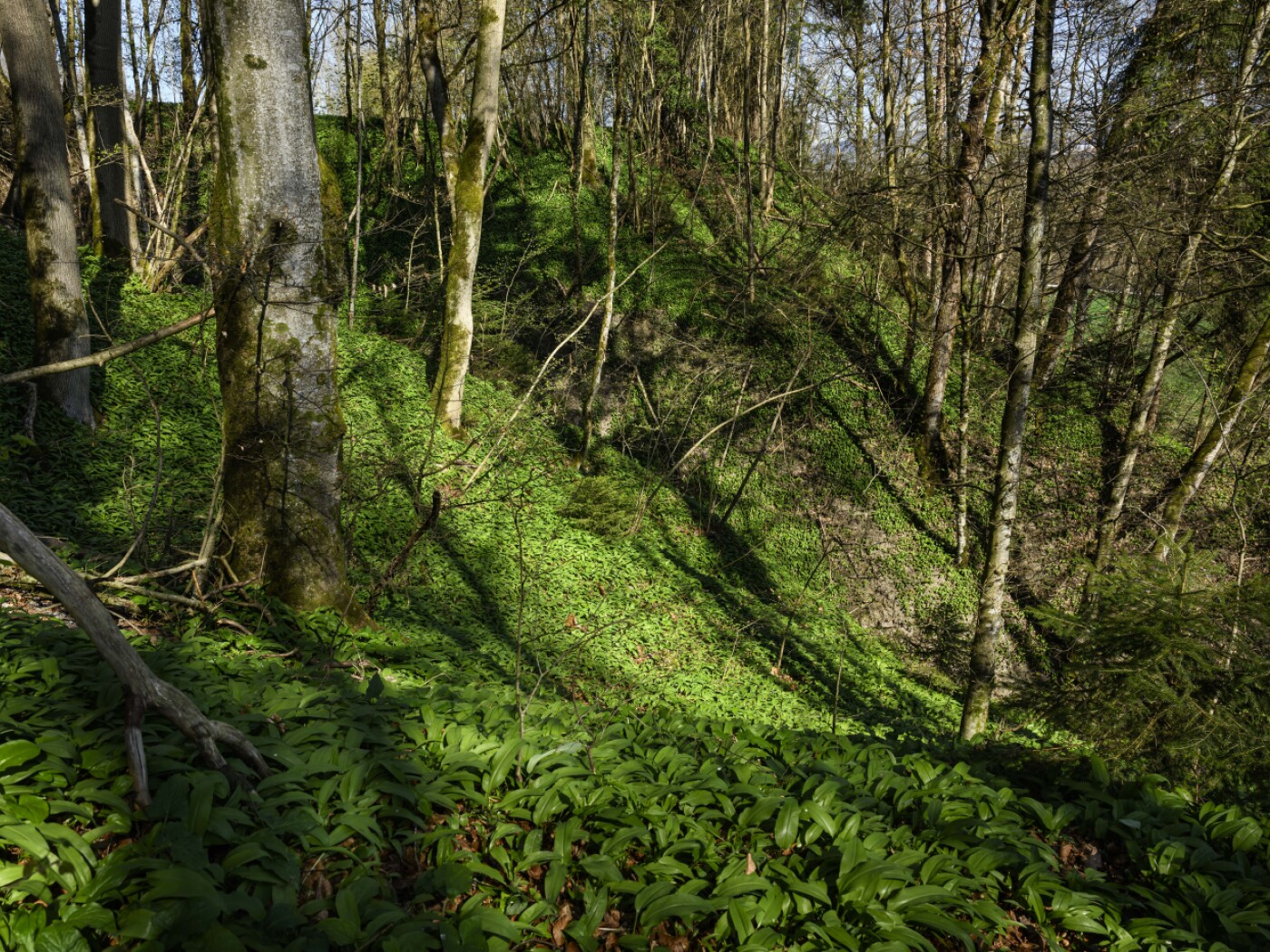
Swiss forests have a regeneration problem. In many places, too few young trees are growing back, or when they do they are species that are not adapted to climate change.
This is the conclusion reached by researchers at the Swiss Federal Institute for Forest, Snow and Landscape Research (WSL) in various research projects. They presented their findings in a special issue of the Swiss Journal of Forestry, as the WSL announced on Tuesday.
+ Get the most important news from Switzerland in your inbox
While the number of young trees has increased after storms on the northern side of the Alps, it is significantly lower in the central Alps and on the southern side of the Alps, as the WSL writes. The reasons for this are a lack of light in overmature forests or damage caused by wild animals.
Regional differences
According to the WSL researchers, the situation regarding forest regeneration varies greatly from region to region. On the northern side of the Alps, the number of young trees per hectare increased after the winter storms Vivian and Lothar. Many deciduous tree species in particular are growing there.
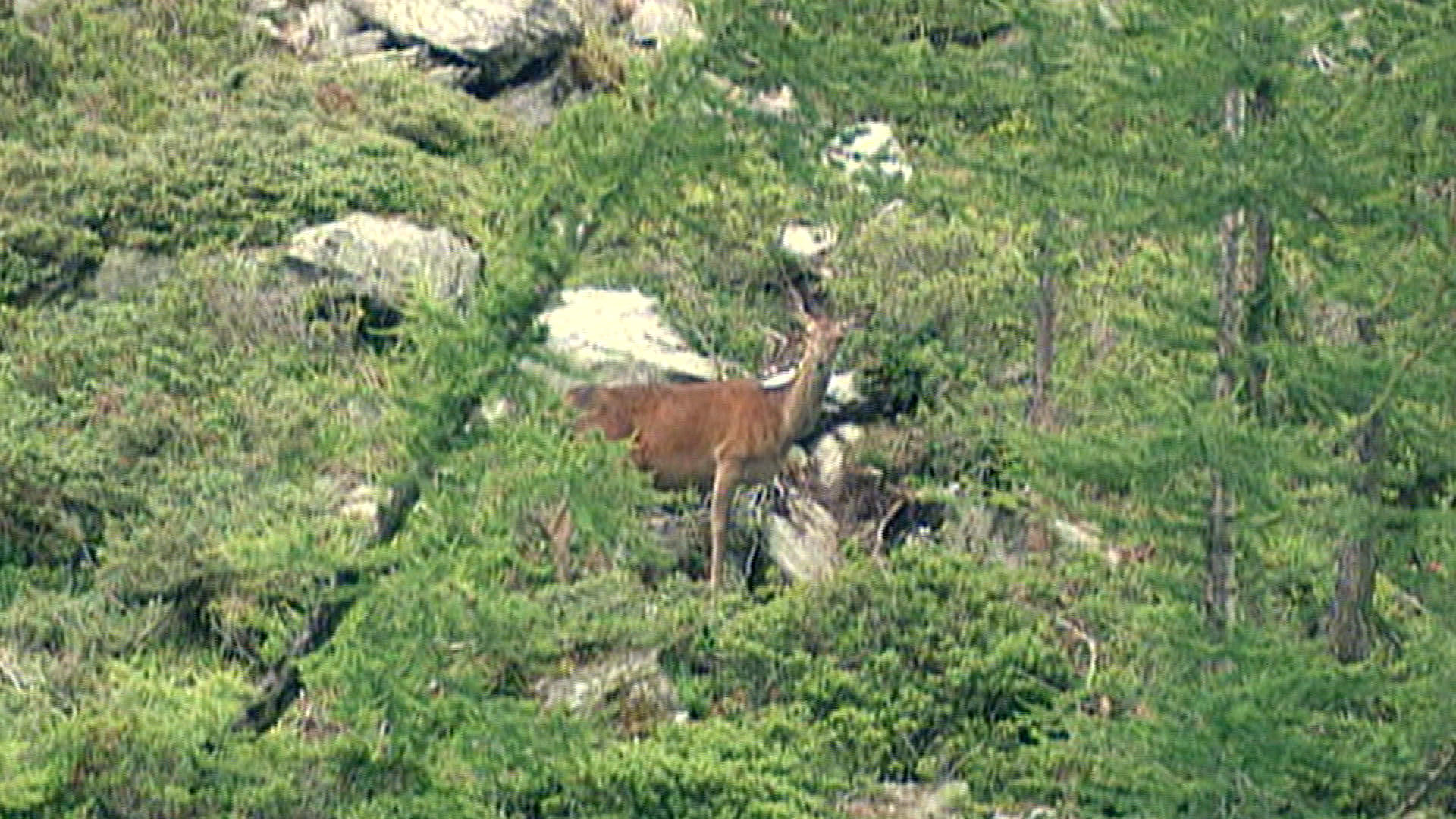
In the central Alps, however, where conifers dominate, and on the southern side of the Alps, regeneration is significantly lower. The researchers cite overmature forests, where young trees lack light, and damage caused by high numbers of wild ungulates as the reasons for this.
More
How to best protect Swiss forests
There are also differences between lowlands and mountains. At low altitudes, drought affects the economically important spruce, while climate-appropriate tree species are not yet available everywhere. In the mountains, stands that are too old reduce the protective effect of the forest against natural hazards.
Promoting regeneration
According to the research centre, this development is problematic in view of climate change. Extreme events such as drought or bark beetle infestation show the vulnerability of forests. In the lowlands, spruce is suffering, while in the mountains, overmature stands could reduce the protective effect against natural hazards in the long term.
The promotion of young, climate-fit tree species is therefore a key task, according to the WSL.
Several research projects are currently underway. Initial findings from test plantings with 55,000 young trees show, for example, that tree species that are adapted to higher temperatures in the future can already grow well at higher altitudes today.
In another experiment, young trees of six tree species have been tested at artificially elevated temperatures since 2021. This has shown that the Douglas fir, which originates from North America, thrives best on shallow soils that tend to dry out.
More
My best friend, the forest
Adapted from German by AI/ac
We select the most relevant news for an international audience and use automatic translation tools to translate them into English. A journalist then reviews the translation for clarity and accuracy before publication.
Providing you with automatically translated news gives us the time to write more in-depth articles. The news stories we select have been written and carefully fact-checked by an external editorial team from news agencies such as Bloomberg or Keystone.
If you have any questions about how we work, write to us at english@swissinfo.ch.
External Content

In compliance with the JTI standards
More: SWI swissinfo.ch certified by the Journalism Trust Initiative

You can find an overview of ongoing debates with our journalists here . Please join us!
If you want to start a conversation about a topic raised in this article or want to report factual errors, email us at english@swissinfo.ch.