








Switzerland to follow EU on migrant return centres abroad
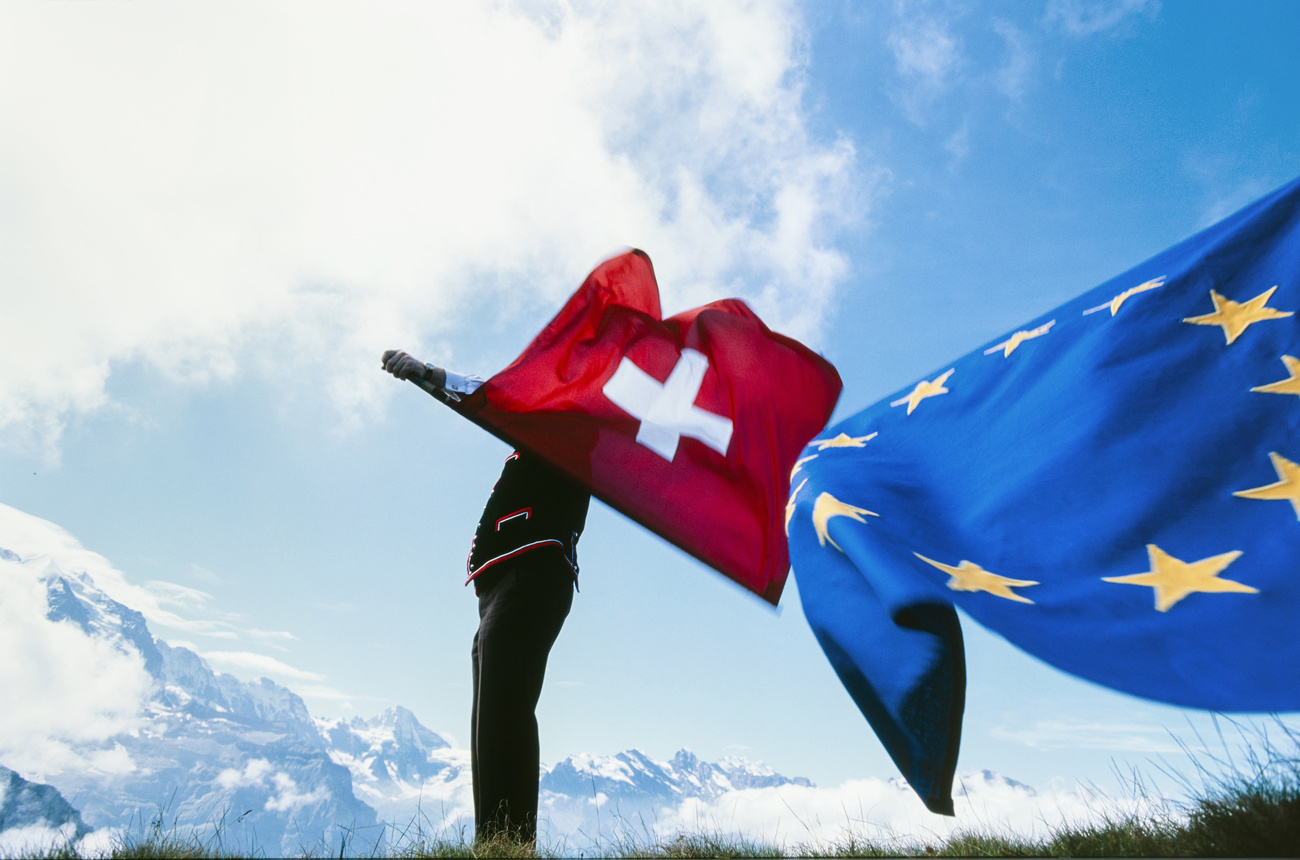
As with the European Union (EU), Switzerland will need to put in place a legal framework for centres abroad where migrants can be returned.
Select your language
Generated with artificial intelligence.
Listening:
Switzerland to follow EU on migrant return centres abroad
+ Get the most important news from Switzerland in your inbox
A deal struck in Brussels on Monday will also apply to Switzerland, which is bound by the rules as part of the Schengen area.
The agreement between member states and the European Parliament sets out a raft of measures to speed up removals, including allowing those countries that choose to do so to establish centres outside Europe for rejected asylum seekers.

More
The Swiss-EU bilateral treaty updates, explained
MEPs and the European Council still need to give the plan a final sign-off in the coming weeks. Because it forms part of the evolving Schengen rulebook, Switzerland will then have two years to incorporate it into national law, a spokesperson for the State Secretariat for Migration (SEM) told the Keystone-SDA news agency on Tuesday. The measure will be put to parliament and could also face an optional referendum.
Centres yet to be established
Before any rejected applicants can be returned, the centres themselves will first need to be set up. That means finding a country willing to host one, the spokesperson said. If such facilities are established and meet the legal requirements, Bern will consider whether to take part.
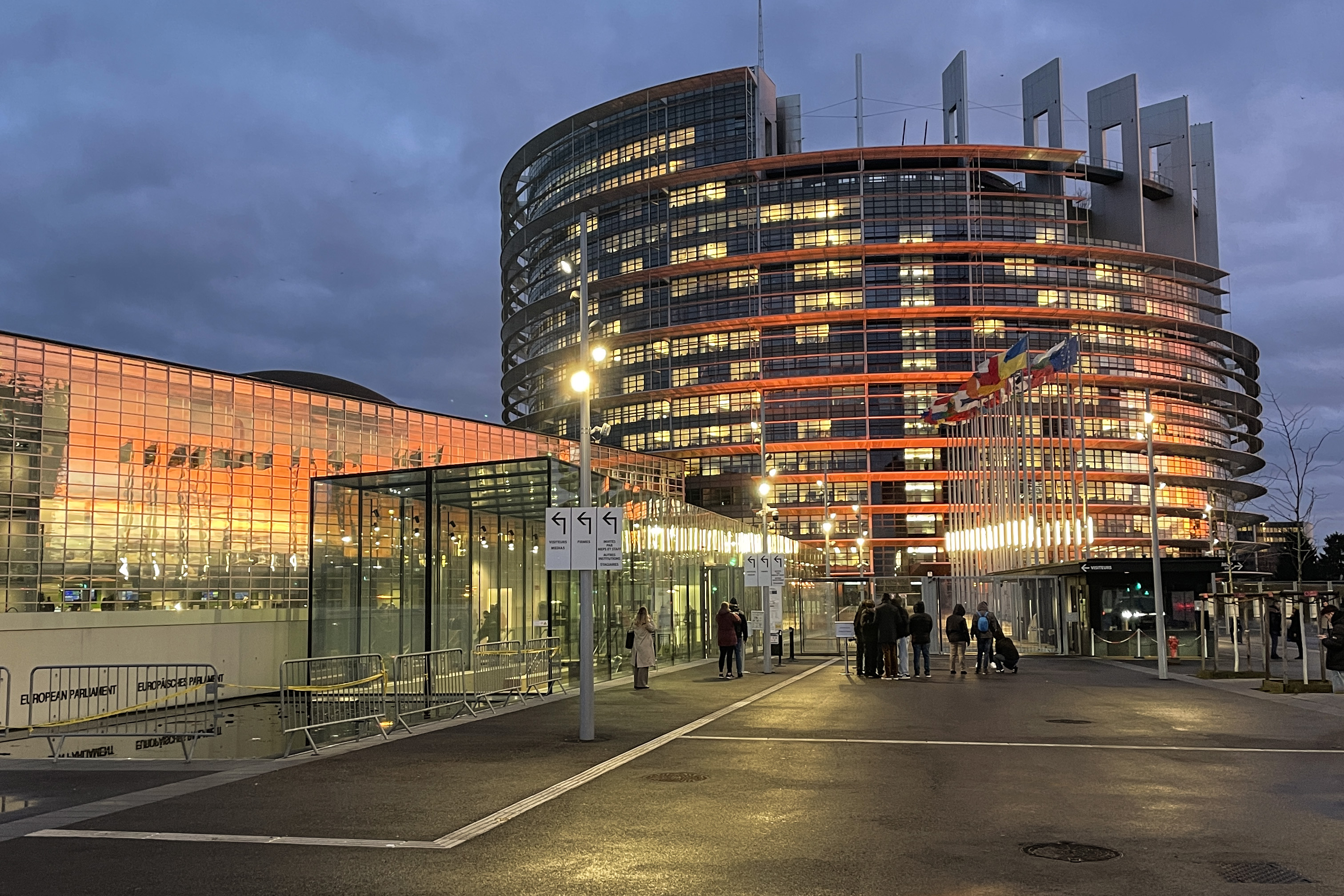
More
Swiss-EU accords have more support in Strasbourg than in Bern
The centres could function either as final destinations or as staging posts before people are transferred to their country of origin or another third state, the European Council said in a statement. Where they might be set up remains unclear.
That would require an agreement with a third country willing to meet human rights and international standards. Families could also be sent to these centres, with the new rules carving out exceptions only for unaccompanied minors.
Join the debate:
External Content
Translated from French by AI/sp
We select the most relevant news for an international audience and use automatic translation tools to translate them into English. A journalist then reviews the translation for clarity and accuracy before publication.
Providing you with automatically translated news gives us the time to write more in-depth articles. The news stories we select have been written and carefully fact-checked by an external editorial team from news agencies such as Bloomberg or Keystone.
If you have any questions about how we work, write to us at english@swissinfo.ch
External Content

In compliance with the JTI standards
More: SWI swissinfo.ch certified by the Journalism Trust Initiative

You can find an overview of ongoing debates with our journalists here . Please join us!
If you want to start a conversation about a topic raised in this article or want to report factual errors, email us at english@swissinfo.ch.