








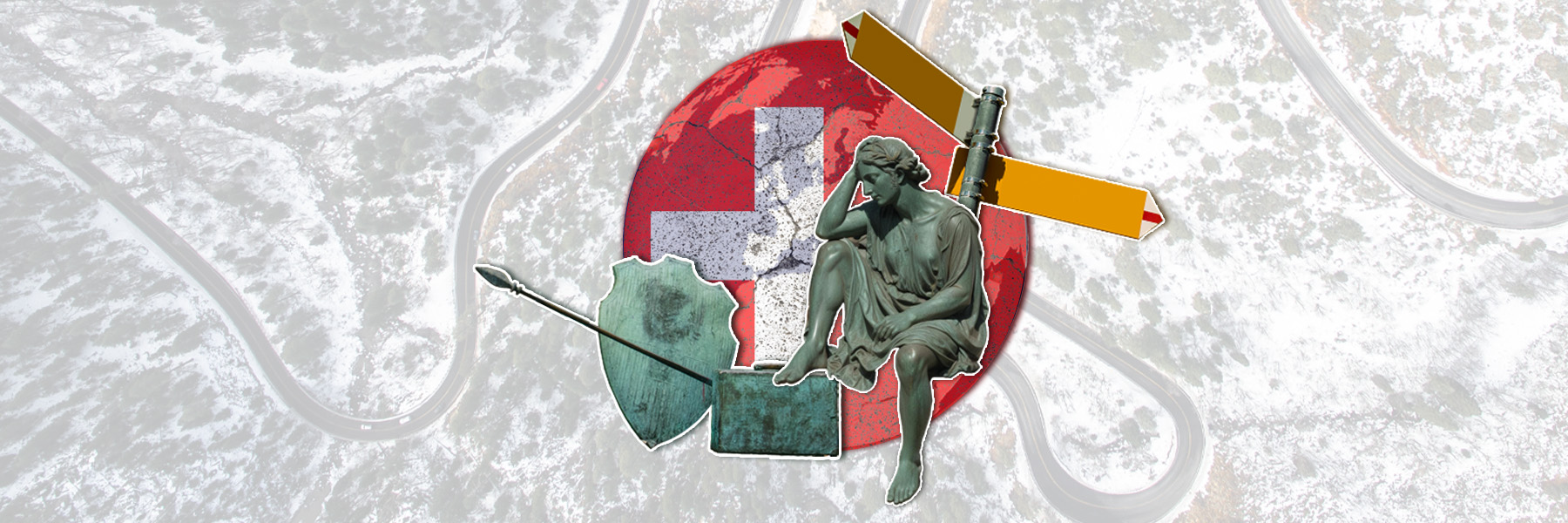
What does the future hold for Swiss neutrality?
Select your language
Generated with artificial intelligence.
Listening:
What does the future hold for Swiss neutrality?
Geopolitical shifts are throwing up new challenges for neutral states, with spheres of influence restricting their room for manoeuvre on the international stage. For Swiss neutrality, various questions loom.

On September 27, 2026, Swiss citizens will vote on the “neutrality initiative” – a proposal to anchor the principle of “permanent and armed” neutrality in the country’s constitution. Currently, the constitution contains just two references to neutrality, without describing it in any great detail. A committee gathered 100,000 signatures to force the public vote.
A key issue in the debate around the initiative is the question of sanctions which have been imposed on Russia since its 2022 attack on Ukraine. But were the initiative to be accepted by voters, it would have wider implications for Swiss foreign policy.

More
How the neutrality initiative could affect Swiss policy
Indeed, the war in Ukraine has sparked heated debates about Swiss neutrality, including commonly-heard claims that the country gave up its neutral stance after taking on sanctions against Moscow. Russia also sees it this way, putting Switzerland on a list of “unfriendly nations”.
Views within Switzerland also differ. Some 80% of the population want to keep Swiss neutrality. But when it comes to what exactly the stance entails, and how it is to be implemented, there is less consensus. As a result, parliamentarians in Bern can sometimes discuss issues that seem puzzling for non-Swiss observers: for example, the question of whether Switzerland should, based on its neutrality rules, place sanctions on Ukraine.

More
Why Switzerland stopped short of formally sanctioning Ukraine
What does neutrality mean anyway?
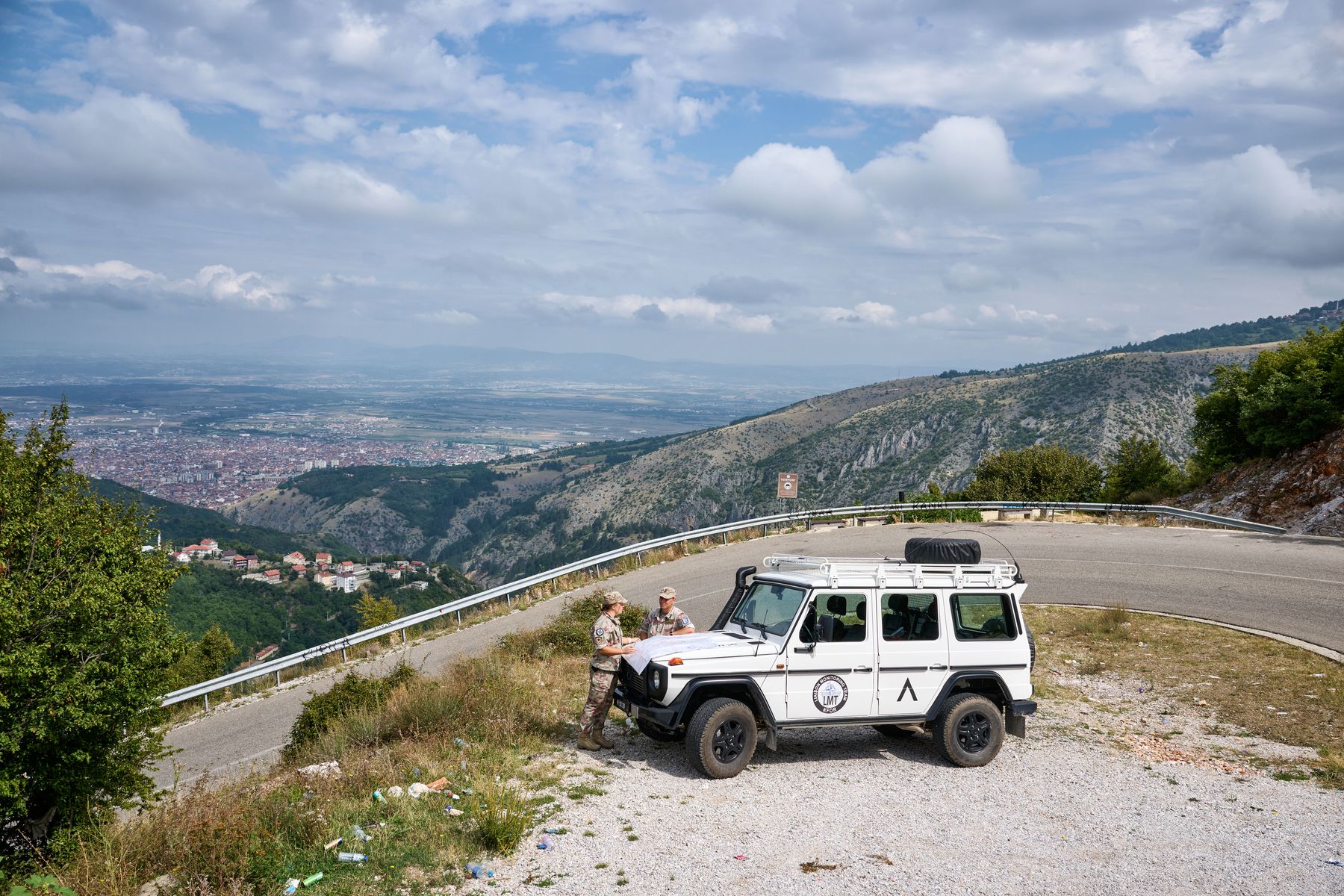
Like most neutral states, Switzerland has long turned away from a strict understanding of neutrality and leaned towards international cooperation; since it joined the United Nations in 2002, it has had to comply with UN sanctions. It has been involved in peace missions for even longer, while neutrality is also closely connected to the country’s good offices.
More
Swisscoy: How Swiss participation in Kosovo peace mission lays bare the neutrality debate
Yet Switzerland is still regularly called upon to explain its concept of neutrality to the outside world, as it is often misunderstood. It is based on a distinction between neutrality law and neutrality policy.
When the victorious powers granted perpetual neutrality to the Alpine nation at the Congress of Vienna in 1815, the deal was that Switzerland would neither take part in conflicts nor provide mercenaries; in return, no more wars would be fought on its territory.
This principle has changed little over time. Even today, the law of neutrality primarily obliges states not to participate in wars, either directly or indirectly. The Swiss foreign ministry definesExternal link neutrality law as obliging a state to:
- refrain from engaging in war
- ensure its own defence
- ensure equal treatment for belligerent states in respect of the exportation of war materiel
- not supply mercenary troops to belligerent states
- not allow belligerent states to use its territory.
These narrowly defined obligations are widely accepted in Switzerland. Despite its clearly Western orientation, Switzerland has repeatedly banned NATO members from flying over the country, for instance during the US invasion of Iraq, for arms deliveries to Ukraine, or for US-Israeli attacks on Iran.
More
Where Switzerland stands on the Iran war
It also refused to grant Germany, Spain and Denmark permission to send Ukraine tanks and ammunition brought from Switzerland. As a result, Bern has come in for significant criticism from European partners and has lost a certain measure of trust – something which will be difficult to regain.
Neutrality policy, on the other hand, is applied flexibly, as it is not a legal framework but rather “a combination of all the measures a neutral state takes of its own accord to ensure the clarity and credibility of its permanent neutrality”, according to the foreign ministry. These measures are adapted to the respective (geo)political context.

More
Switzerland eases arms export rules as its industry is shunned by Europe
Meanwhile Switzerland’s humanitarian tradition and good offices, which along with trade policy are the focal points of its foreign policy, are central to the country’s self-image as a neutral nation.
More

Neutrality under pressure in Europe
Such discussions are taking place not only in Switzerland. Sweden and Finland both joined NATO after a security-policy U-turn, giving up long-standing policies of neutrality and non-alignment. Other neutrals in Europe and beyond are also trying to figure out how their neutrality can fit into the changed international political layout.
More
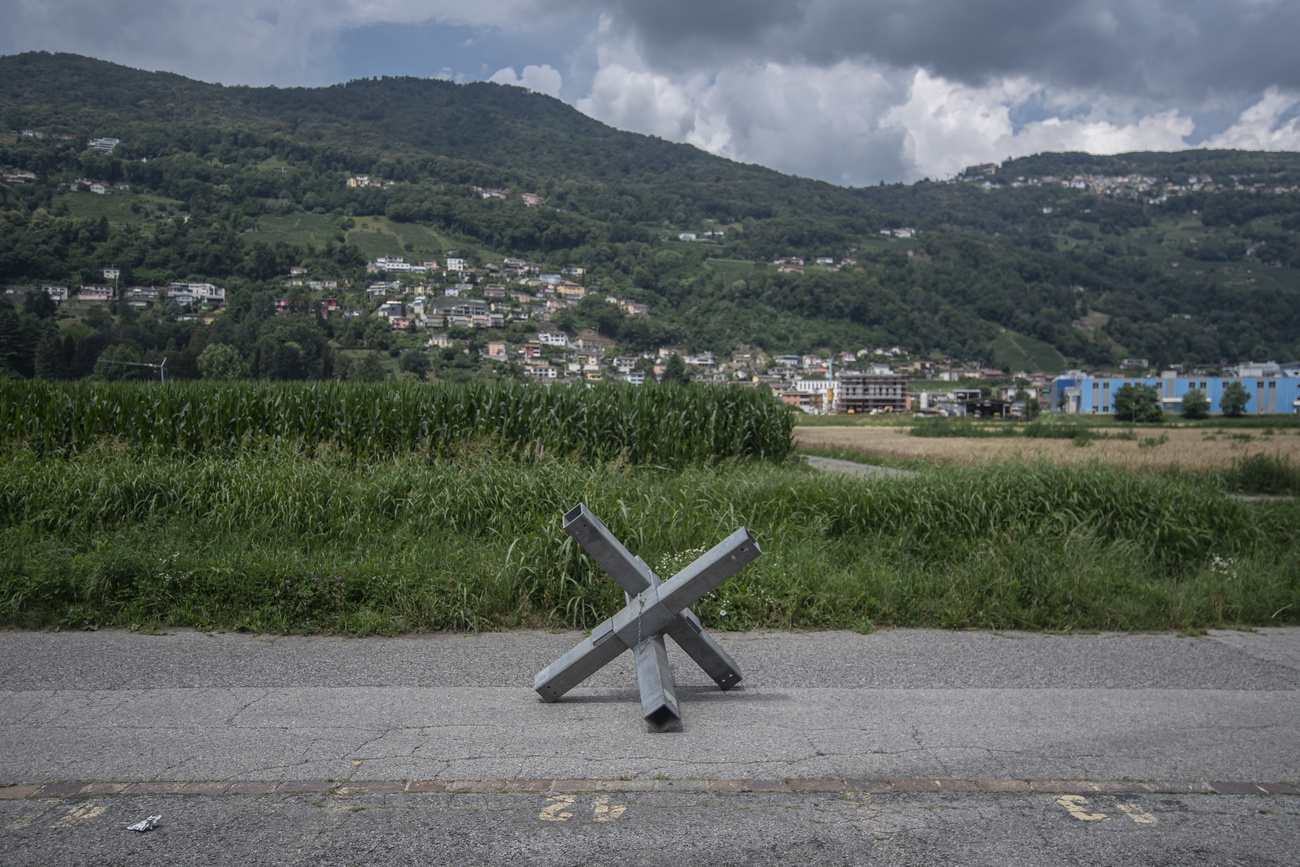
Explainer: Russia pushes Europe’s neutral states closer to NATO
Switzerland’s relationship with NATO also sparks heated debate and emotional controversy in Switzerland. According to a regular surveyExternal link conducted by the federal technology institute ETH Zurich, an increasing number of Swiss are more pessimistic than before about the global political situation. This does not affect the general sense of security in the country, however; the vast majority still feel safe in Switzerland.
Reservations about NATO have, meanwhile, decreased, with more than half of those surveyed now open to rapprochement. There is still no majority in favour of joining NATO (nor is this being discussed politically), but there is wide support for closer cooperation at an institutional and technical level.

More
Why Switzerland attends NATO’s Parliamentary Assembly
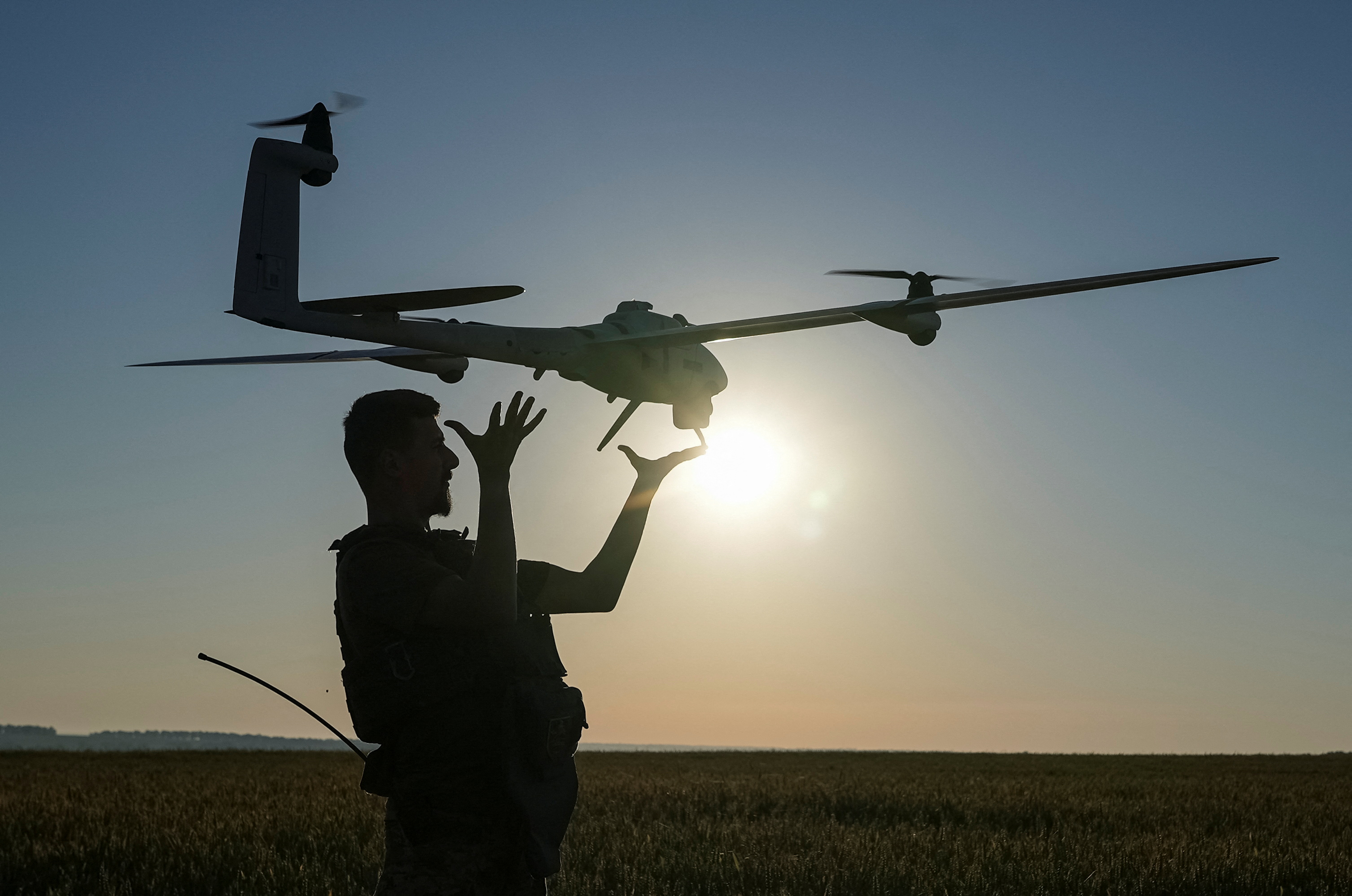
Another security-related aspect flying under the radar, but likely to become increasingly important, is drones. Switzerland prides itself on being the “Silicon Valley of robotics” and is an important player in drone technology. Yet drones or drone parts repeatedly end up in war zones, which can be problematic for neutrality.
More
Switzerland’s drone dilemma
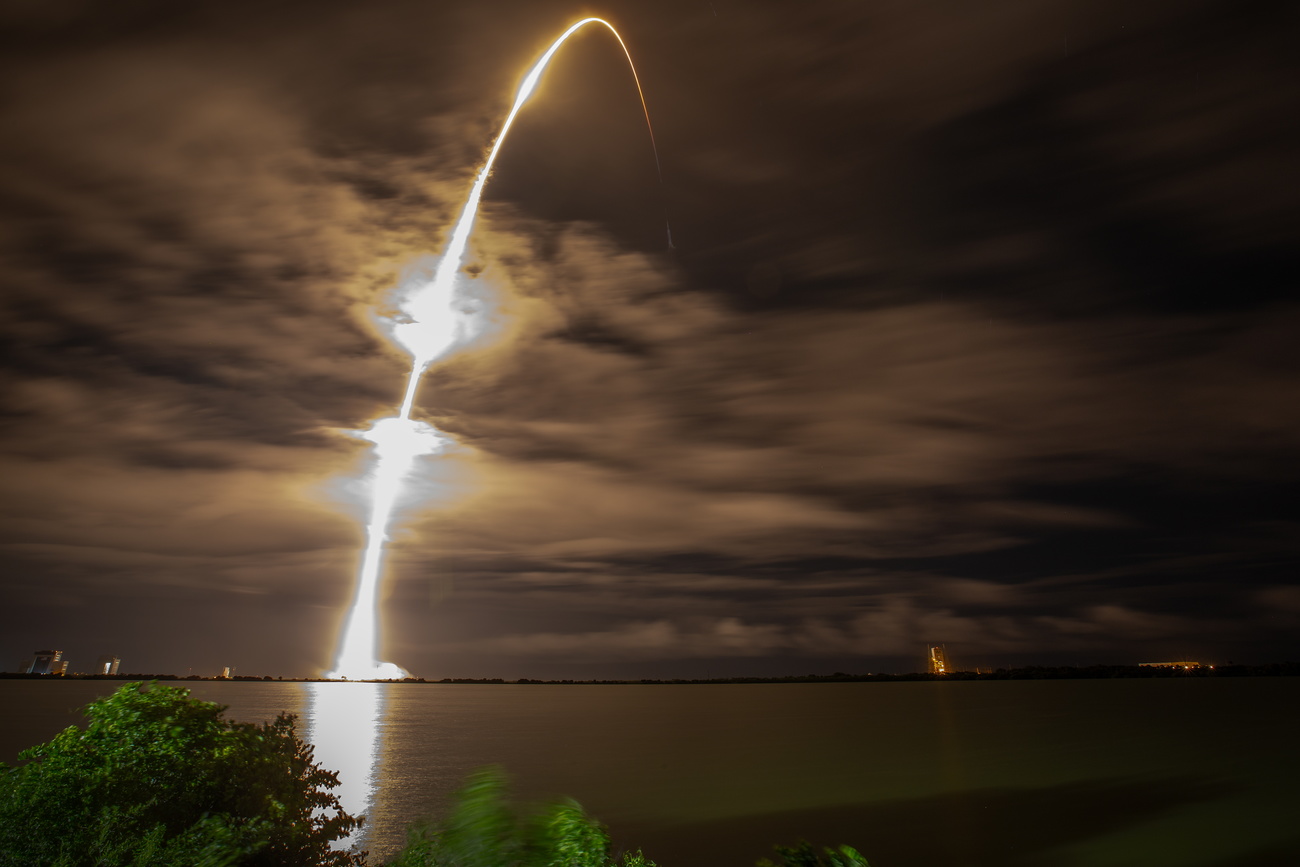
Other intriguing questions regarding neutrality could pop up in an area growing in political importance – space. Territory beyond the Earth’s surface is increasingly contested, making the development of international rules more important than ever. Here, Switzerland is attempting to establish itself as a bridge-builder.
More
Switzerland eyes mediation role amid rising risk of conflict in outer space
A future for multilateralism?
For years, various actors have been waging war on multilateralism – and not just authoritarian states like Russia, Iran, and China, but increasingly also Western countries like the US and Israel. But if the multilateral system comes under more pressure, smaller states like Switzerland will suffer most, since a rules-based order ensures that the strongest nations cannot just do what they want.

More
What Switzerland achieved at the UN Security Council
One example is the International Criminal Court, which various states have vowed to try to “dismantleExternal link”, raising the question of whether the institution can withstand such attacks. At the same time, the principle of universal jurisdiction – which gives all states the authority to prosecute and press charges for the most serious crimes – is gaining ground, even if it is still far from accepted on a global scale. Switzerland has a key role to play here, as much work is being done on the issue in International Geneva.

More
What does the renaissance of universal jurisdiction mean for global justice?
One thing is sure: it is not the end of the road for Swiss neutrality. Yet where exactly it is headed is still up for – heated – debate.
Subscribe here to follow the latest Swiss foreign policy developments:

More
Our newsletter on geopolitics
Edited by Benjamin von Wyl; adapted from German by Julia Bassam, Domhnall O’Sullivan/ts

In compliance with the JTI standards
More: SWI swissinfo.ch certified by the Journalism Trust Initiative
