








Geneva-based UNHCR marks 75 years amid deepening funding crisis
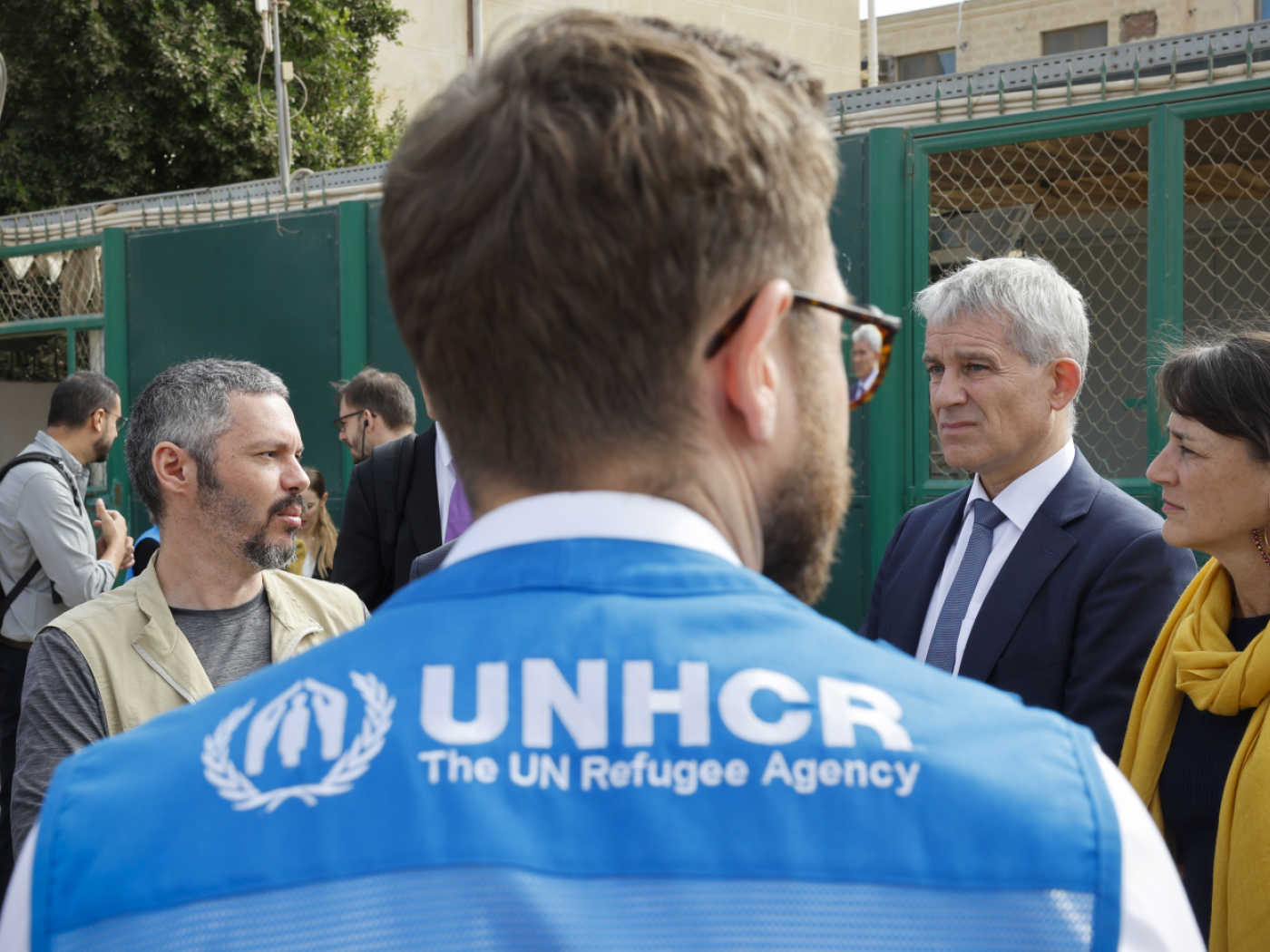
The Geneva-based UN Refugee Agency (UNHCR) marks its 75th anniversary on Sunday, December 14. But as it celebrates this milestone, the organisation is grappling with its most severe funding crisis to date. What does this mean for millions of displaced people and for Europe’s refugee policy?
Select your language
Generated with artificial intelligence.
Listening:
Geneva-based UNHCR marks 75 years amid deepening funding crisis
+ Get the most important news from Switzerland in your inbox
While 75 years is usually cause for celebration, the outgoing head of the UNHCR Filippo Grandi has little reason to smile. The organisation is in the midst of its worst financial crisis yet.
The way refugees are treated has shifted dramatically since 2015 – from a culture of welcome, when people in need were met at railway stations in Germany, to outright rejection and border closures in many places. Meanwhile, the number of displaced people worldwide has almost doubled to at least 122 million, driven in part by conflicts and violence in Syria, Afghanistan, Sudan and Ukraine.
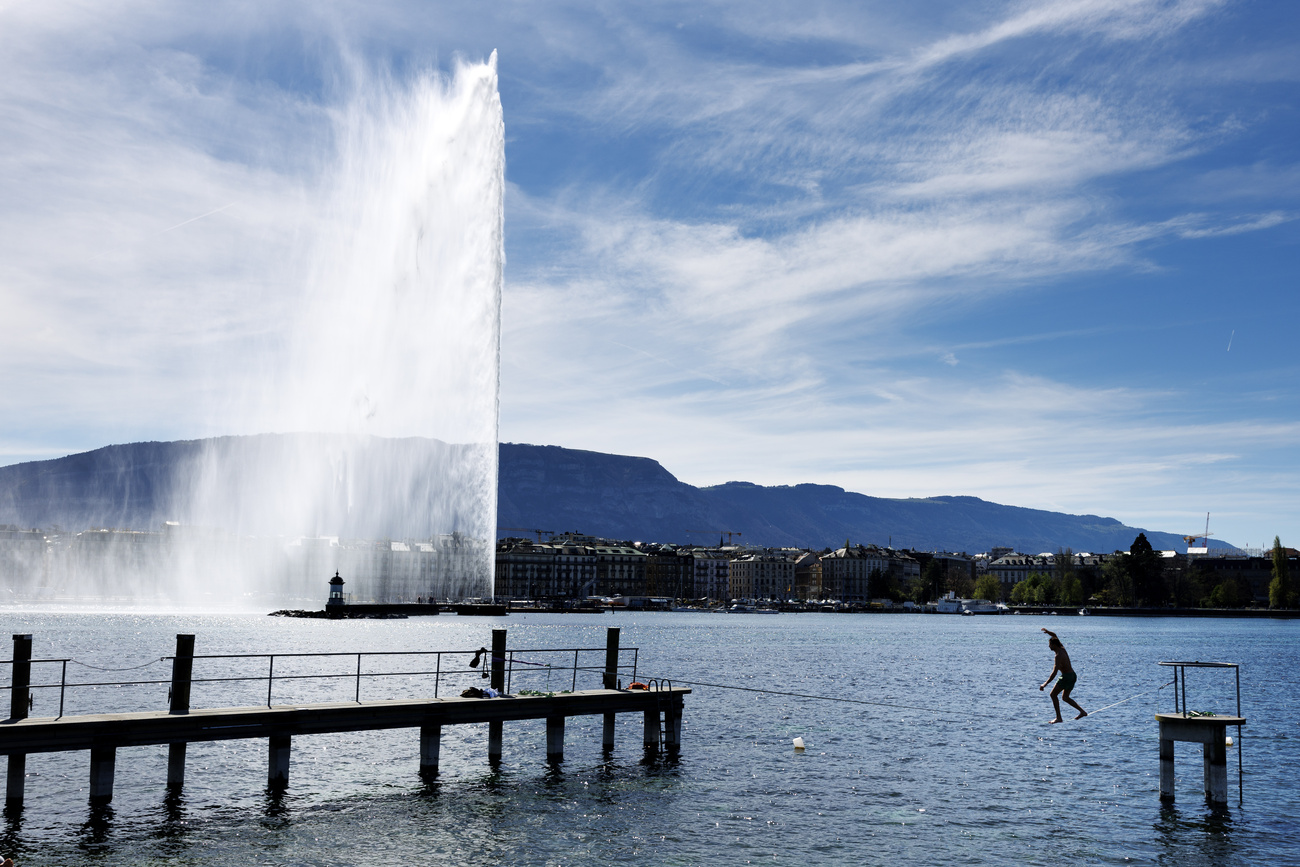
More
Ripple effect of aid freeze becomes real in Geneva
Barham Saleh of Iraq, who takes over as UNHCR head on January 1, faces a fight to keep the agency afloat.
The financial crisis of UNHCR
The United States, which for years covered around 40% of UNHCR’s budget, slashed its contribution. Other major donors, including Germany and the UK, also tightened their belts. Washington’s funding now stands at just over 40% of its 2024 contribution.
UNHCR expects to raise just $3.9 billion (CHF3.1 billion) this year – a quarter less than in 2024 – leaving it unable to support a third of the roughly 36 million people it currently helps. The agency has already reduced its workforce by a quarter, cutting more than 5,000 jobs.
Why was the UNHCR founded?
It was created after the Second World War to help displaced people, particularly in Europe, return home. The agency was only meant to last three years, but new refugee crises kept emerging, right up to today.
+ International Geneva in numbers
Alongside UNHCR, the international community agreed that people facing persecution needed stronger protection under the Geneva Refugee Convention. The 1951 treaty gives those fleeing persecution the right to seek refuge in other countries and obliges states to grant asylum. Poverty, hunger and natural disasters are not recognised grounds for asylum. Only those persecuted qualify as refugees; everyone else is classed as a migrant and does not receive special protection.
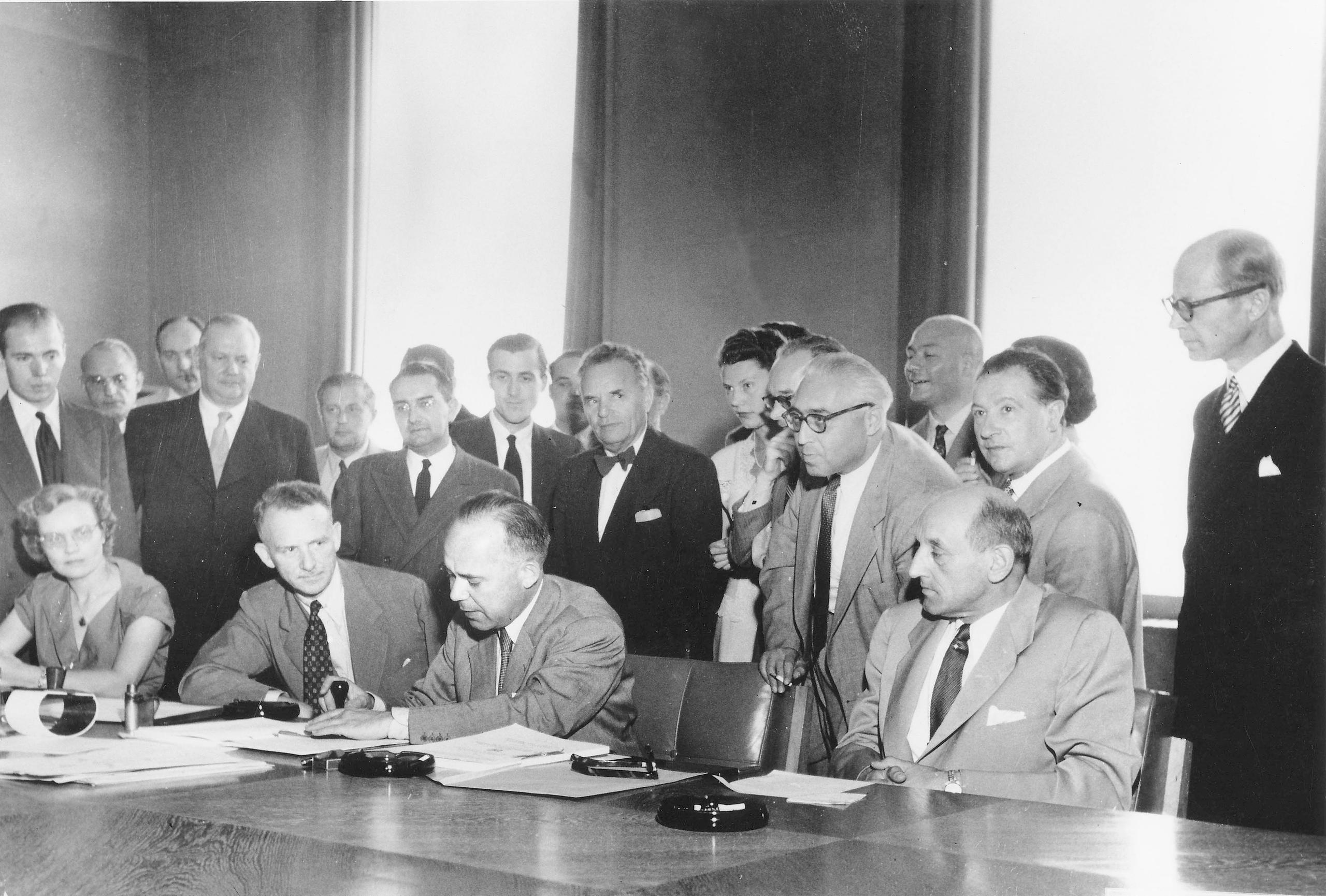
More
The UN Refugee Convention turns 70
Is the UN Refugee Convention outdated?
At the UN General Assembly in New York in September, the US called for reform of the asylum system to prevent people from using it to bypass immigration controls, according to the State Department.
Why should a government give more money to a refugee aid organisation?
UNHCR works to support people in need close to home. Around 71% of displaced people worldwide live in low- and middle-income countries near where they fled. “That can also help stop them from seeking refuge in Europe,” says Thorsten Klose-Zuber, Secretary General of NGO Help – Hilfe zur Selbsthilfe.
What consequences could the funding cuts in Europe have?
For Grandi, the warning is clear: “If humanitarian aid is cut, people will once again head for Europe.” He recalls 2015, when funding ran short and support for Syrian refugees in the Middle East had to be scaled back. This was one of the factors that drove millions to Europe in desperation that year.

More
Inside Geneva: pandemics and climate change, can multilateralism still work?
What happens if the solidarity consensus of 1950 fades?
“Back then, there was a clear consensus: we needed a system, a refugee convention and UNHCR to overcome the horrors of the world wars permanently,” says Klose-Zuber. “If we scrap that and everyone starts looking out only for themselves, there’s a real risk we slide back into catastrophe.”
What is your opinion? Join the debate:
External Content
Translated from German by AI/sp
We select the most relevant news for an international audience and use automatic translation tools to translate them into English. A journalist then reviews the translation for clarity and accuracy before publication.
Providing you with automatically translated news gives us the time to write more in-depth articles. The news stories we select have been written and carefully fact-checked by an external editorial team from news agencies such as Bloomberg or Keystone.
If you have any questions about how we work, write to us at english@swissinfo.ch

In compliance with the JTI standards
More: SWI swissinfo.ch certified by the Journalism Trust Initiative

You can find an overview of ongoing debates with our journalists here . Please join us!
If you want to start a conversation about a topic raised in this article or want to report factual errors, email us at english@swissinfo.ch.