








Switzerland Today
Hello from Bern,
ice cream for all on a day like this! The animals in Switzerland's biggest zoo were fed nut-, fruit- vegetable-, fish- and meat-flavours.
And here are the latest news and stories from Switzerland on Wednesday.


In the news: ethical hackers to boost government IT security, diphtheria cases in Bern, and a nuclear warning.
- Swiss President Ignazio Cassis has called for common efforts to reduce nuclear risks worldwide and avert humanitarian and environmental disasters. “Nuclear risks are higher than ever before since the end of the Cold War. We should agree on measures to enhance resilience in times of crisis,” he said. Cassis was speaking at a meeting in New York to review the 50-year-old Nuclear Nonproliferation Treaty. Switzerland and about 30 other countries have presented a working paper, including a package of measures for global disarmament and non-proliferation of nuclear weapons.
- After a pilot project in 2021, Swiss authorities now want to systematically draw on the skills of “ethical hackers” to find flaws in government IT systems. The finance ministry said standardised security tests are often no longer sufficient to uncover hidden loopholes in official websites or software components. As a result, a centralised platform for bug bounty programmes – initiatives which offer financial rewards to hackers to identify cyber vulnerabilities – will be set up and run by the National Cybersecurity Centre (NCSC).
- At least six people have been infected with diphtheria at a national centre for asylum seekers – the first known cases of the bacterial infection in Switzerland in nearly 40 years. None of the patients living in a centre in the capital, Bern, have serious respiratory symptoms, a spokesman for the State Secretariat for Migration said. The infected group of people were put in isolation and more than 170 other asylum seekers, notably unaccompanied minors, are in quarantine. The former hospital houses up to 350 people during the first phase of their asylum procedure.
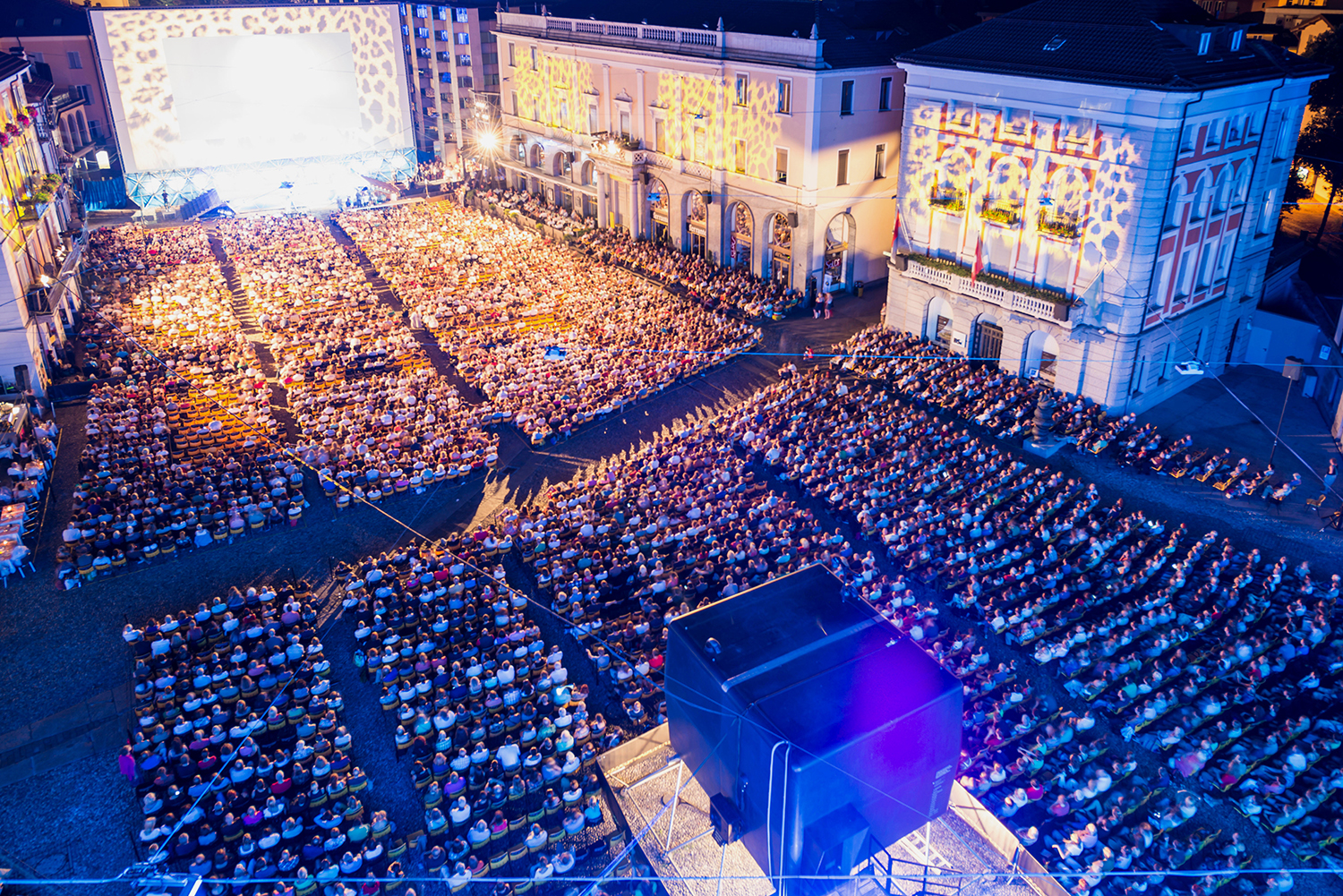
All eyes are on a town in southern Switzerland where the Locarno film festival gets rolling on Wednesday evening with the Hollywood Blockbuster, Bullet Train.
The ten-day event has been a fixture for culture buffs for decades with its Golden Leopard awards and numerous sideshows. And for its 75th anniversary edition, the real star is the 8,000-seat Piazza Grande open-air arena.
As swissinfo.ch film expert Max Borg says, the festival has always been a “grand celebration of cinema, with its unique blend of past, present and future” and the programme brings a wide selection of films chosen by the festival’s artistic director, Giona A. Nazzaro.
The Belgian-Swiss production Last Dance by Delphine Lehericey and Olivia Newman’s Where the Crawdads Sing have their world premieres in Locarno this year.
The list of special guests includes Greek director Costa-Gavras, American actor Matt Dillon and US artist Laurie Anderson.

Anniversary of another kind for Switzerland’s aviation history
August 3, 1947, was a special day for Swissair – the country’s former flagship airline. That day a DC-4 with 42 passengers on board took off from Zurich airport for Swissair’s first long-haul flight to South Africa.
It took more than 30 hours and four stops – in Cairo (Egypt), Khartoum (Sudan) and Lubumbashi (Congo) – before the plane arrived in Johannesburg. A delegation of Swiss emigrants welcomed the crew of the flight at each of the stops, as the the Neue Zürcher Zeitung newspaper describes in an anniversary article today.
The Johannesburg flight was the first Swissair plane to cross the equator and it went down in Swiss aviation history as the longest ever at the time.
These days, by the way, it takes just over ten hours to cover the 10,320 kilometres between Zurich and Johannesburg.
More


In compliance with the JTI standards
More: SWI swissinfo.ch certified by the Journalism Trust Initiative
