








Nestlé knew of tainted baby formula in November
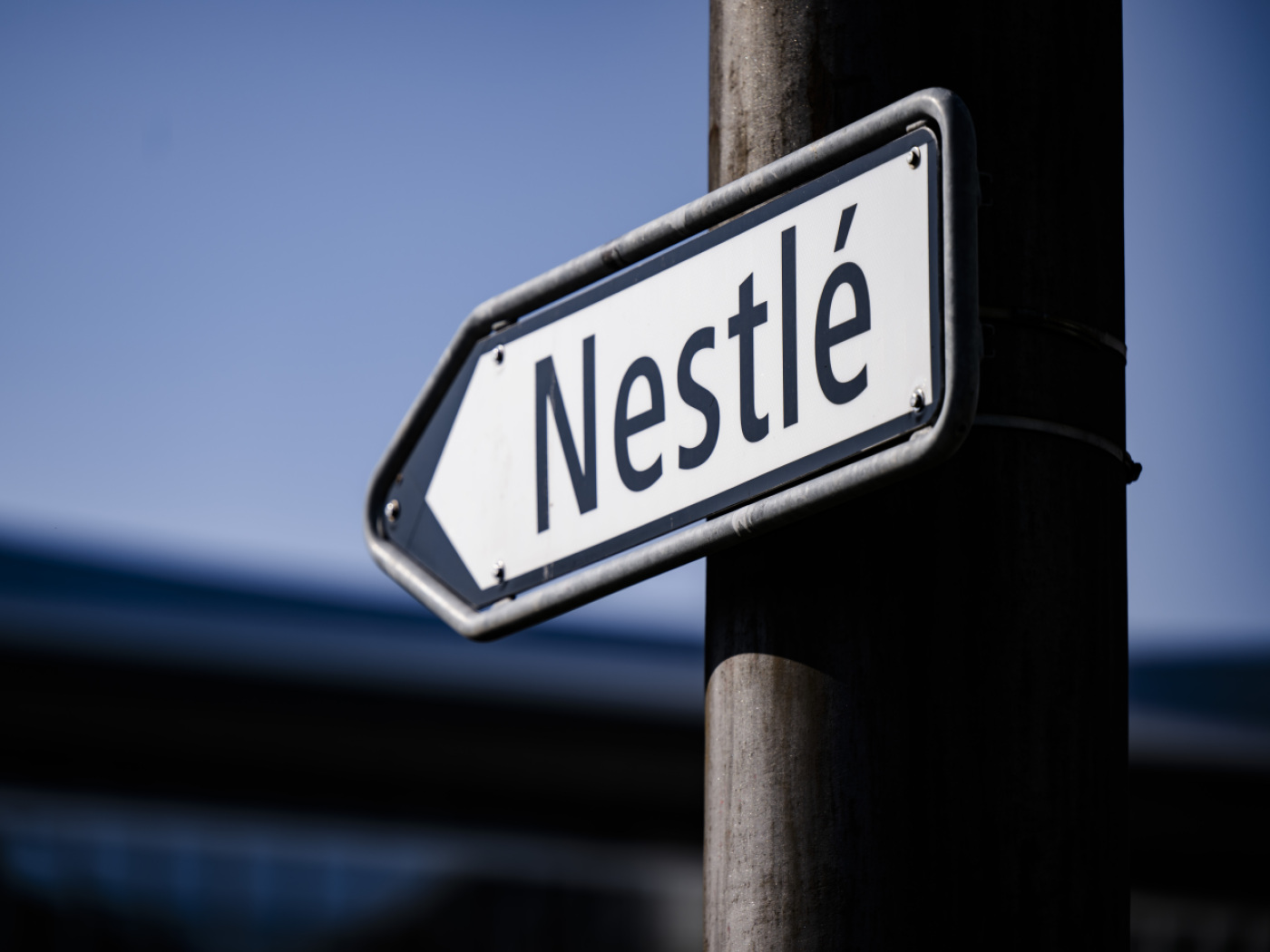
Swiss food giant Nestlé first detected the toxin cereulide in infant formula at a factory in the Netherlands at the end of November.
Select your language
Generated with artificial intelligence.
Listening:
Nestlé knew of tainted baby formula in November
+ Get the most important news from Switzerland in your inbox
But it took several weeks before the company could identify the original source. “At the end of November 2025, we detected very small quantities of cereulide in product samples as part of routine checks following the installation of new equipment on a production line at our factory in the Netherlands,” Nestlé outlined in a chronology of events.
+ Read about a management meltdown at Nestlé
Production on the affected line was subsequently halted. On December 10, Nestlé informed the Dutch authorities as well as 16 potentially affected country markets and the European Commission.
In the course of the further investigation, Nestlé realised that the contamination, which can cause vomiting and diarrhoea, did not originate from the production plant in the Netherlands, but from oil sourced from a third party. Nestlé had processed this oil in Switzerland and distributed it as a mixture to its plants worldwide.
Oil contaminated
According to Nestlé, the initial analysis results from its own laboratories on December 23 confirmed that the oil mixture was the source of the contamination. Nestlé was able to narrow down the contamination to oil deliveries in 2025. According to tests, deliveries from earlier years were apparently not affected.
This information was confirmed on December 29. This made it clear that it was not just a problem for Nestlé but for the entire industry that worked with the supplier in question.
Nestlé then informed the supplier, the authorities and the industry. From January 2, Nestlé informed the authorities in around 60 countries and the affected batches of infant formula were gradually recalled publicly.
Other manufacturers
Other baby food manufacturers such as the French company Danone and the Swiss food manufacturer Hochdorf also recalled certain products because they had worked with the same supplier. However, some of the recalls only took place two to three weeks later. The reasons for this are unclear.
The French newspaper Le Monde contradicts Nestlé’s account. The timetable given by the company is not correct, the newspaper claimed on Friday.
According to a “high-ranking source”, the oil enriched with arachidonic acid was already known to Nestlé on December 10 as the source of the contamination, which was immediately reported to the authorities.
More
Foodwatch files tainted baby formula complaint involving Nestlé
Translated from German by AI/mga
We select the most relevant news for an international audience and use automatic translation tools to translate them into English. A journalist then reviews the translation for clarity and accuracy before publication.
Providing you with automatically translated news gives us the time to write more in-depth articles. The news stories we select have been written and carefully fact-checked by an external editorial team from news agencies such as Bloomberg or Keystone.
If you have any questions about how we work, write to us at english@swissinfo.ch
External Content

In compliance with the JTI standards
More: SWI swissinfo.ch certified by the Journalism Trust Initiative

You can find an overview of ongoing debates with our journalists here . Please join us!
If you want to start a conversation about a topic raised in this article or want to report factual errors, email us at english@swissinfo.ch.