








Swiss authorities raise 2026 economic growth forecast
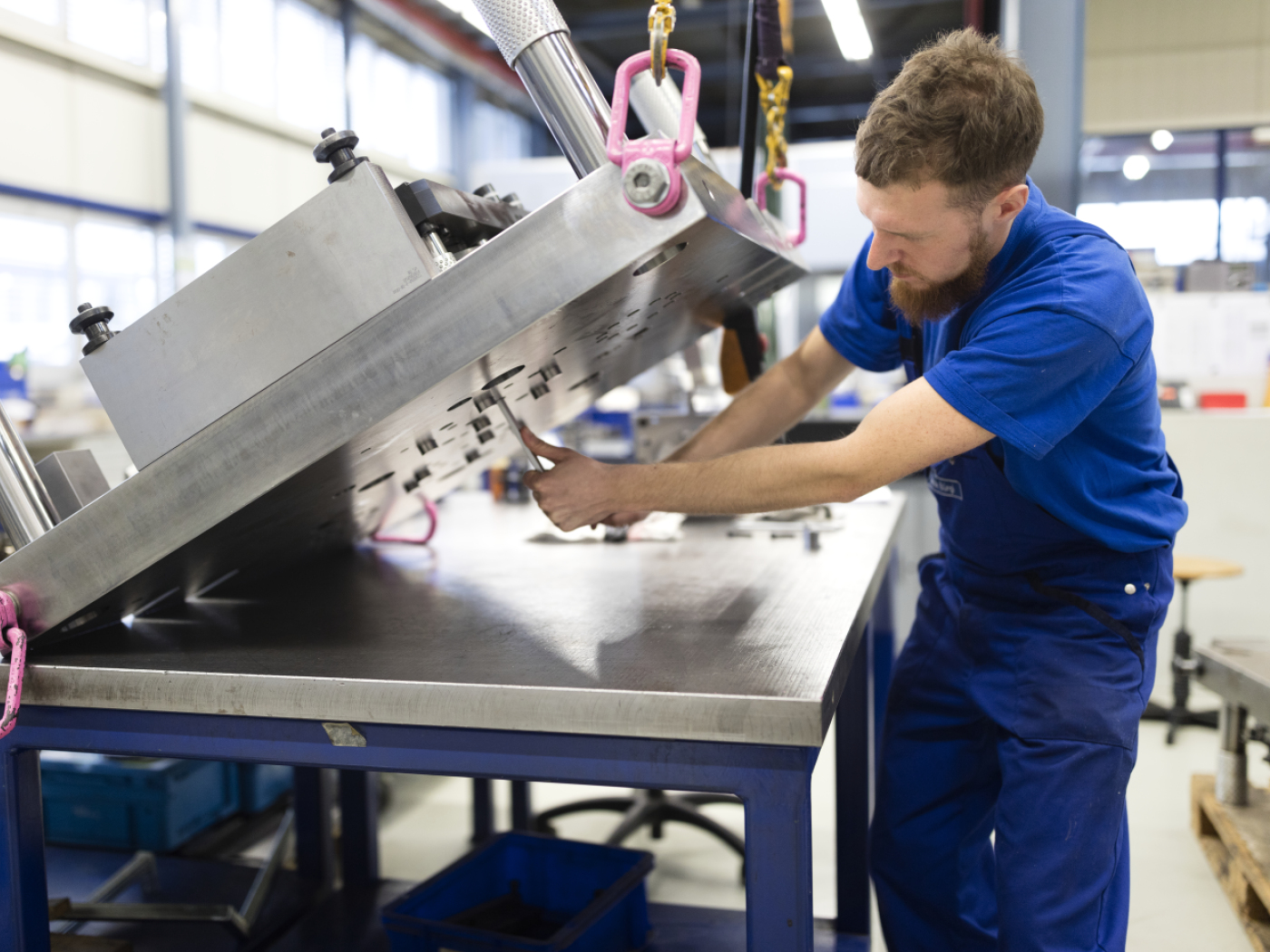
Switzerland's State Secretariat for Economic Affairs (SECO) has slightly raised its 2026 economic growth forecast following the recent agreement to lower US import tariffs on Swiss products.
Select your language
Generated with artificial intelligence.
Listening:
Swiss authorities raise 2026 economic growth forecast
+ Get the most important news from Switzerland in your inbox
Swiss gross domestic product (GDP) is expected to rise by 1.4% this year and 1.1% in 2026, according to official data published on Monday. In the last assessment, which dates back two months, the corresponding figures were +1.3% (for 2025) and +0.9% (for 2026). An initial estimate for 2027 is +1.7%.
The numbers shown have been corrected to taken into account sports events. These have a significant impact as Switzerland is home to many large international federations that collect billions of francs from the broadcasting rights to their tournaments. Based on gross indicators, GDP will grow by 1.2% in 2025, 1.4% next year and 1.4% in the following twelve months.
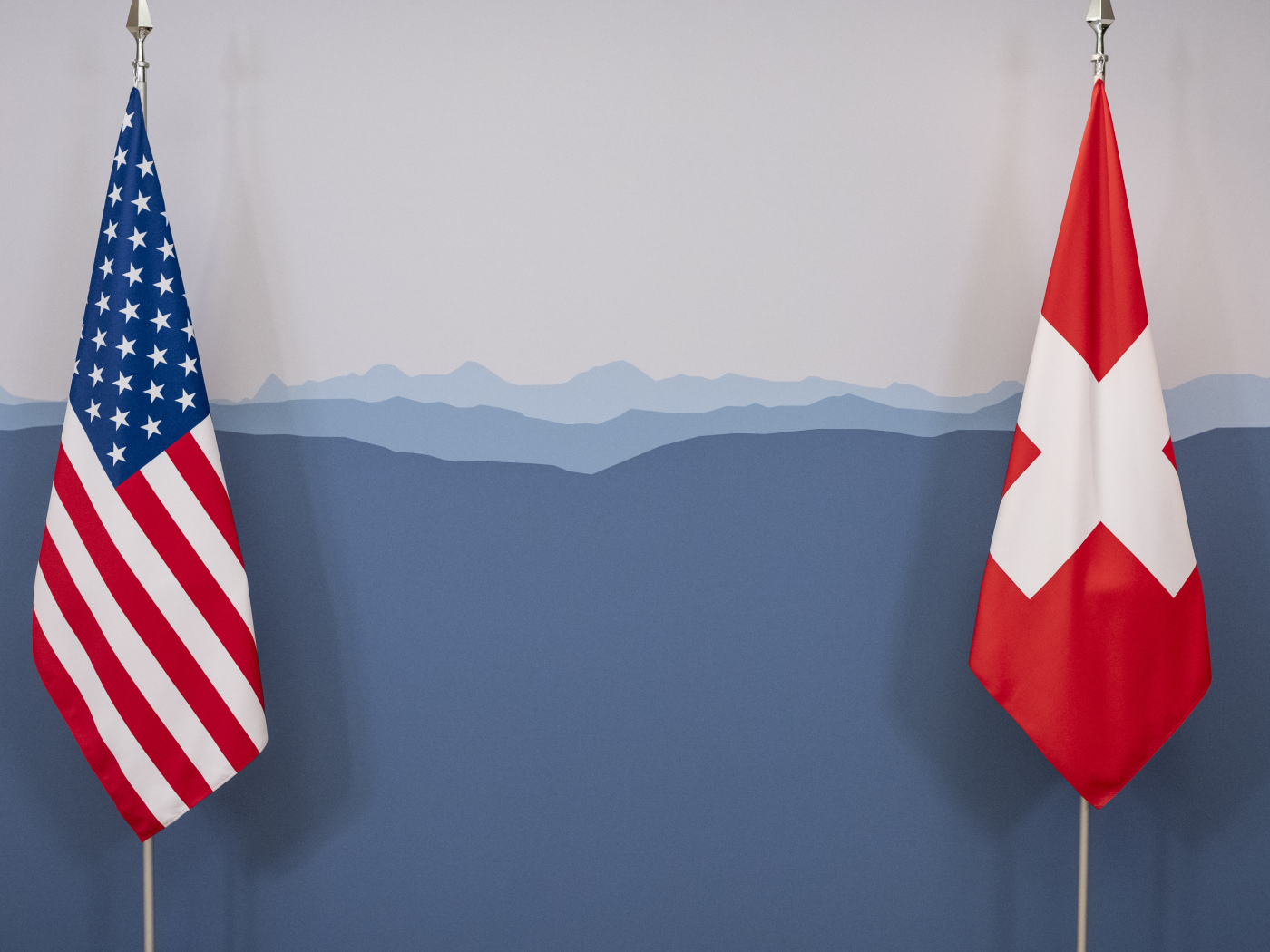
According to SECO, following the recent lowering of US tariffs, the prospects for the sectors and companies directly affected have improved and planning security has been strengthened. Bern agreed with Washington in November on a preliminary deal to lower US tariffs to 15% from 39%. But there remains great uncertainty globally with regard to trade and economic policy. The Swiss franc also continues to remain at high levels.
More
Modest economic growth forecasted for Switzerland in 2026
Over the next 12 months, foreign trade is expected to provide a positive, albeit moderate, impulse to growth, says SECO. Goods exports in the coming quarters are expected to be higher than forecast last October. It can also be assumed that domestic demand will make a decisive contribution to supporting the economy. Investment is also expected to be slightly higher, due to higher capacity utilisation.
Low inflation rates will also support real incomes: in both 2025 and 2026 inflation is expected to average 0.2% per year (October forecast: 0.2% this year, 0.5% next year). This should ensure a solid trend in private consumption expenditure. The unemployment rate should rise to 3.1% in 2026.
More
OECD expects only moderate Swiss economic growth
However, there are many potential problems, says SECO. In particular, a deterioration in the international environment cannot be ruled out. It says there is a high risk of corrections on financial markets and the dangers associated with global debt, in particular that of states, have increased further.
There are also balance sheet risks for financial institutions, risks on the real estate markets and geopolitical risks relating to armed conflicts in Ukraine and the Middle East. In this context, if the situation worsened, there would be further upward pressure on the Swiss franc.
What is your opinion? Join the debate:
External Content
Adapted from French by AI/sb
We select the most relevant news for an international audience and use automatic translation tools to translate them into English. A journalist then reviews the translation for clarity and accuracy before publication.
Providing you with automatically translated news gives us the time to write more in-depth articles. The news stories we select have been written and carefully fact-checked by an external editorial team from news agencies such as Bloomberg or Keystone.
If you have any questions about how we work, write to us at english@swissinfo.ch
External Content

In compliance with the JTI standards
More: SWI swissinfo.ch certified by the Journalism Trust Initiative

You can find an overview of ongoing debates with our journalists here . Please join us!
If you want to start a conversation about a topic raised in this article or want to report factual errors, email us at english@swissinfo.ch.