








Swiss heatwaves linked to 600 premature deaths

This summer's heatwaves caused around 600 excess deaths in Switzerland. Even people under 65 were affected.
Select your language
Generated with artificial intelligence.
Listening:
Swiss heatwaves linked to 600 premature deaths
Weekly mortality figures from the Federal Statistical Office (FSO) show just how severe the impact was during this summer, the hottest since records began in 1864. Between June and September, around 600 additional people died in Switzerland.
The first heatwave, at the end of June, proved the deadliest. This comes as no surprise to epidemiologist Martina Ragettli of the Swiss Tropical and Public Health Institute (Swiss TPH).
The first heatwave of the summer often has the strongest impact. “At the beginning of summer, we are not yet adapted to the heat,” says Ragettli. As the season progresses, the body gradually adjusts and is better able to cope with high temperatures.

More
Switzerland feels cost of record summer heat
What was unusual this year, however, was that there was not just one heatwave. After a brief respite in July, a second, longer-lasting heatwave arrived in early August.
People aged over 65 were the most affected. While tragic, this is not surprising, as older people are considered particularly vulnerable to extreme heat.
More people among the under-65s
What stands out, however, is that significantly more people under 65 died than usual during the second heatwave.
Ragettli believes this may be linked to the end of the holiday season. “It was back to everyday life, and people had fewer opportunities to protect themselves from the heat,” she says.
More
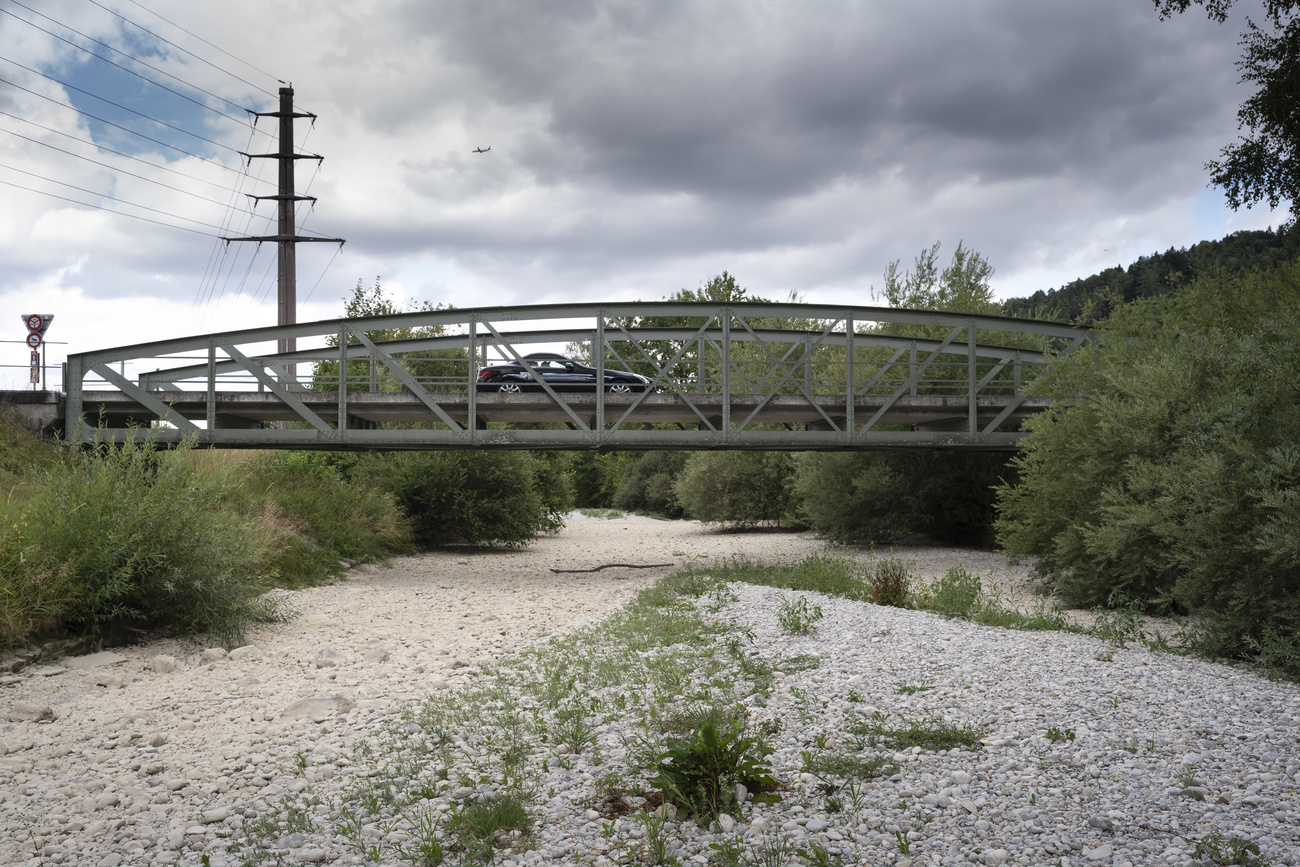
Drought in Switzerland: Europe’s ‘water tower’ runs dry
People had returned to construction sites, shops and care facilities. Those who work outdoors or spend long periods travelling often find it harder to escape the heat than those relaxing in an air-conditioned holiday setting.
However, this is only one of several possible explanations, the epidemiologist cautions. The duration and intensity of the heatwaves may also have played a role. Ultimately, these remain hypotheses, as there is no definitive evidence for any particular cause.
The reason is simple: none of these people officially died from heat. Death certificates typically list causes such as heart attacks or circulatory failure. Heat may have been the trigger, but it is not recorded as the diagnosis.
More precise data expected in 2027
The federal government’s weekly monitoring can identify unusually high mortality, but it cannot determine the exact cause. No other event besides the heat is known to explain the increase in deaths.
A more precise assessment can be made by combining mortality data with temperature records, as Swiss TPH does in its analyses. However, these more detailed results will not be published until spring 2027.

More
Why Switzerland is still not ready to face heatwaves
Until then, the long-term trend offers some perspective. The summer of 2003 remains the deadliest year for heat-related mortality in Switzerland. Since then, the number of heat-related deaths has generally declined, suggesting that measures such as heat warnings and protection plans are having an effect.
However, only eight of Switzerland’s 26 cantons have a comprehensive heat action plan. Responsibility for such measures lies with the cantons rather than the federal government, and Environment Minister Albert Rösti believes this should remain the case for now.
The statistics show that heat is no longer a risk only for older people. What ultimately caused each individual death remains uncertain.
What is clear, however, is that climate change is likely to make summers like this more frequent, not less.
+ How we produce news in English
Translated from German, reviewed by an English Department journalist.

In compliance with the JTI standards
More: SWI swissinfo.ch certified by the Journalism Trust Initiative

You can find an overview of ongoing debates with our journalists here . Please join us!
If you want to start a conversation about a topic raised in this article or want to report factual errors, email us at english@swissinfo.ch.