Drought in Switzerland: Europe’s ‘water tower’ runs dry
A lawn on the shores of Lake Biel, canton Bern, July 15, 2026.
Keystone / Christian Beutler
Boats in the Untersee, the western basin of Lake Constance, at Mannenbach-Salenstein, canton Thurgau, July 23, 2026.
Keystone / Gian Ehrenzeller
View of the Rhine at Stein am Rhein, canton Schaffhausen, July 30, 2026.
Keystone / Andreas Becker
The dried-up bed of the River Emme near Aefligen, canton Bern, July 13, 2026.
Keystone / Anthony Anex
The dry riverbed of the River Töss at Tablat, canton St Gallen, July 27, 2026.
Keystone / Gaetan Bally
A net installed over the Geisslibach river protects fish from the summer heat in Diessenhofen, canton Thurgau, July 30, 2026.
Keystone / Andreas Becker
Lake Les Brenets on the French-Swiss border, July 28, 2026. It is not only the drought that is causing the lake to dry up, but also water seeping into the subsoil.
Keystone / Jean-Christophe Bott
Dry pitches in Bern, July 27, 2026.
Keystone / Christian Beutler
A carpet of algae on the River Thur at Müllheim, canton Thurgau, July 30, 2026.
Keystone / Claudio Thoma
Parched fields in Wittinsburg, canton Basel Country, August 7, 2026.
Keystone / Georgios Kefalas
Cows grazing on the Suchet mountain pasture in Rances, canton Vaud, August 11, 2026.
Keystone / Laurent Gillieron
A wheat field in Val Müstair, canton Graubünden, July 31, 2026.
Keystone / Gian Ehrenzeller
A field of sunflowers in Stammheim, canton Zurich, July 30, 2026.
Keystone / Andreas Becker
Woods above Tüscherz, canton Bern, August 11, 2026.
Keystone / Christian Beutler
Forest above Le Landeron, canton Neuchâtel, August 5, 2026.
Fabrice Coffrini / AFP
Rivers reduced to trickles, scorched landscapes and forests taking on autumn colours weeks ahead of schedule: such scenes highlight the severity of a drought unmatched in Switzerland for decades.
This content was published on
I cover climate change and energy through reportages, articles, interviews and in-depth reports. I am interested in the impacts of global warming on everyday life and solutions for an emission-free planet.
Passionate about travel and discovery, I studied biology and other natural sciences. I have been a journalist for SWI swissinfo.ch for more than 20 years.
My work focuses on multimedia content formats. I produce videos and photos for SWI swissinfo.ch's various online channels and work as a picture editor.
I hold a bachelor’s degree in Multimedia Production and completed an apprenticeship as a mediamatician.
Since spring, Switzerland and much of Europe have been gripped by an exceptional drought. Between April 1 and July 31, around one-fifth of Switzerland’s monitoring stations recorded their lowest water levels for this period since measurements began, according to the Federal Office for the Environment.
In July, water scarcity affected 99% of Swiss territory, according to an AFP analysis based on the European Copernicus drought indicator. As of August 10, drought risk remained at the highest level across the country.
River flows have fallen well below the minimum levels recorded during the 1991-2020 reference period, with the Swiss Plateau and Jura particularly hard hit. In Basel, the Rhine’s average flow rate in July was even lower than during the summer of 2003, Switzerland’s hottest summer since records began in 1864.
Many lakes are also at unusually low levels for the time of year. On August 11, Lake Constance stood at 394.97 metres above sea level, 27 centimetres below the previous low recorded during the 1991-2020 period.
On August 19, Lake Zurich was at its lowest level since records began in 1951. This is hampering navigation and affecting certain sporting and leisure activities.
But the wider impacts of the drought are being felt across society. The drought is damaging crops and pastures, putting forests and aquatic ecosystems under pressure, disrupting energy production and reducing water availability. Several municipalities have introduced water-use restrictions, including bans on watering gardens and filling swimming pools.
Thunderstorms and scattered showers are forecast for the second half of August. But it would take prolonged and substantial rainfall to bring meaningful relief.
Below is a selection of our articles on the drought and heatwaves affecting Switzerland and the rest of Europe:
More
More
Climate adaptation
As heatwaves rise, Swiss climate concerns fall
This content was published on
Despite heatwaves and wildfires across Europe, most Swiss consumers say climate concerns do not influence their spending or investment decisions.
Switzerland is water-rich. So why are 151 towns rationing it?
This content was published on
Switzerland has more water than it uses. Yet this summer, at least 151 municipalities have banned residents from filling pools or watering gardens.
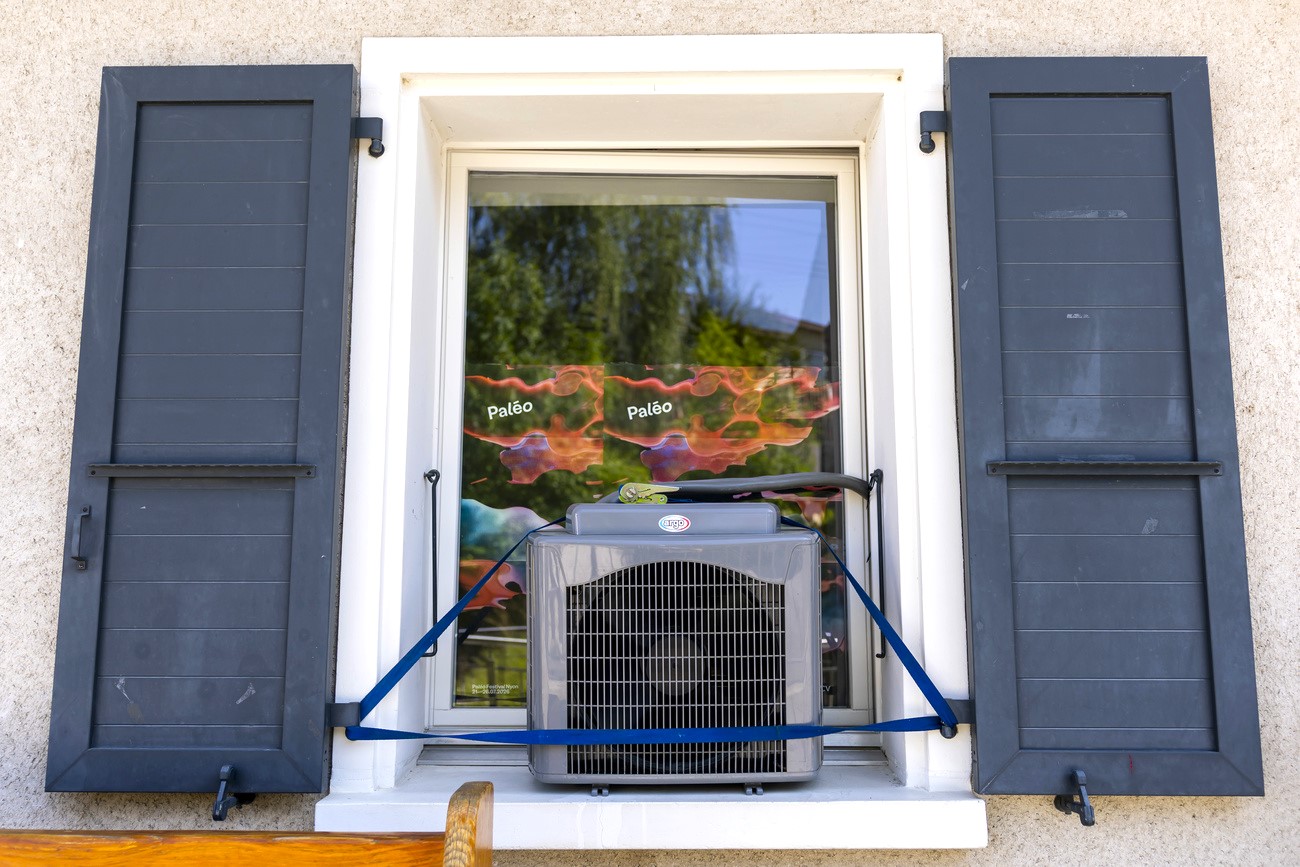
Switzerland’s new energy challenge: keeping cool in a warming climate
This content was published on
Swiss homes and cities were designed to cope with winter. But as summers heat up, people are now scrambling for ways to cool down. What does this mean for the electricity grid?
Sparse rainfall and heatwaves have put Switzerland on drought alert
This content was published on
Fifty years after the “drought of the century”, Switzerland is facing into summer 2026 with unusually low water reserves. Some simple measures can prevent critical situations.
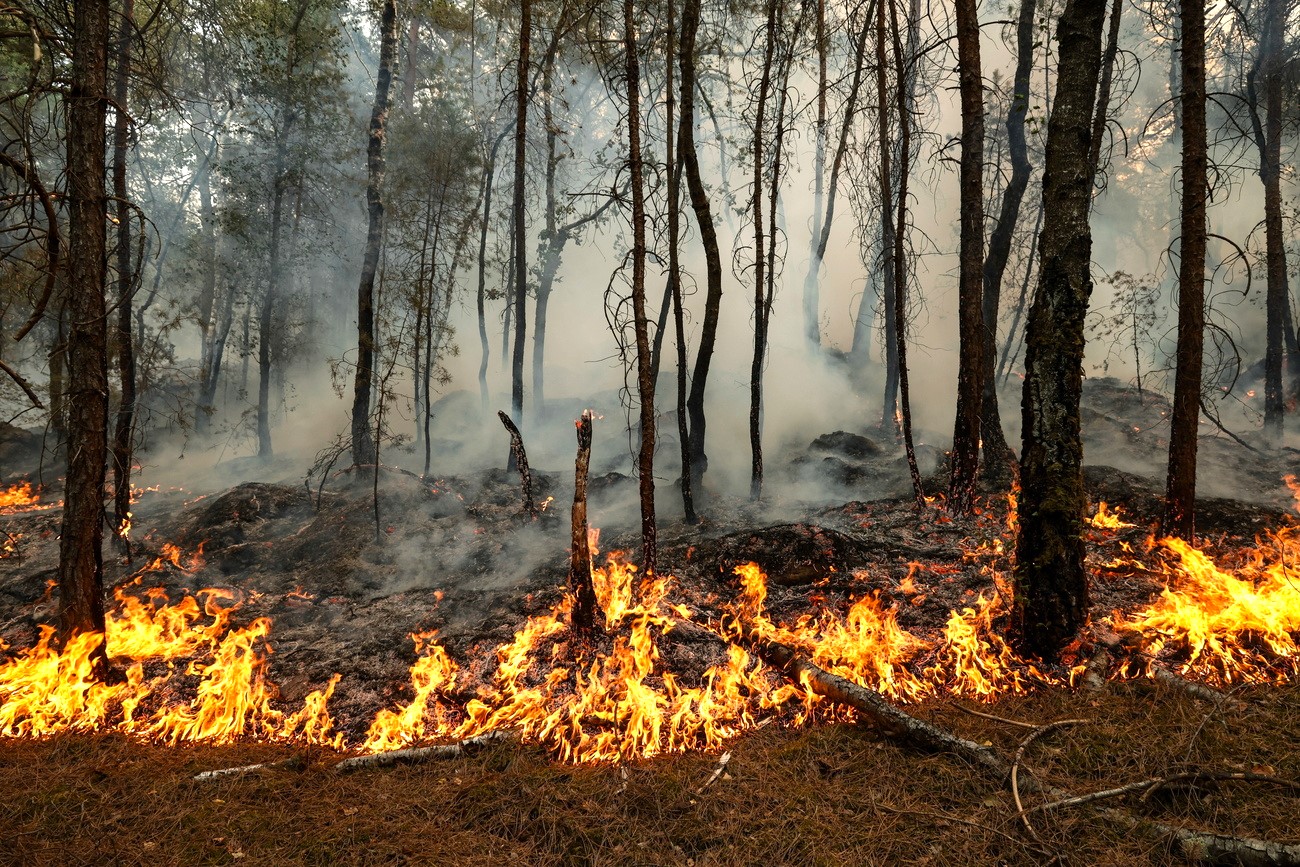
How to prevent wildfires in Switzerland and Europe
This content was published on
With risk levels high across much of Switzerland, an expert explains why the wildfire season started early in Europe this year and what can help the situation.
What Switzerland needs to learn from earlier and longer heatwaves
This content was published on
The exceptional heatwave in June highlighted the difficulties in coping with these new climatic extremes, says climatologist Sonia Seneviratne.











You can find an overview of ongoing debates with our journalists here . Please join us!
If you want to start a conversation about a topic raised in this article or want to report factual errors, email us at english@swissinfo.ch.