








Truth or tale: can pharma companies set prices for new drugs as high as they want?
Series Truth or tale, Episode 11:
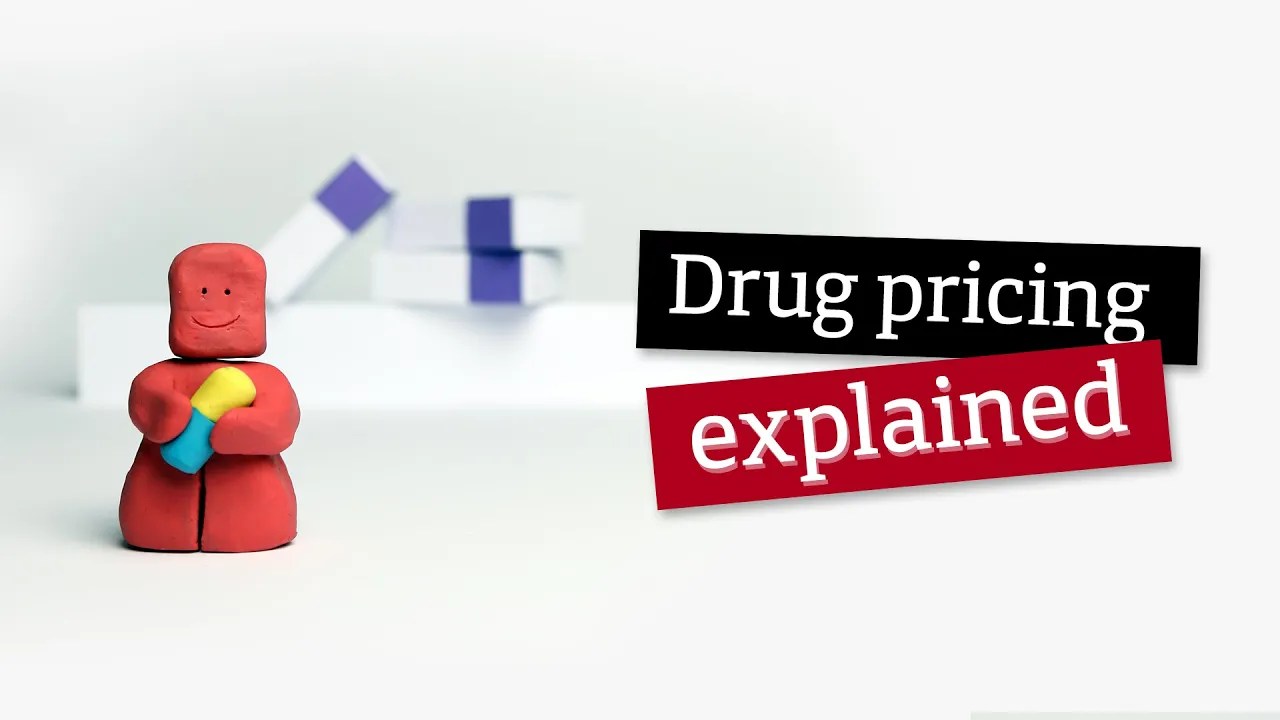
Ongoing discussions around drug prices prompted some Swissinfo readers to ask if it's true that pharma companies can set prices for new drugs as high as they want.


+ The high stakes fight over drug prices
When a pharmaceutical company launches a new drug, they have an exclusive right to produce and sell it for a period of time. This gives them a lot of power to name their price. However, there are limits to this.
Companies come up with a price using various methodologies but that isn’t the final price when a drug is reimbursed by a payer such as a national health system or insurer.
In Switzerland, for example, authorities assess a drug’s proposed price and efficacy against existing treatments and reference prices in comparable countries. Negotiations then take place to determine a maximum price, though failure to agree can result in the drug not being covered by basic insurance.
+ The drug-pricing problem no one wants to talk about
Authorities in countries like the UK and Sweden also weigh broader economic and patient benefits, such as reduced hospital stays, when deciding if a drug’s price is justified.
+ Paying to survive – the deadly toll of breast cancer in Kenya
Government involvement in pricing is widespread in other places, from Brazil to Canada and China.
The US, however, has historically allowed insurers, middlemen, and pharmaceutical firms to set prices, though recent reforms have given the government a greater role in federal insurance schemes like Medicare.
Video text edited by Virginie Mangin

You can find an overview of ongoing debates with our journalists here . Please join us!
If you want to start a conversation about a topic raised in this article or want to report factual errors, email us at english@swissinfo.ch.