








Swiss minister seeks EU collaboration on migration and crime

Swiss federal councillor and minister of the interior, Beat Jans wants to solve Switzerland's problems around migration and international crime with partners from the European Union (EU). Jans will be attending the meeting of EU interior and justice ministers in Brussels on Monday and Tuesday.
“The issue of migration, the protection of the Schengen area’s external borders and the fight against international crime can best be solved together with Switzerland’s neighbours,” said Jans on his arrival in Brussels on Monday.
Europe has been facing a huge challenge around migration. Switzerland and it European neighbors, must prepare themselves for the challenge.
Switzerland resolute about human rights
Closely linked to migration is the protection of the Schengen area’s external borders. A report on the Schengen area’s external borders will be discussed at the meeting. This is a positive step forward, says Jans, as it shows that the Schengen states attach great importance to fundamental rights. The new management of the border protection agency Frontex also wants to do something about so-called “pushbacks”.

More
Swiss agree to boost funding of European border agency
Jans added that Switzerland would only be prepared to play a greater role in Frontex if human rights were respected. This issue is being discussed in the Swiss parliament. Two years ago, the Swiss electorate approved a financial contribution to Frontex.
Data exchange for crime prevention
In the area of international crime prevention, Switzerland could adopt specific measures from the EU. This primarily involves the exchange of data. In this context, Switzerland would like to exchange air passenger data with the EU, among other things. Negotiations on this are due to start soon.

More
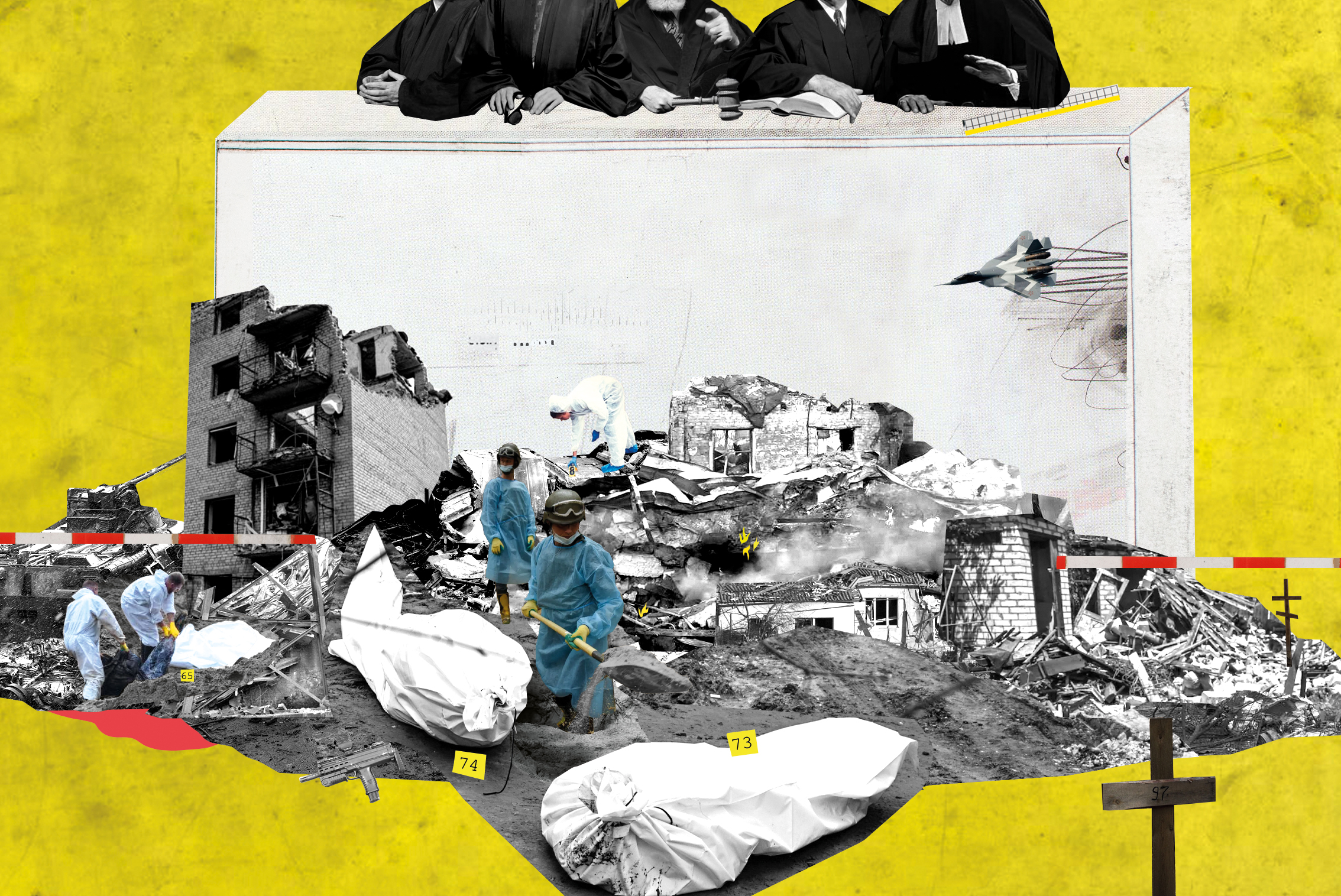
Explainer: International crimes and the Ukraine war
As a member of the Schengen agreement, Switzerland participates in the Justice and Home Affairs Council. It is normally represented by the head of the ministry of the interior. The Council meets several times a year.
Adapted from German by DeepL/dkk/amva
This news story has been written and carefully fact-checked by an external editorial team. At SWI swissinfo.ch we select the most relevant news for an international audience and use automatic translation tools such as DeepL to translate it into English. Providing you with automatically translated news gives us the time to write more in-depth articles.
If you want to know more about how we work, have a look here, and if you have feedback on this news story please write to english@swissinfo.ch.
External Content


See more Swissinfo articles in your Google results. Learn more

In compliance with the JTI standards
More: SWI swissinfo.ch certified by the Journalism Trust Initiative

You can find an overview of ongoing debates with our journalists here . Please join us!
If you want to start a conversation about a topic raised in this article or want to report factual errors, email us at english@swissinfo.ch.