








Switzerland faces a steep energy bill due to the Middle East conflict

Series Switzerland and fossil fuels, Episode 2:
The global rise in oil prices due to the conflict in the Middle East has made the import of fossil fuels more expensive. For Switzerland, the additional energy costs could amount to nearly CHF5 billion ($6.3 billion) per year, according to a researcher.
Select your language
Generated with artificial intelligence.
Listening:
Switzerland faces a steep energy bill due to the Middle East conflict

The military escalation in the Persian Gulf is driving up the prices of fossil fuels. The energy crisis also has heavy repercussions for households and the Swiss economy.
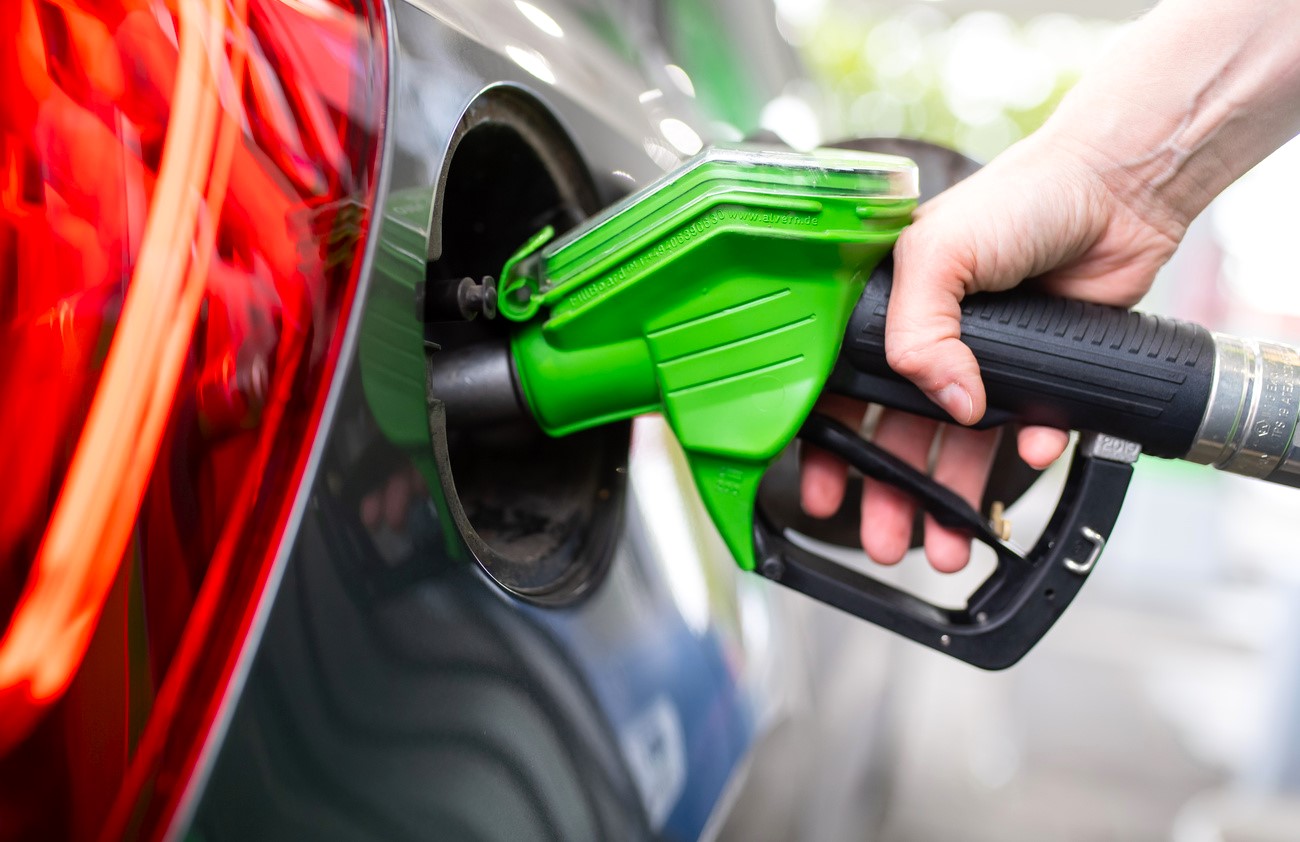
Anyone travelling by car or heating their home can feel the impact of the conflict in the Middle East. The price of diesel has surpassed CHF2 per litre — something that had not happened since 2022, after Russia’s invasion of Ukraine — and petrol prices have risen by more than CHF0.20 since the beginning of March. The steepest increases affect kerosene, whose price has more than doubled since the start of the military operations, and heating oil, which has gone from CHF100 to CHF150 per 100 litres.
More
US oil buoys Swiss fossil fuel needs amid Middle East conflict
If the prices of petrol, diesel, heating oil, kerosene and natural gas were to remain at their March 23 levels for a full year, the additional energy costs for Swiss consumers would add up to CHF4.9 billion francs, writes Cyril Brunner, a researcher at the Swiss federal technology institute ETH Zurich, on his LinkedInExternal link page. Brunner arrived at this figure by accounting for price increases and extrapolating the expenses over annual consumption, he told the Tages‑Anzeiger.
On average, this would correspond to CHF1,200 per household, Brunner estimates. Of the CHF4.9 billion, CHF570 million would remain in Switzerland, while CHF4.3 billion would flow abroad to oil and gas suppliers. For comparison, after Russia’s invasion of Ukraine, the bill for fossil fuel imports increased by around CHF3 billion.

More
Switzerland’s fossil fuel dependence explained
According to Brunner, the figures highlight the vulnerability created by dependence on fossil fuels. “A Switzerland less dependent on fossil energy would be less exposed to this type of geopolitical crisis.”
Switzerland purchases all the fossil fuels it consumes from abroad, as it cannot rely on domestic resources. Oil‑based products and gas cover more than half of the country’s energy needs.
External Content
More public transport if petrol exceeds CHF2 barrier
In Switzerland electricity and gas bills weigh least on household budgets. The same applies to petroleum products. Nevertheless, the population remains highly sensitive to petrol and diesel prices, according to Vincent Kaufmann, professor of urban sociology and mobility analysis at the federal technology institute EPFL in Lausanne.
A rise in fuel prices at service stations affects primarily those with limited budgets, Kaufmann told the newspaper La LibertéExternal link. “Among these people, we observe changes in habits. For example, car‑sharing is on the rise.”
If petrol were to exceed CHF2 and remain at that level for six months, a shift toward public transport would be possible, Kaufmann says. Some drivers might take that step. “This is even more true for short trips, where tariff‑zone pricing helps reduce costs.”.
Switzerland has pledged to phase out fossil fuels and continue the transition to renewable energy sources. At the latest United Nations Climate Conference (COP30), more than 80 countries, including Switzerland, called for a clear roadmap for turning away from fossil fuels.
At the same time, Switzerland remains heavily dependent on oil and gas imports, especially for transport and building heating. This series analyses Switzerland’s energy dependency and its somewhat ambiguous relationship with fossil fuels in the international context.
Swiss are used to low petrol prices
The Touring Club Switzerland (TCS) downplays the impact of rising fuel prices in the country: prices have returned to levels seen more than a decade ago, said Moreno Volpi, a member of the organisation’s steering committee, in an interview with the French‑language Swiss broadcaster RTSExternal link.
“In fact, consumers have become accustomed to relatively low prices over the past two years, because prices dropped to CHF1.50 per litre. Today we are back to levels we experienced between 2010 and 2015,” he said, recalling that prices reached CHF2.20 after the outbreak of the Ukraine war. According to Volpi, what matters today is less the absolute price level than the speed of the price increase.

The war is hurting the Swiss economy
The additional costs of car travel, heating buildings and air travel are not the only economic consequences of the war: indirectly, the Middle East conflict is also increasing inflation and slowing economic growth in Switzerland.
Inflation for 2026, initially forecast at 0.3%, is expected to reach 0.6%, according to economists at BAK Economics. “The increase will remain well below levels recorded abroad, but the change will still be significant by Swiss standards, particularly due to rising energy and import costs,” writesExternal link BAK.
The impact on growth is more modest: gross domestic product will rise by 0.8% in 2025, compared to the previously estimated 0.9%. For 2027, the forecast has changed from 1.5% to 1.4%.
More

Edited Reto Gysi von Wartburg/ac

In compliance with the JTI standards
More: SWI swissinfo.ch certified by the Journalism Trust Initiative

You can find an overview of ongoing debates with our journalists here . Please join us!
If you want to start a conversation about a topic raised in this article or want to report factual errors, email us at english@swissinfo.ch.