








Parliament seeks limit on Switzerland’s wolf population

Lawmakers wants to set an upper limit on the size of the wolf population in Switzerland. If this threshold is exceeded, it should be possible to cull wolves in the affected region.
Select your language
Generated with artificial intelligence.
Listening:
Parliament seeks limit on Switzerland’s wolf population
After a vote in the Senate, the House of Representatives also passed a motion to this effect on Wednesday.
The lower chamber approved the motion tabled by Fabio Regazzi, a Centre Party senator from canton Ticino, by 116 votes to 73, with 6 abstentions. The Senate had already given its approval during the spring session. The Federal Council must now draw up a proposal on how to implement the plan; it has agreed to the mandate.
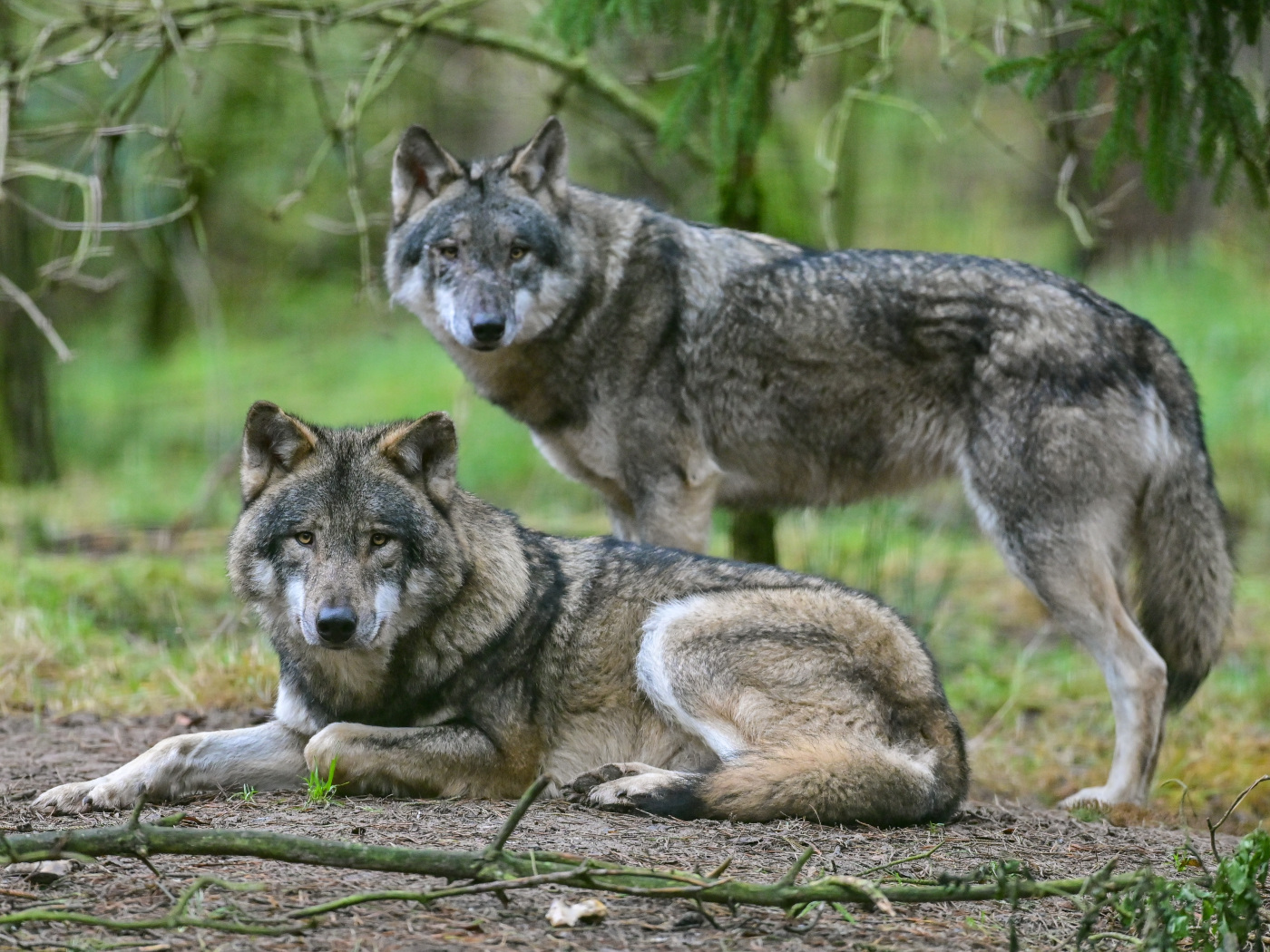
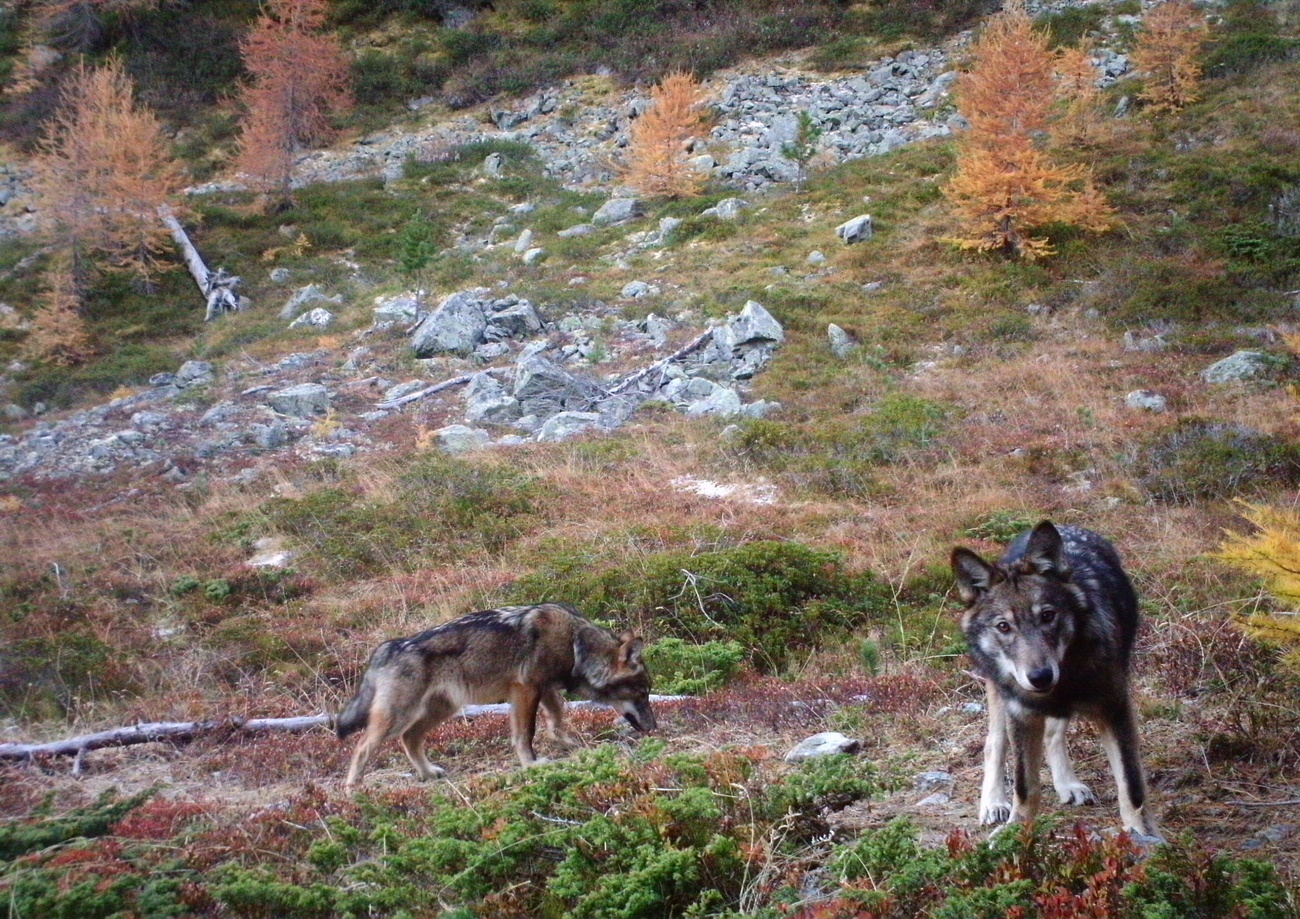
In recent years, the wolf population in Switzerland has grown exponentially, according to Regazzi’s motion. It stated: “In 2010, there were around a dozen wolves in our country; today there are well over 300 and more than 30 packs.” The consequences for Alpine farming are becoming increasingly serious and are threatening traditional pastoral farming.
More
Number of wolf packs in Switzerland has risen to 43
The current system, which provides for case-by-case culling permits issued by cantonal and federal authorities, has proved to be too slow, too complicated and ineffective, says Regazzi.
Parliamentarians in the House of Representatives preliminary committee, comprising members of the left-wing Social Democrats and Greens, unsuccessfully opposed the motion. They argued that the current wolf management framework already provided many new instruments to act and that their effectiveness must first be assessed. Increased support for Alpine farmers or faster culling procedures would be more effective than a cap, they argued.
Environment Minister Albert Rösti said the Federal Council would implement the motion by amending legislation. This would allow parliament to have their say again on the issue at a later date and – in the event of a referendum – the Swiss public will be able to also give their views.
Join the debate:
External Content
More
How many wolves are good for Switzerland?
+ How we produce news in English
Translated from German, reviewed by an English Department journalist.

In compliance with the JTI standards
More: SWI swissinfo.ch certified by the Journalism Trust Initiative

You can find an overview of ongoing debates with our journalists here . Please join us!
If you want to start a conversation about a topic raised in this article or want to report factual errors, email us at english@swissinfo.ch.