








How a pensioner from canton Vaud was tricked by a fake Brad Pitt
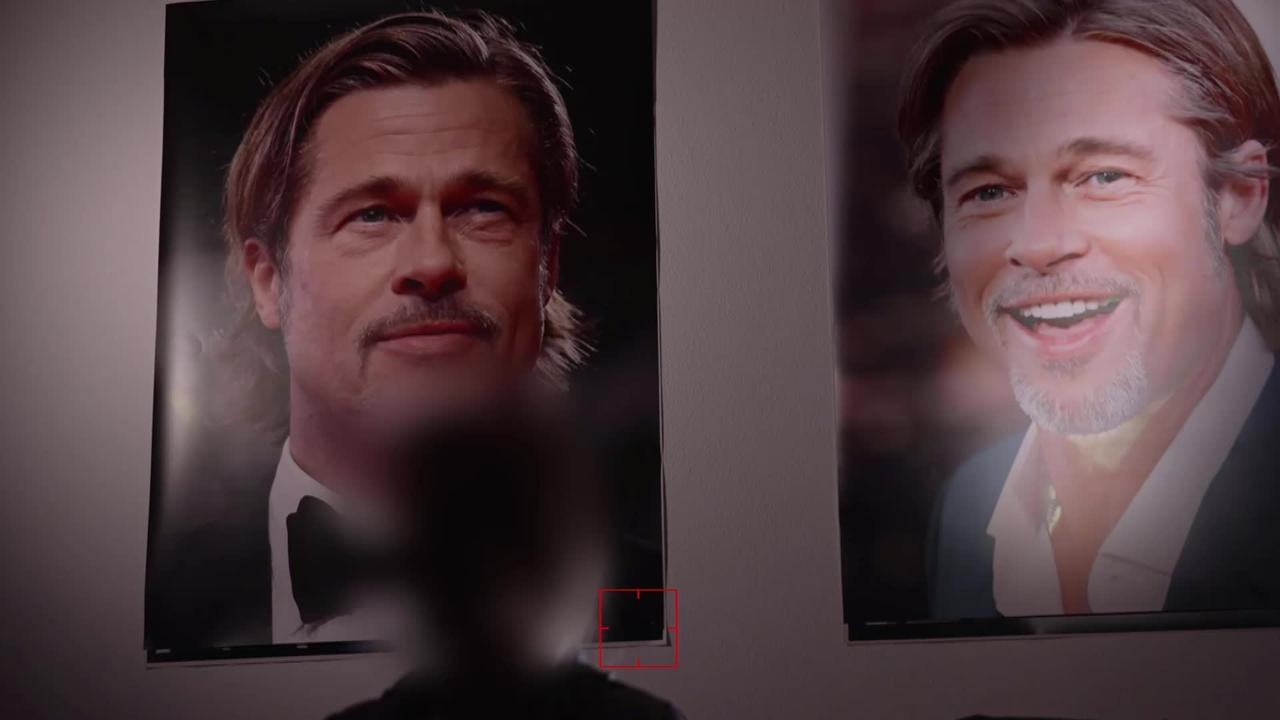
For months, a pensioner in canton Vaud was convinced she had fallen in love with Brad Pitt. In reality, she had been targeted by a scammer who ultimately stole tens of thousands of francs from her. She recounts her story on the RTS programme Mise au Point.
Select your language
Generated with artificial intelligence.
Listening:
How a pensioner from canton Vaud was tricked by a fake Brad Pitt
It all began for Patricia in May 2024. While visiting Brad Pitt’s official Instagram page, she was contacted by someone claiming to be the American actor’s manager, asking whether she wished to be put in touch with him. Patricia agreed. “We started communicating normally, like two people meeting, gently,” she says.
Days turned into weeks. Patricia and the fake Brad exchanged increasingly intimate messages. “He asks me lots of questions – how I feel, how I see life – and one day he tells me that he’s in love with me,” she tells the Swiss public television RTS.
The scammer insisted that their relationship remain discreet but simultaneously flooded her with affection. “My love, you’re my everything now and forever,” he wrote. Patricia admits: “It felt like a real relationship was taking root, so I allowed myself to slide into that feeling.”
The scam begins
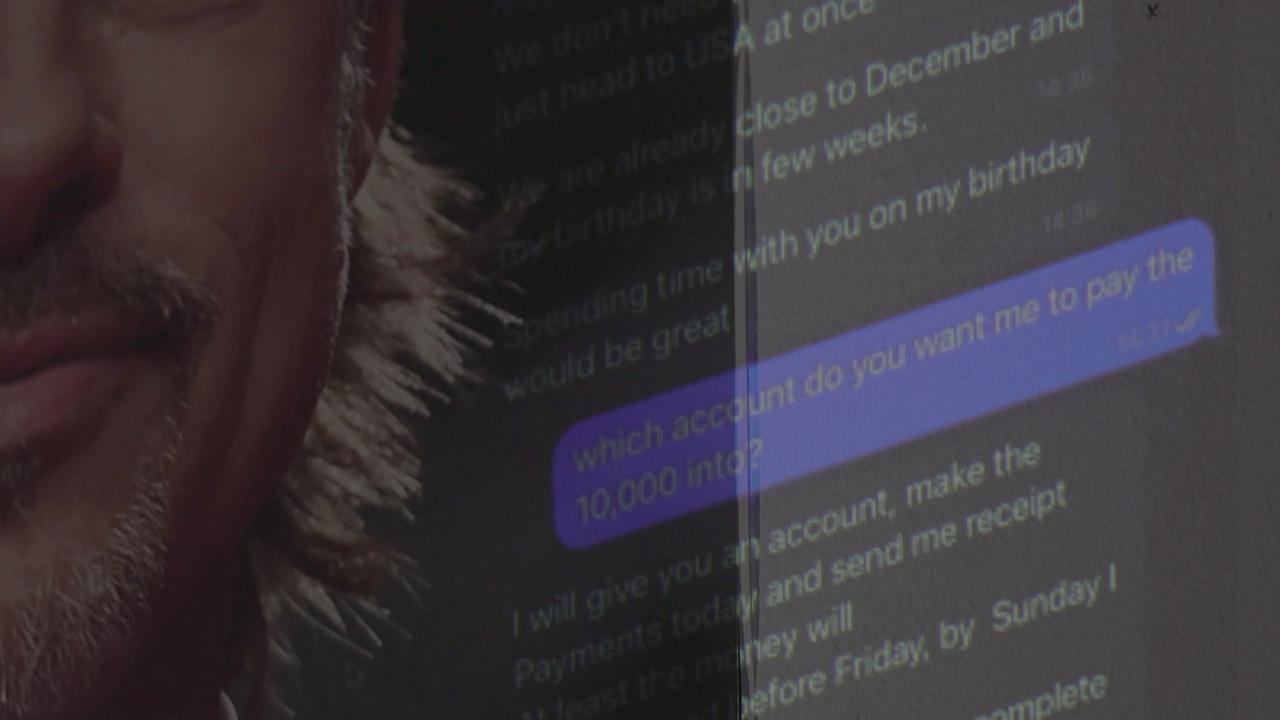
After a while, the scam takes shape. The two “lovers” want to meet. But the fake Brad Pitt asks for a large sum of money, which he justifies in a text message: “Baby, my manager is asking for $50,000.”
He explains to Patricia that this is the same fee for anyone who wants to meet him. At first, she refuses, but it’s only a matter of time.
“I said to myself, ‘Well, maybe it’s the way they do things… I’ve never been in contact with an actor”. So she made an initial payment of $30,000, then a further $20,000, convinced that their meeting would finally take place.
A downward spiral
In late summer 2024, the real Brad Pitt attended the Venice Film Festival to promote his new film with George Clooney. Patricia believed the moment had come. “I pack a little luggage, hoping he’ll tell me to come.”
He did not. Instead, the scammer sent flowers and a note: “I love you so much baby. I can’t wait to spend the rest of my life with you. Pitt” (sic).
Patricia was caught in what psychologists call commitment bias: after investing so much, turning back becomes emotionally and mentally difficult. The scammer — or “scrambler”, the term used for romance scammers operating online — demanded an additional $10,000 for supposed medical fees, then another $10,000.
A former medical assistant, Patricia was far from wealthy, yet the pressure was overwhelming. “I was under so much stress that I let myself be tricked into going to the bank and paying,” she says – driven by the false certainty that Brad Pitt loved her.
The “affair” took an even more tragic turn. The fraud escalated. The scammer urged her to come to the United States. Patricia flew to Los Angeles, where she waited three weeks alone in a hotel, drinking cocktails and hoping to meet her supposed partner. Before returning to Switzerland, she had forked out another $20,000.
The complaint
Back home, Patricia read an article about Anne, a French woman defrauded of more than €800,000 (CHF746,548) by a Brad Pitt impostor. The similarities unsettled her, though she still did not fully recognise the deception. The realisation came days later.
At the end of her rope, she went to the police. “When I arrived and said ‘I think I’ve been conned’, I couldn’t even pronounce Brad Pitt’s name. The officer asked whether the amount was significant. I said yes – almost CHF100,000.”
Patricia filed a complaint, ending nearly a year of believing in a love story that never existed. Now she is trying to rebuild her life. The emotional fallout, she says, runs deeper than the financial loss. “There’s an indescribable shame. I know I spent almost a year in a relationship that wasn’t real. You think: how could I have allowed myself to be abused in this manner?”
External Content
This type of scam has been on the increase in Switzerland for some time now. In the canton of Vaud alone, several dozen complaints have been recorded since the start of the year, totalling more than CHF2.4 million ($2.98 million) in financial losses, according to the Vaud police.
According to Pascal Fontaine, head of the crime prevention division, these figures are probably underestimates: “Obviously, we have a lot of victims who don’t dare come forward to lodge a complaint because they feel guilty,” he explained on television.
And the police officer warns victims that they generally have to accept they will not get their money back: “This money very quickly changes continents, it leaves the European banking circuit. At that point, we have no chance of getting our hands on it”.
As for the people behind the scams, they are also hard to track down. Very often, the crooks come from West African countries. Patricia has hired a private detective to try and track down her “scammers”. According to the detective, they are somewhere in Nigeria.
Translated from French using DeepL/Amva

In compliance with the JTI standards
More: SWI swissinfo.ch certified by the Journalism Trust Initiative

You can find an overview of ongoing debates with our journalists here . Please join us!
If you want to start a conversation about a topic raised in this article or want to report factual errors, email us at english@swissinfo.ch.