








Science fiction and politics
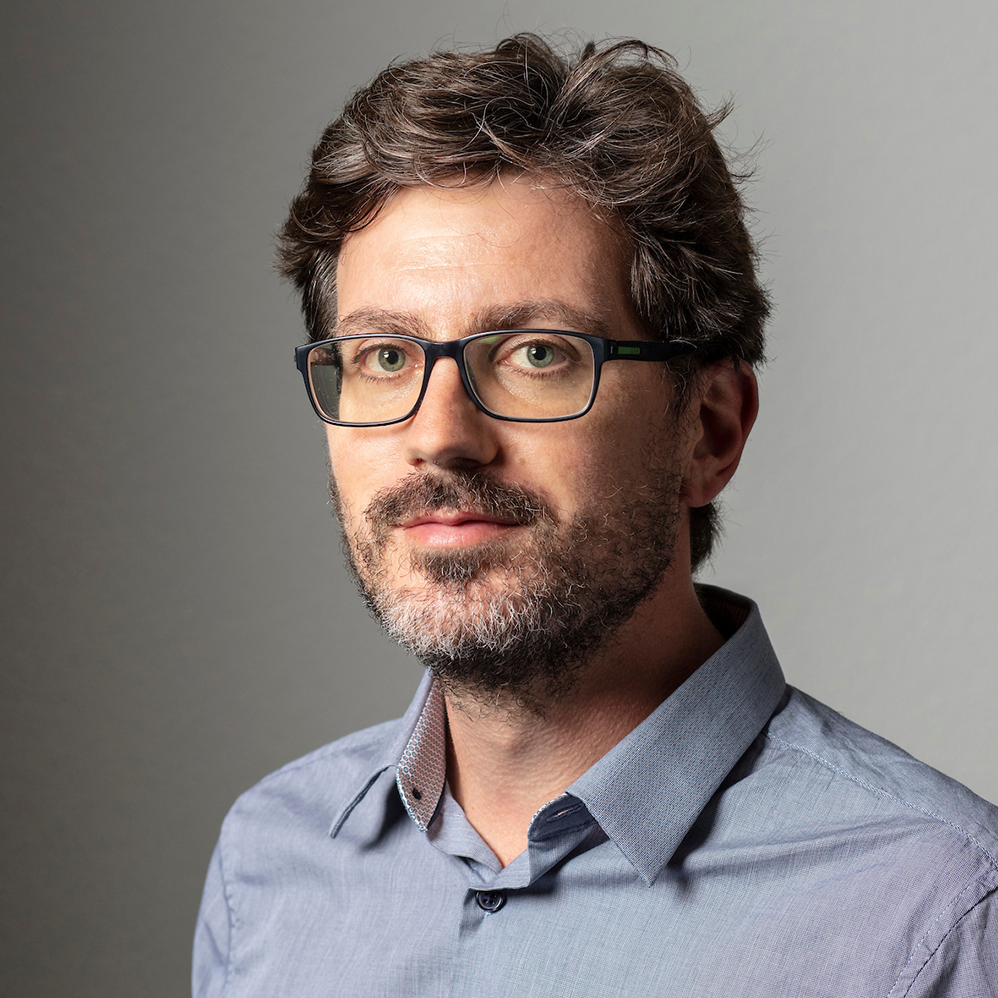

Dear reader,
On Pentecost Monday, Pope Leo XIV used strikingly direct language to present his new encyclical, warning that “artificial intelligence must be disarmed”. His blunt message appeared aimed at the United States, where the growing convergence of the tech industry and the military is increasingly celebrated.
At the beginning of May, Swiss Foreign Minister Ignazio Cassis told a conference of the Organization for Security and Cooperation in Europe (OSCE) in Geneva that AI, quantum computing and neurotechnology are not “neutral developments”. Rather, they are “strategic assets” that are beginning to shape the sovereignty of states.
It should come as no surprise that technologies influence the present and help determine the future – nor that they prompt warnings. In his speech, Cassis referred to classic science fiction films such as 2001: A Space Odyssey, Blade Runner and The Matrix, all of which depict dystopian scenarios.
Yet in many ways the future has already caught up with us. AI is increasingly used in warfare. During missile strikes in Gaza and Iran, for example, AI has reportedly been used to identify targets. According to media reports, this has increased the frequency of strikes, while human oversight has diminished.
The old adage still holds true: people kill people. But the means matter. The more autonomous and powerful a technology becomes, the greater the risks it poses.
The pope warned of the dehumanising effects of technology, while Cassis called for timely regulation to ensure politics does not fall behind technological change. Whether such appeals will be heeded remains to be seen.
Incidentally, Pentecost celebrates the Holy Spirit. That the pope chose this occasion to caution against, figuratively speaking, letting the “spirit” out of the machine is a twist that likely caught the attention of more than just Catholics. In any case, the message is said to have caused irritation in Washington.
What do you think? As always, you can write to me directly at giannis.mavris@swissinfo.ch
Best regards,
Giannis Mavris
P.S. If you find the newsletter useful, please feel free to forward it to others – you can subscribe here.
The latest articles on geopolitics

More
What is the status of investigations into Hamas and Israel?

More
Beneath Gaza’s rubble lie the missing – and possible evidence

More
War in Gaza: the victims that no one talks about

More
Chinese parcel service Speedaf challenges Swiss Post

More
Indigenous human rights: what the UN’s approach is missing
Click here for our overview page on geopolitics.

In compliance with the JTI standards
More: SWI swissinfo.ch certified by the Journalism Trust Initiative

You can find an overview of ongoing debates with our journalists here . Please join us!
If you want to start a conversation about a topic raised in this article or want to report factual errors, email us at english@swissinfo.ch.