








Swiss bankruptcies set to reach record levels in 2026

Economic concerns, high energy costs and rising interest rates are taking their toll on businesses. This is leading to a rise in corporate insolvencies worldwide.
In Switzerland, bankruptcies are even likely to reach a record high, as a study by Allianz Trade shows. The new Swiss insolvency law is also contributing to this.
Allianz Trade’s experts expect the sixth consecutive rise in Swiss corporate insolvencies in 2026. With 15,000 cases, this would mark an all-time high. This would represent a doubling compared with 2022, and even a tripling compared with pre-pandemic levels. These findings are set out in the Insolvency Report published on Tuesday by the trade credit insurer.
However, this “unprecedented” wave of insolvencies can only be partly attributed to the macroeconomic and financial challenges facing companies. “The new insolvency law, which has been in force since 2025, is largely responsible for the high number,” said Jan Möllmann, head of Allianz Trade in Switzerland, according to the press release.
More
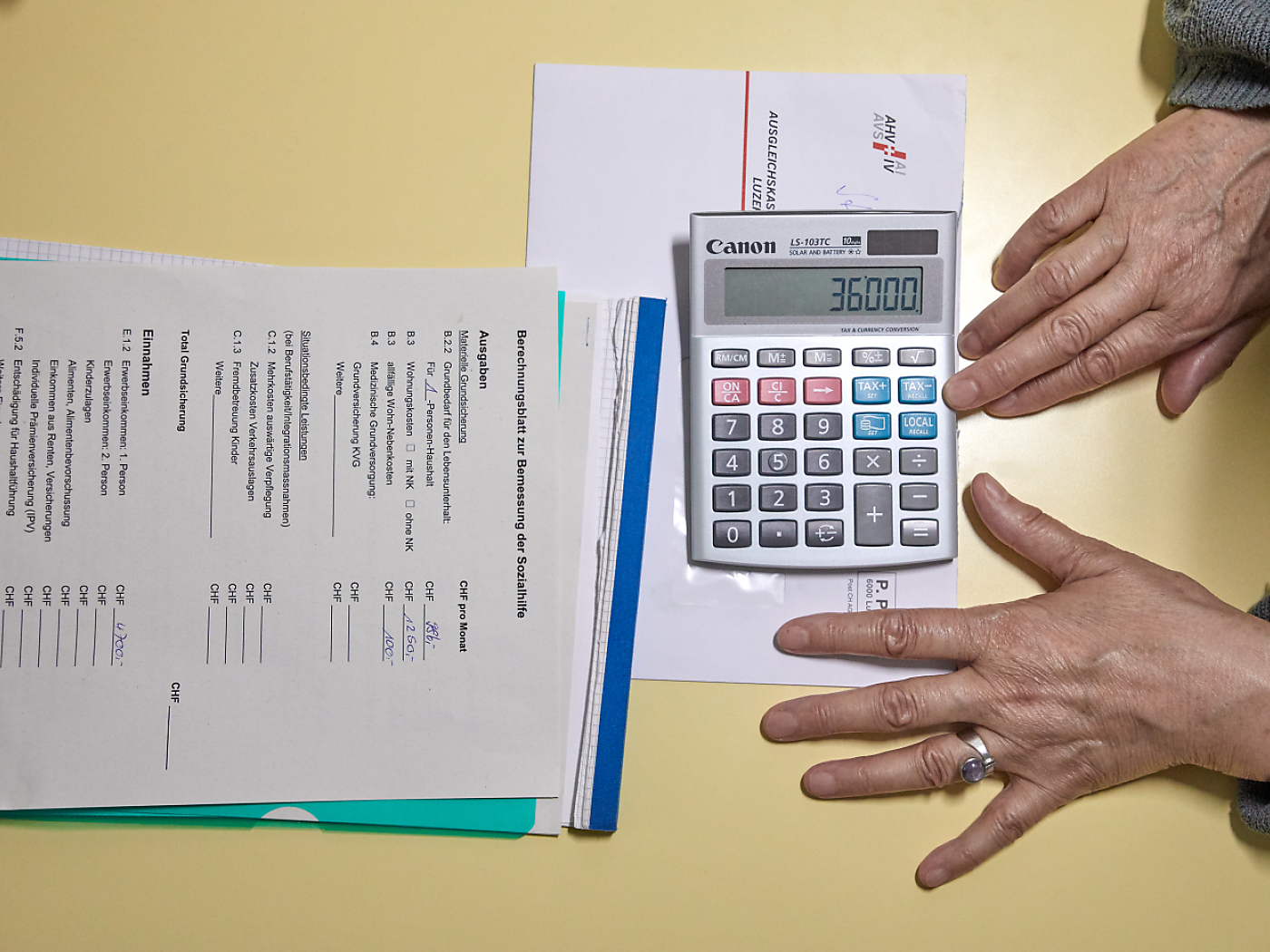
Bankrupt debtors to get second chance in Switzerland
Möllmann went on to say that the insolvency law automatically leads to an increase in the number of companies against which insolvency proceedings are initiated. “We currently expect the situation to stabilise at this new, high level in 2027 and 2028.”
According to the study, corporate insolvencies worldwide are likely to rise by 5% in 2026 and by a further 1% in 2027, having already risen by 6% in 2025. Due to the persistently uncertain geopolitical and macroeconomic environment, the expected peak in insolvencies is shifting by one year to 2028. After that, the number of corporate insolvencies is likely to fall slightly.
+ How we produce news in English
Translated from German, reviewed by an English Department journalist.

In compliance with the JTI standards
More: SWI swissinfo.ch certified by the Journalism Trust Initiative

You can find an overview of ongoing debates with our journalists here . Please join us!
If you want to start a conversation about a topic raised in this article or want to report factual errors, email us at english@swissinfo.ch.