








Himalayan flood sparks concern among Nepalese and Tibetans in Switzerland
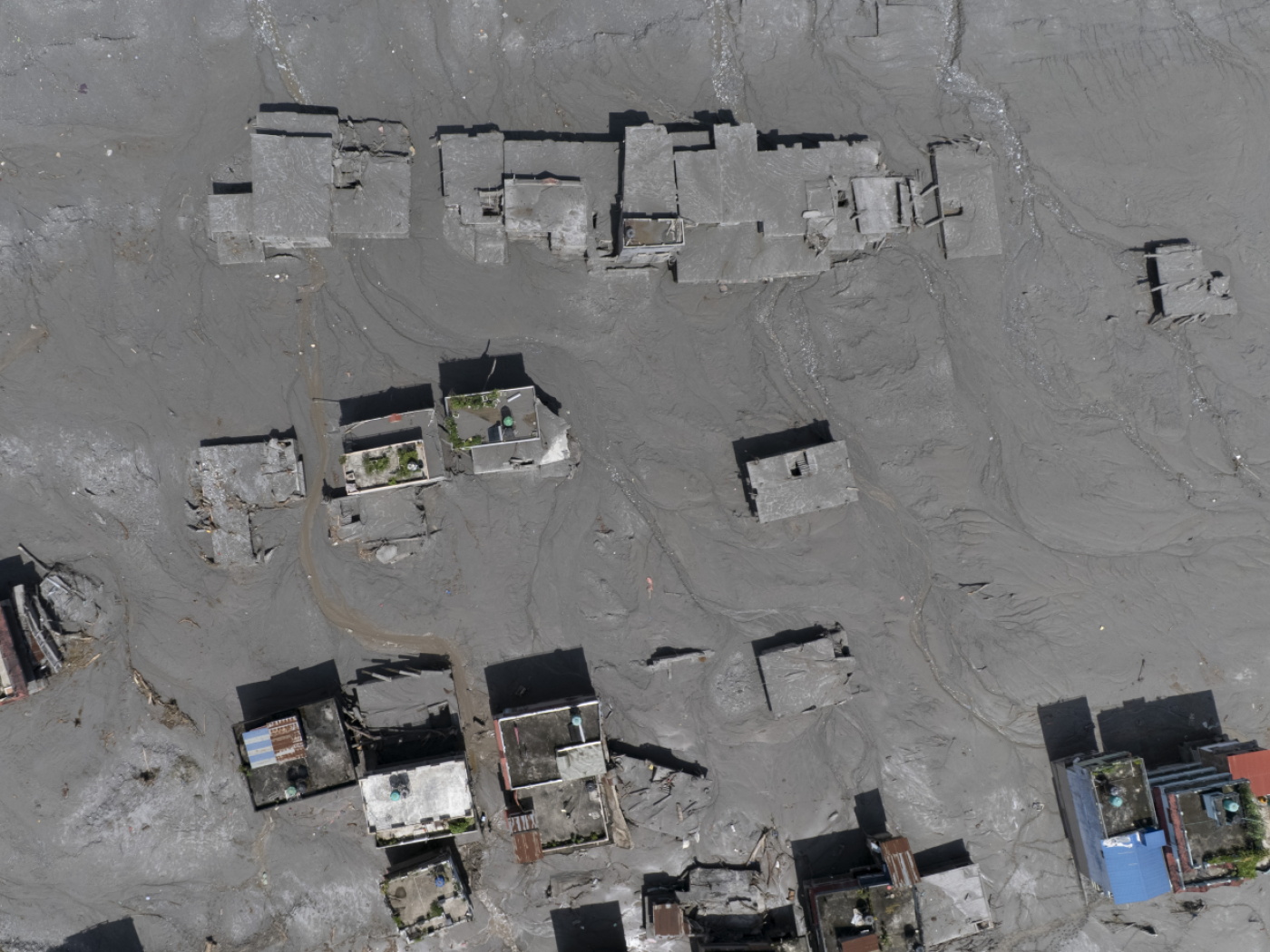
The flash flood in the Himalayas has caused widespread distress among Nepalese and Tibetan communities in Switzerland, representatives of the two communities told the Keystone-SDA news agency on Friday.
Select your language
Generated with artificial intelligence.
Listening:
Himalayan flood sparks concern among Nepalese and Tibetans in Switzerland
The images of the devastating flash flood offered little cause for hope, Markus Ruckstuhl, president of the Swiss-Nepalese Society (SNS), told Keystone-SDA.
More
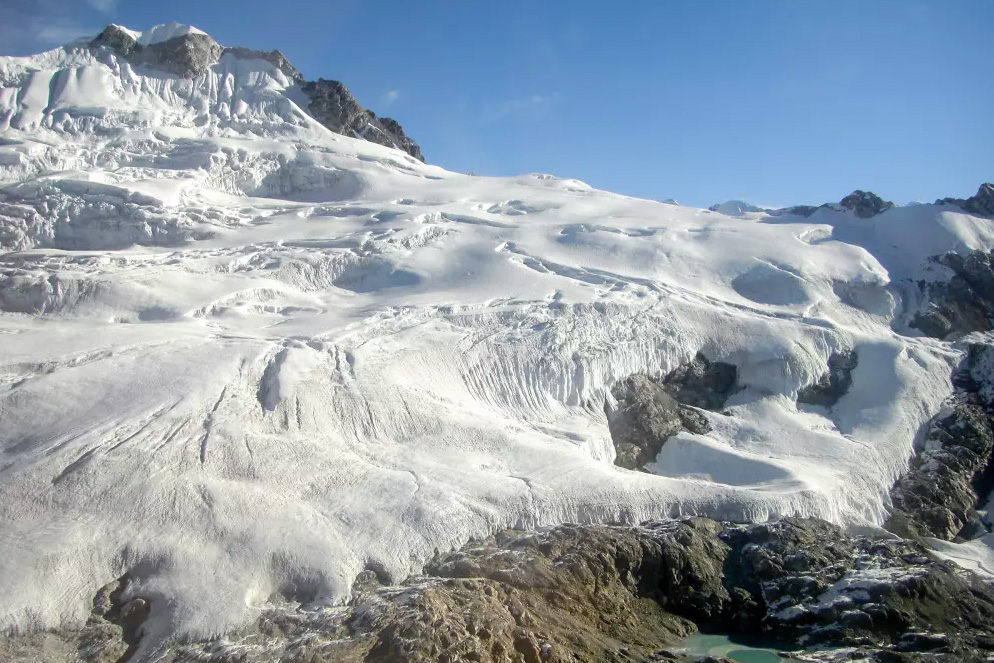
Nepal and the Himalayas, the agony of glaciers on the roof of the world
On Wednesday, a huge surge of mud and rock carved a path of destruction along the Bhotekoshi River. Bridges were swept away, dams damaged and homes engulfed by mud within seconds, dramatic video footage showed.
Waiting for news of loved ones
The wider community has also been left in shock. The Nepalese community in Switzerland is small and close-knit, with many people knowing one another, Ruckstuhl said on Friday. In his view, those ties are a source of strength. “People look out for each other,” he said, “even in difficult times.”
+ Himalayan nations can no longer ignore an environmental time bomb
Ruckstuhl said he personally knows around five people living in Switzerland who have been affected by the floods, either directly or indirectly. “We know people from the region,” he said. “Some have lost family members, friends or their homes, while others are still waiting for news of loved ones.”
Emergency relief efforts in Nepal appear to have begun swiftly and professionally, according to Ruckstuhl. The SNS plans to launch a fundraising appeal in the coming days.
Shockwaves through the Tibetan community
The news has also sent shockwaves through the Tibetan community, Nyma Schneider of the Tibetan Youth Association in Europe told Keystone-SDA. “There are people in Switzerland who come from the affected area,” said the organisation’s co-president.

More
Why the Swiss are leading efforts to track melting glaciers
Alongside the personal losses, there is also deep uncertainty. Unlike in Nepal, very little information is emerging from the Tibetan side of the border. While relatives in Nepal can be contacted, there has been virtually no news from Tibet. “Information isn’t getting out and aid isn’t getting in,” Schneider said. “That’s frightening.”
The morning prayer service at the Tibetan Buddhist monastery in Rikon, near Zurich, took on particular significance as it was held just hours after the disaster. During the ceremony, prayers were offered for the swift and safe rebirth of those who died in the floods.
No way home after floods
Schneider said he has been in touch with Tibetans in the affected area. One of his friends is currently stranded in Nepal and unable to return home. “The main road he had planned to take by bus simply no longer exists,” he said. The flight to India cost his friend his entire savings.
More
Why melting glaciers affect us all
Schneider attributes the scale of the disaster to what he says has been insufficient environmental protection by the Chinese state in Tibetan regions since 1959.
“Climate-related disasters like this keep happening in Tibet,” Schneider said. He called for an urgent monitoring programme and an effective early warning system under Tibetan sovereignty.
Join the conversation:
External Content
+ How we produce news in English
Translated from German, reviewed by an English Department journalist.

In compliance with the JTI standards
More: SWI swissinfo.ch certified by the Journalism Trust Initiative

You can find an overview of ongoing debates with our journalists here . Please join us!
If you want to start a conversation about a topic raised in this article or want to report factual errors, email us at english@swissinfo.ch.