








Switzerland sees hottest and driest summer on record
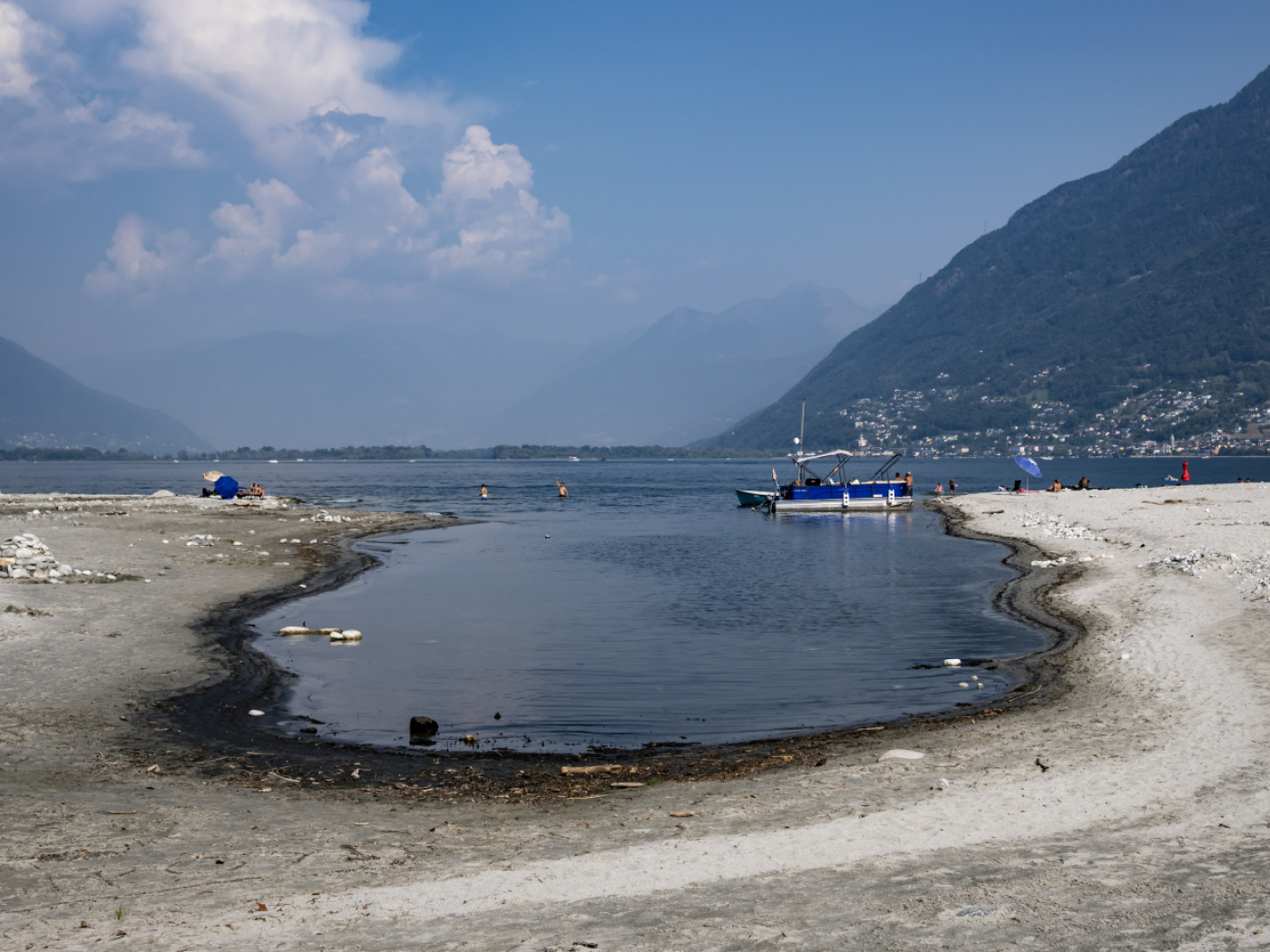
With just over half the average rainfall, the period from April to July was the hottest and driest on record in Switzerland since records began in 1901.
Select your language
Generated with artificial intelligence.
Listening:
Switzerland sees hottest and driest summer on record
MeteoSwiss reported this on Thursday in collaboration with the environment ministry and the Swiss Federal Institute for Forest, Snow and Landscape Research (WSL).
More
Why Switzerland is among the ten fastest-warming countries in the world
The national average temperature was 2.7°C above the 1991-2020 average. Rainfall, meanwhile, reached just 54% of the norm, with even lower levels recorded in the Jura region (45%) and on the Swiss Plateau (47%). In the municipality of Airolo, for example, only 341mm of rain fell, compared with an average of 775mm. Between April 1 and August 24, record precipitation deficits were recorded at 139 of the country’s 408 monitoring stations.
More
Five numbers show how the climate is changing in Switzerland
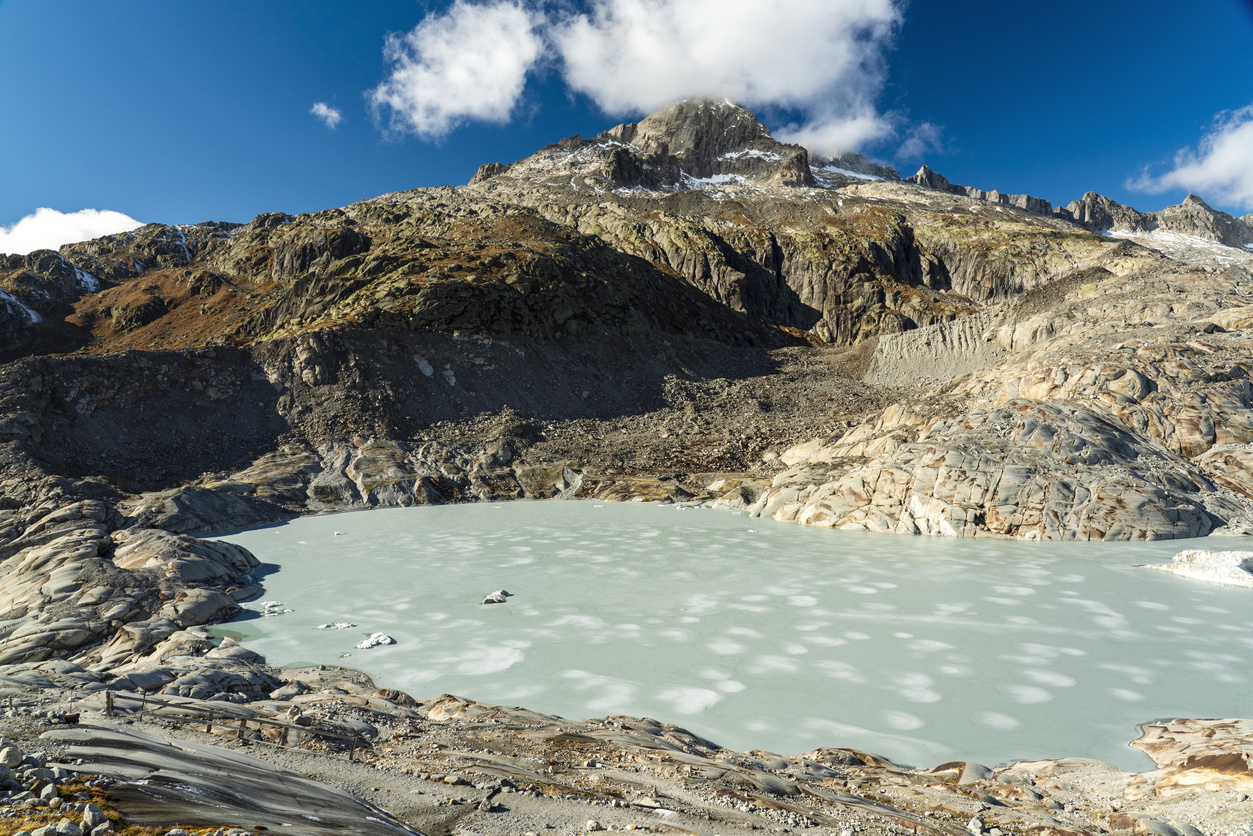
Water levels were therefore well below average in several lakes and in the Rhine. Across the Alps, however, they tended to remain higher as glacial melt helped offset the lack of rainfall.
The low water levels have also led to unusually high water temperatures. In several watercourses, temperatures exceeded the previous highs recorded during the exceptionally hot summers of 2003 and 2018. On July 14, for example, the Aare in Bern reached 24.82°C, surpassing the previous record of 24.12°C set on August 4, 2022. Low river flows allow streams and rivers to warm up more quickly in strong sunshine, placing many aquatic species under increasing stress.

More
As heatwaves rise, Swiss climate concerns fall
Since 2003, researchers at MeteoSwiss and the federal technology institute ETH Zurich have observed an increase in hot, dry weather and predict that such summers will become more frequent and more intense. Against that backdrop, figures like those recorded this summer are no longer considered unexpected.
Join the conversation:
External Content
+ How we produce news in English
Translated from Italian, reviewed by an English Department journalist.

In compliance with the JTI standards
More: SWI swissinfo.ch certified by the Journalism Trust Initiative

You can find an overview of ongoing debates with our journalists here . Please join us!
If you want to start a conversation about a topic raised in this article or want to report factual errors, email us at english@swissinfo.ch.