








Cocaine use continues to increase in Switzerland

Cocaine use in Switzerland is on the rise. Men and young adults between the ages of 18 and 34 use the drug particularly frequently, an analysis by the non-profit foundation Addiction Switzerland reveals.
Select your language
Generated with artificial intelligence.
Listening:
Cocaine use continues to increase in Switzerland
+ Get the most important news from Switzerland in your inbox
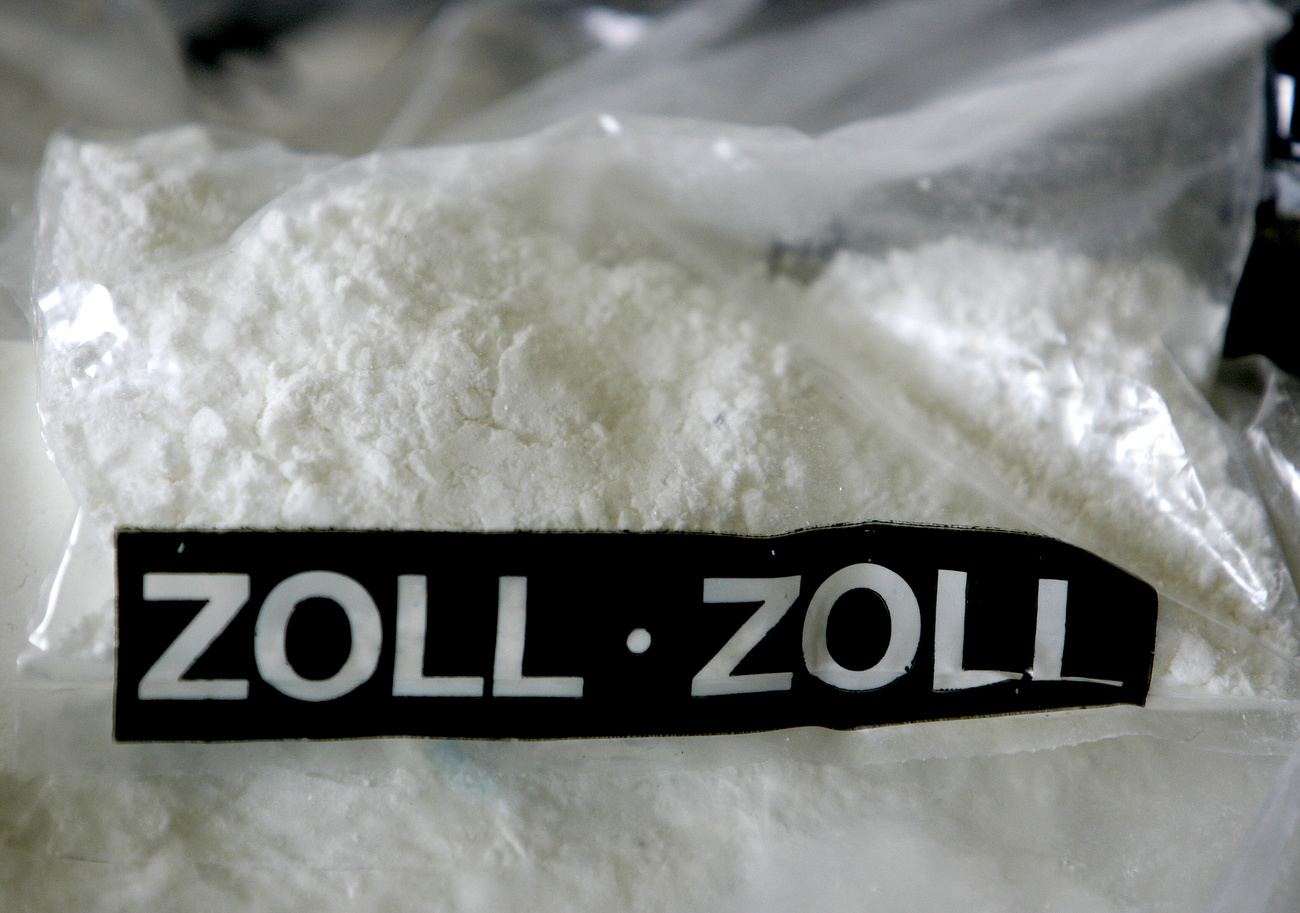
Cocaine is the second-most commonly consumed illegal substance in Switzerland after cannabis. According to the latest Swiss Health Survey, dated 2022, around 1% of the population has used cocaine in the last 12 months, Addiction Switzerland said in a press release on Thursday.
However, various data sources, including wastewater analyses, indicate that the extent of cocaine use among the population may be even higher.
More
Switzerland’s flourishing cocaine market presents law enforcement challenge
Cocaine use has found its way into large sections of society, the foundation said. A large proportion of users are socially integrated, well educated and gainfully employed. In addition to occasional users, there is a group that uses cocaine regularly or intensively and is at increased risk of health and social problems, Addiction Switzerland warned.
Considerable consumption also takes place during the week. Individual occupational sectors in which cocaine is sometimes used functionally, for example, to increase performance, alertness or self-confidence, are striking. These include catering, the construction industry and the arts and entertainment scene. Contributing factors are high pressure to perform, long or irregular working hours, pronounced group dynamics and work-related insecurity, according to Addiction Switzerland.
The transition from occasional to problematic use is usually gradual, and those affected often only seek help when serious personal, social or professional problems become apparent, the foundation concluded.
Translated from German with AI/gw
We select the most relevant news for an international audience and use automatic translation tools to translate them into English. A journalist then reviews the translation for clarity and accuracy before publication.
Providing you with automatically translated news gives us the time to write more in-depth articles. The news stories we select have been written and carefully fact-checked by an external editorial team from news agencies such as Bloomberg or Keystone.
If you have any questions about how we work, write to us at english@swissinfo.ch.
External Content

In compliance with the JTI standards
More: SWI swissinfo.ch certified by the Journalism Trust Initiative

You can find an overview of ongoing debates with our journalists here . Please join us!
If you want to start a conversation about a topic raised in this article or want to report factual errors, email us at english@swissinfo.ch.