








Debate grows over Airbnb’s impact on Swiss housing
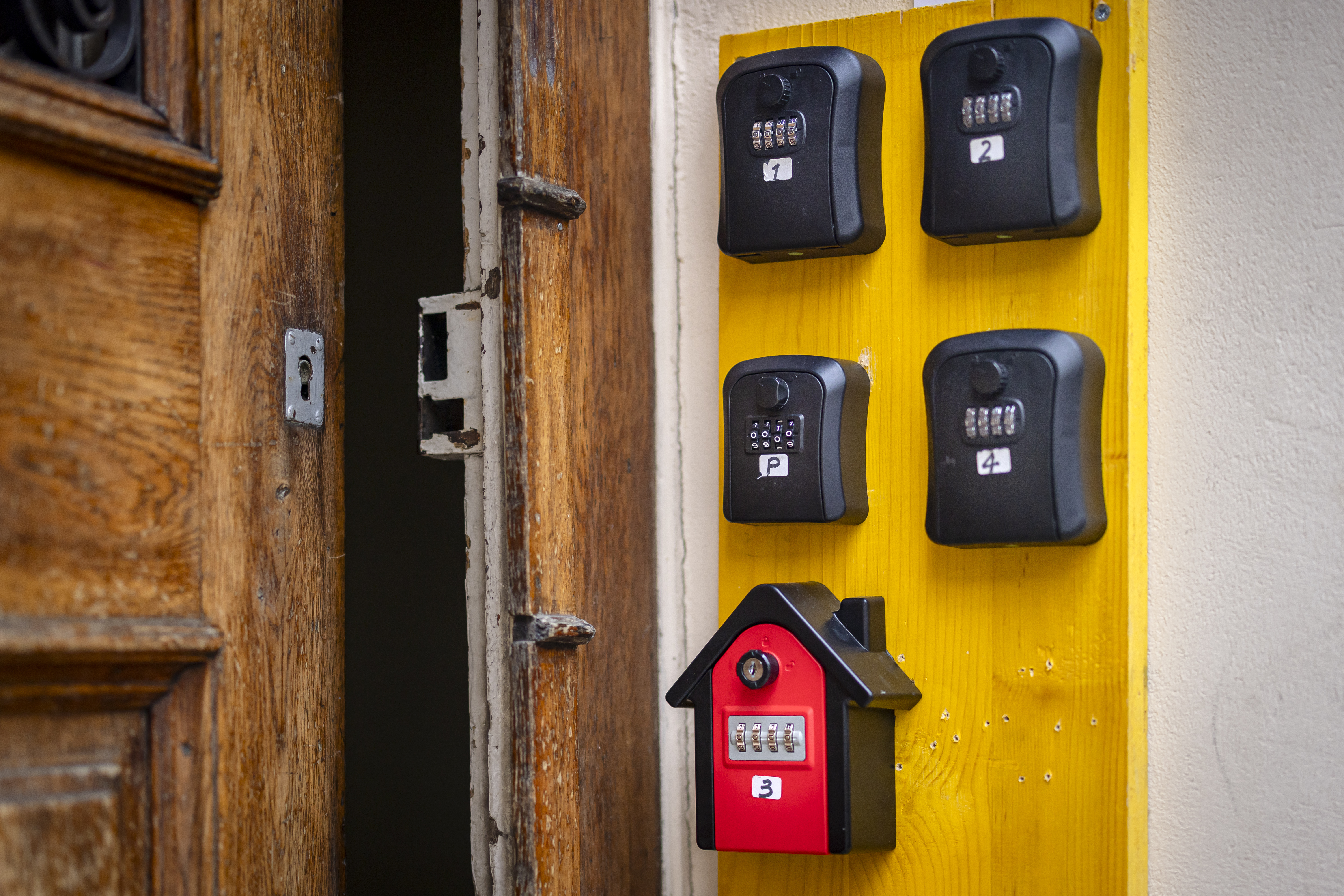
The growth of booking platforms such as Airbnb is putting increasing pressure on housing markets in Swiss cities and tourist hotspots.
Select your language
Generated with artificial intelligence.
Listening:
Debate grows over Airbnb’s impact on Swiss housing
While tenants’ groups and hoteliers are calling for tighter rules, homeowners warn against disproportionate restrictions on property rights.

More
How the government is regulating Airbnb in Switzerland
Holiday lets listed on platforms such as Airbnb are popular with travellers and can be highly profitable for property owners. But when homes are used year-round for a steady flow of short-term guests, they are no longer available to local residents and workers. That is why several Swiss cities are tightening the rules.
Conflict over the 90-day limit
Since 2025, Lucerne has imposed a cap on short-term rentals. Homes developed for short-term letting since 2010 that have displaced or reduced the local housing stock can generally be rented out for no more than 90 nights a year. Property owners must also register them.
+ Housing shortages – what works and what doesn’t
Zurich and Interlaken have since introduced similar restrictions. Mario Stübi, president of the Lucerne Tenants’ Association, says the crackdown is long overdue, arguing that the trend is becoming more widespread at the expense of local residents.
He argues that ordinary homes should not be taken out of the housing market. Speaking during the discussion, he summed up his position with a simple principle: “Ownership comes with responsibilities.” Those who choose not to rent out their properties in the conventional way, he says, must be prepared to follow the rules set by the community.
More
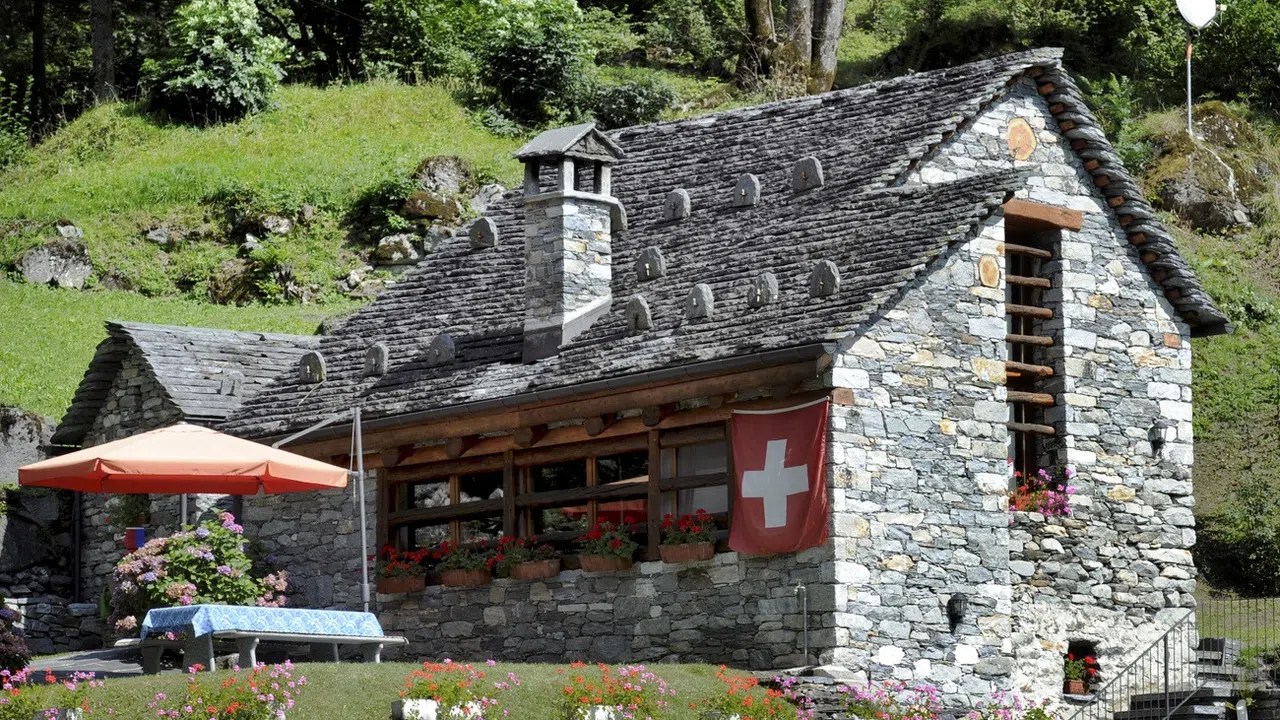
Ticino rules on short-term holiday rentals attract federal ire
Damian Hunkeler, a member of the Lucerne cantonal parliament for the Radical-Liberal Party and president of the Lucerne Homeowners’ Association, takes a different view. “As a liberal, I am fundamentally opposed to laws, regulations and restrictions,” he says.
He argues that the 90-day limit is arbitrary. In Lucerne, there were around 330 Airbnb listings when the rule was introduced in 2025, compared with more than 48,000 homes in the city, less than 1% of the total housing stock. “A share that small does not warrant another layer of regulation that could ultimately lead to high enforcement costs for taxpayers,” he says. In Zurich, the city has already approved five new posts for a three-year period to police the rules.
Hoteliers and local residents under pressure
Concerns are also growing in Switzerland’s mountain regions. In Valais, the canton with the highest number of registered short-term rentals, hoteliers are sounding the alarm. Olivier Andermatt, president of the Valais Hoteliers’ Association, is calling for a level playing field between hotels and other forms of tourist accommodation.

More
Locals driven out by luxury homes in Swiss mountains
He argues that commercial short-term lets should meet the same requirements on fire safety, hygiene, employment law, tourist taxes and VAT as the hotel industry. He also says there is an acute shortage of affordable housing for both hotel staff and local residents. As a result, he is calling for a strict registration system run by local authorities.
Comments from listeners to Swiss public broadcaster SRF highlight the dilemma. One landlord says he lost CHF35,000 ($42,185) because of unpaid rent and damage to his property before turning to Airbnb. Another private host says the income helps fund their retirement. Meanwhile, critics warn about commercial investors turning entire apartment blocks into lucrative short-term rental units.
Several contributors to the discussion favour local solutions. They argue that popular tourist destinations need stricter rules than areas where demand for short-term rentals is lower.
Where next?
Despite their differences, both sides agree on one thing: reliable data is essential. The Swiss House of Representatives has backed a proposal to collect nationwide data on short-term rentals. The measure must still be approved by the Senate. Its supporters say the data will help identify where action is actually needed.
+ How we produce news in English
Translated from German, reviewed by an English Department journalist.

In compliance with the JTI standards
More: SWI swissinfo.ch certified by the Journalism Trust Initiative

You can find an overview of ongoing debates with our journalists here . Please join us!
If you want to start a conversation about a topic raised in this article or want to report factual errors, email us at english@swissinfo.ch.