








Inglourious subtitlers and the art of cinematic transcreators
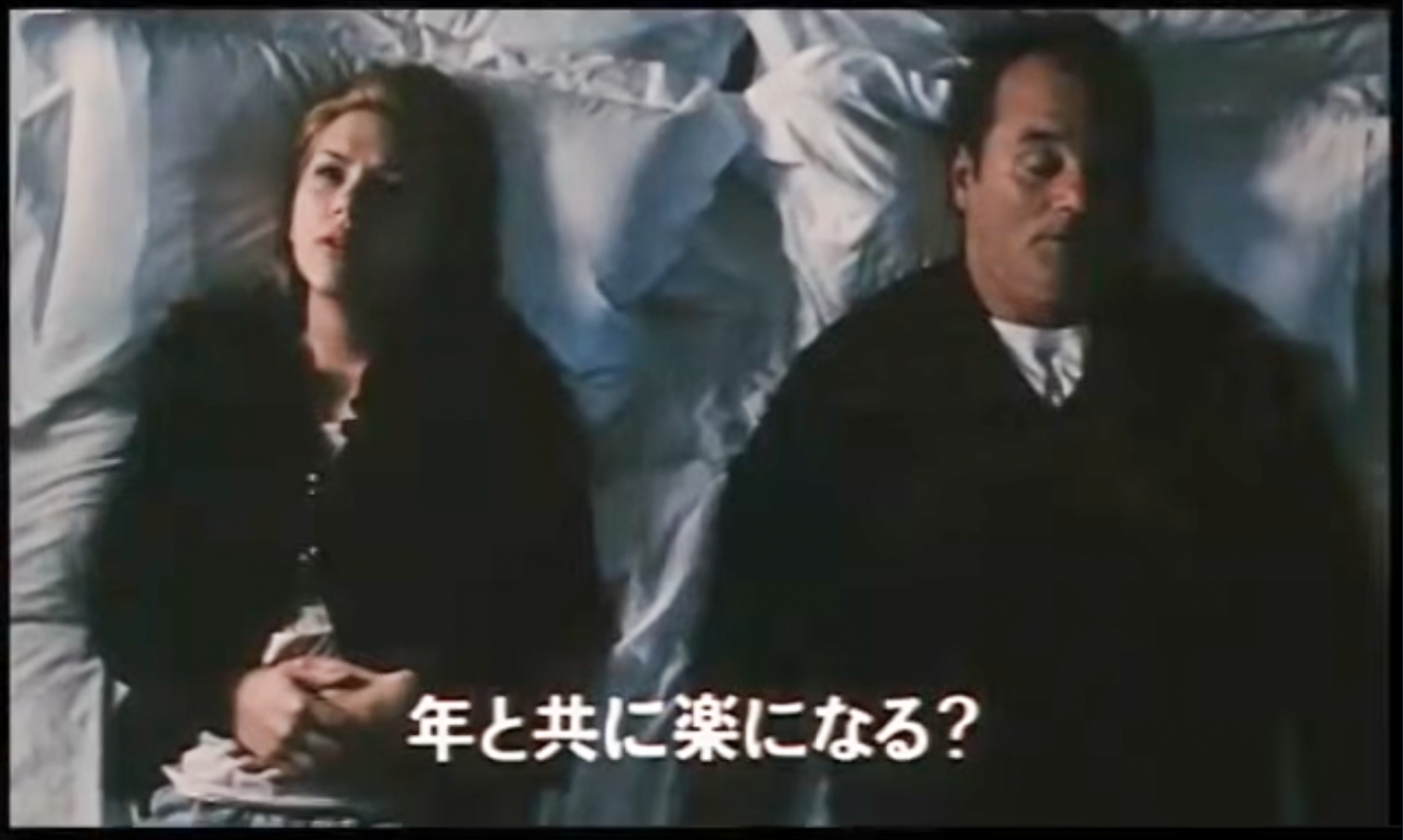
Often criticised but rarely appreciated, subtitles have been essential to global cinema for nearly a century. The head of the Swiss Film Archives, Vinzenz Hediger, explains why, in multilingual Switzerland, they are also a vital part of film history.
When Sony Pictures distributed Crouching Tiger, Hidden Dragon in theatres in the United States in 2000, they came up with a clever trick in order to get people into cinemas to watch a foreign film in a foreign language. The trailer External linkportrayed no scenes with Mandarin dialogue, relying instead on an English voice-over to narrate the synopsis.
Subtitled films represent between 1.1% and 2% of the box office in the US; in the European Union, roughly 53% of theatrical releases are shown exclusively dubbed, 29% in both dubbed and subtitled formats, and a smaller minority rely strictly on original-language subtitles. Yet Crouching Tiger, Hidden Dragon remains the highest-grossing non-English film in the US.
External Content
The film’s success proves that translation can redefine a movie’s global reach, making subtitles essential – if often overlooked – components of the cinematic experience. Today, in this extremely globalised era in which we can access films from every corner of the world thanks to subtitling, subtitles become increasingly crucial yet remain largely invisible.
But the translator is “also doing a creative act”, Vinzenz Hediger, head of the Swiss Film Archives (Cinémathèque Suisse) tells Swissinfo. He discusses how translation plays a role in the archival world, specifically in the Swiss context. For him, “the concept of transcreation” demands a lot of creativity from the translator to make possible for a film “to live in a different linguistic environment”.
Subtitles or dubbing, that is the question
Up until the talkies – from the late 19th century until the late 1920s – films provided our world with the promise of a universal language. In the silent film era, intertitles (a piece of printed or hand-lettered text edited into the middle of a silent film to show dialogue, narration or story details) were easily swapped for other versions and the moving image allowed for common ground across languages.
However, when sound appeared at the end of the 1920s, so came the subtitles: although it still used intertitles for dialogue, The Jazz Singer (1929) was the first film to be subtitled. Meanwhile, Hollywood poured funds into what they called multiple-language versions of the same film. This involved using the same set and crew, but different actors in order to film simultaneously various versions. During the 1930s, both subtitling and dubbing were developed simultaneously.
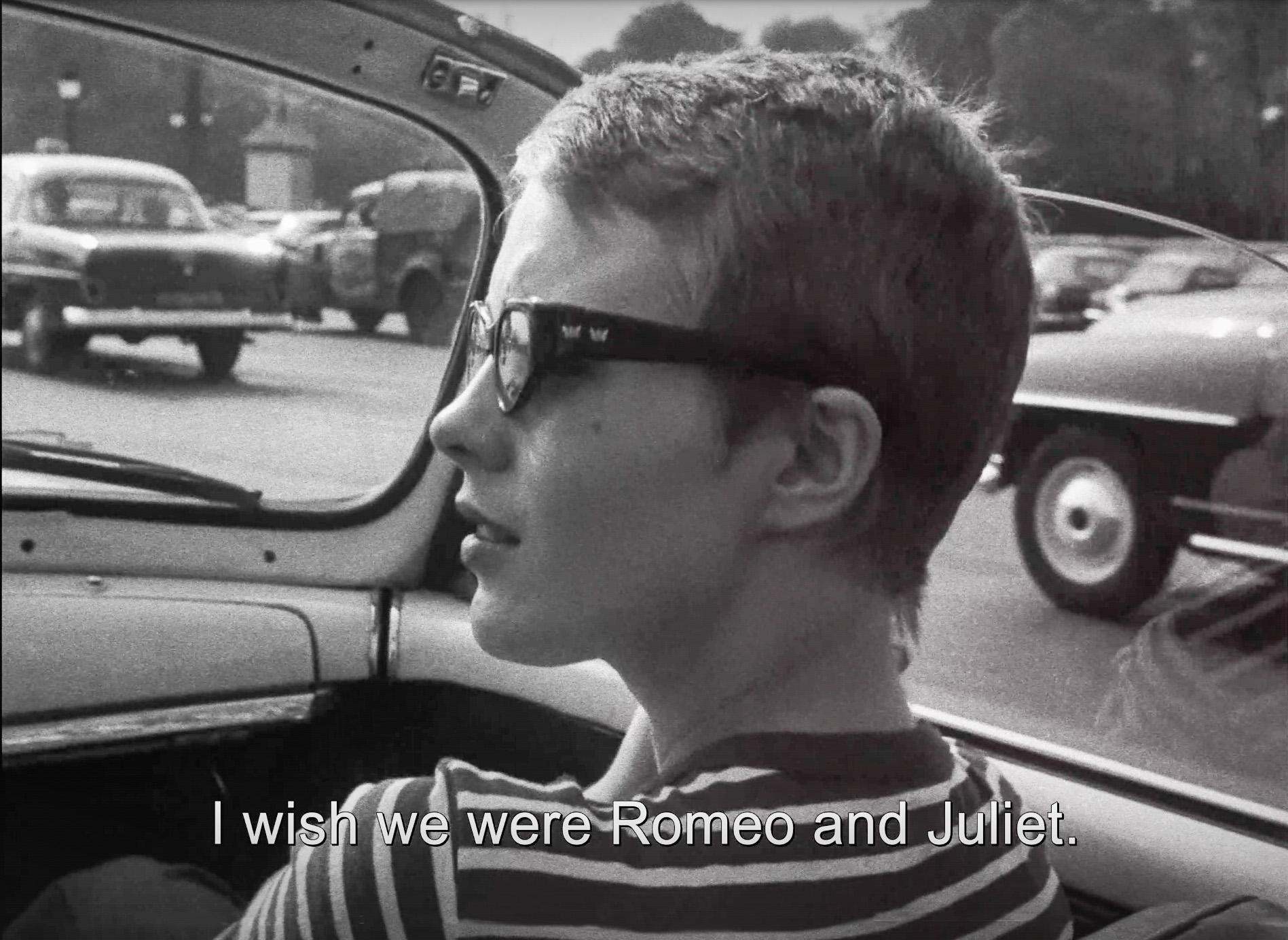
Meanwhile in Europe, countries generally split into two camps: subtitling foreign films or dubbing them into the local language. Switzerland, considering its linguistic diversity, opted for subtitling, both for “historical reasons that date back to the 1930s, but also for simply economic reasons”, Hediger says.
According to him, subtitled versions remain the preferred choice for moviegoers in Zurich and Lausanne, even for commercial releases, reflecting a continuity with the policies adopted nearly a century ago when talkies first emerged. Interestingly, research shows External linkthat prioritising subtitled content has contributed to higher English proficiency in countries like Switzerland, Portugal, and Norway.

More
Schiff ahoy! Why dubbed films are making waves
The figure of the translator has always been rendered invisible. This plight is now being accelerated by the rise of streaming platforms and artificial intelligence (AI). Yet these ghosts still haunt our film prints and digital streams as much as they do our books.
Since the early days of cinema, credit has rarely gone to those who enabled international audiences to understand one another; studios simply bought translations outright without granting copyright or screen credits. To this day, many countries still refuse copyright protections to subtitlers. Streaming giants and VOD platforms External linkhave pushed this dynamic even further by bringing subtitling entirely in-house and leaning heavily into machine translation and AI automation, the human author is being erased faster than ever.
Compare that to dubbing, where recognition is built into the craft: specific voice actors become tied to Hollywood legends. Rosa Guiñón became the definitive voice of Meryl Streep in Spain and Philippe Peythieu plays the iconic French Homer Simpson. Subtitlers, meanwhile, remain cinema’s ghostwriters.
As Hediger puts it, “translation work is the most thankless intellectual endeavour that you can think of”. There are no notorious subtitlers. While some actors know the names of their foreign dubbers, most filmmakers don’t bother to know the names of those who subtitle their films.
Swiss Babel on the screen
Navigating film distribution in Switzerland means tackling a uniquely complex, multilingual terrain. Here, every film must cater to distinct French- and German-speaking audiences, while carefully balancing separate strategies for the smaller Italian-speaking market: translation isn’t just an afterthought; it’s a non-negotiable commercial necessity.

This intricate balancing act is preserved in the archives of the Cinémathèque Suisse, home to one of the richest film collections in the world. As Hediger explains, “that has everything to do with the fact that the people who ran the Cinémathèque early on struck a deal with distributor in Switzerland: once a film had run its commercial course, the distributors would deposit all prints in the Cinémathèque, which would keep the best five or eight”.
As a result, virtually everything screened in Switzerland since 1952 has been safeguarded alongside its corresponding French and German subtitles. For the Italian-speaking market, distributors often imported Italian prints that were already either dubbed or subtitled.
Yet localising cinema across Switzerland goes far beyond standard language barriers. Hediger emphasises that language is deeply situated: “dialects are always regionally specific, but in Switzerland, if you grow up as a Swiss German native speaker, you will be able to place people by about 30 kilometres if you hear them speak”. Capturing these accents and social nuances on screen is a delicate task for any translator, and virtually impossible to fully convey within the constraints of a subtitle line.
What actually gets found in translation?
When people talk about subtitles, the feedback is usually limited to whether they are “bad”. The audience tends to dwell on what’s lost in translation rather than seeing subtitling as a key part of the creative process, even if that connection seems obvious once we think about it.
Digging deeper into the conversation surrounding translation, Hediger refers to transcreation, which is when translation doesn’t choose the literal path but, rather, a more tonal and emotional approach. As such, we can acknowledge not what is “lost” in the meaning through the process of translation, but actually what is transformed.

Perhaps what does fall short in subtitling films are the nuances found in each language or dialect that is spoken. Films are situated, so are the languages we speak. Hediger shares a recent experience where they screened a Nigerian film in the Hausa language which will soon be restored by the Cinémathèque Suisse “in the presence of a room full of Hausa native speakers”. He describes the experience as “totally unfair because they were laughing through half of the film while I sat there, wondering what the hell was going on? What are we missing?”
In this way, subtitles can oftentimes feel like a “crutch” simply allowing us to follow along the best we can. On the other hand, we’re unable to grasp the nuances of the spoken dialogue when we are reading a text on the screen, especially if we are completely foreign to that culture.
When visiting Cairo and watching local films without translation, Hediger and his wife found themselves piecing together the plot like solving a riddle, an experience he found deeply “intellectually stimulating”. This exercise echoes Henri Langlois’ provocative belief that it’s best to watch foreign films without any subtitles at all.
Subtitles are often treated as invisible bridges, but theoretically, they also function as unique historical markers. Looking at archived prints, a subtitle track offers tangible proof of how a work crossed borders at a particular time. It reflects the linguistic nuances, ideological choices and technical standards of its era, making the translation inseparable from the film’s archival identity.
This theoretical dimension comes into sharp relief when looking at specialised collections like the Arsenal Filminstitut in Berlin. Originally founded to spotlight alternative and emerging cinema, the institute has maintained a practice since the 1970s of retaining every film screened in its Forum programme as a subtitled print.
In discussion with Hediger about international archival practices, he points out a striking reality: for many of these works, the Arsenal’s subtitled copy is the only surviving print in existence. The act of translation, initially meant just for a local screening, ultimately doubled as an act of absolute preservation.

More
‘Maybe films should be subtitled in SMS language!’
Edited by Virginie Mangin and Eduardo Simantob/ds

In compliance with the JTI standards
More: SWI swissinfo.ch certified by the Journalism Trust Initiative

You can find an overview of ongoing debates with our journalists here . Please join us!
If you want to start a conversation about a topic raised in this article or want to report factual errors, email us at english@swissinfo.ch.