








Swiss foreign ministry weighs up future of Afghan aid

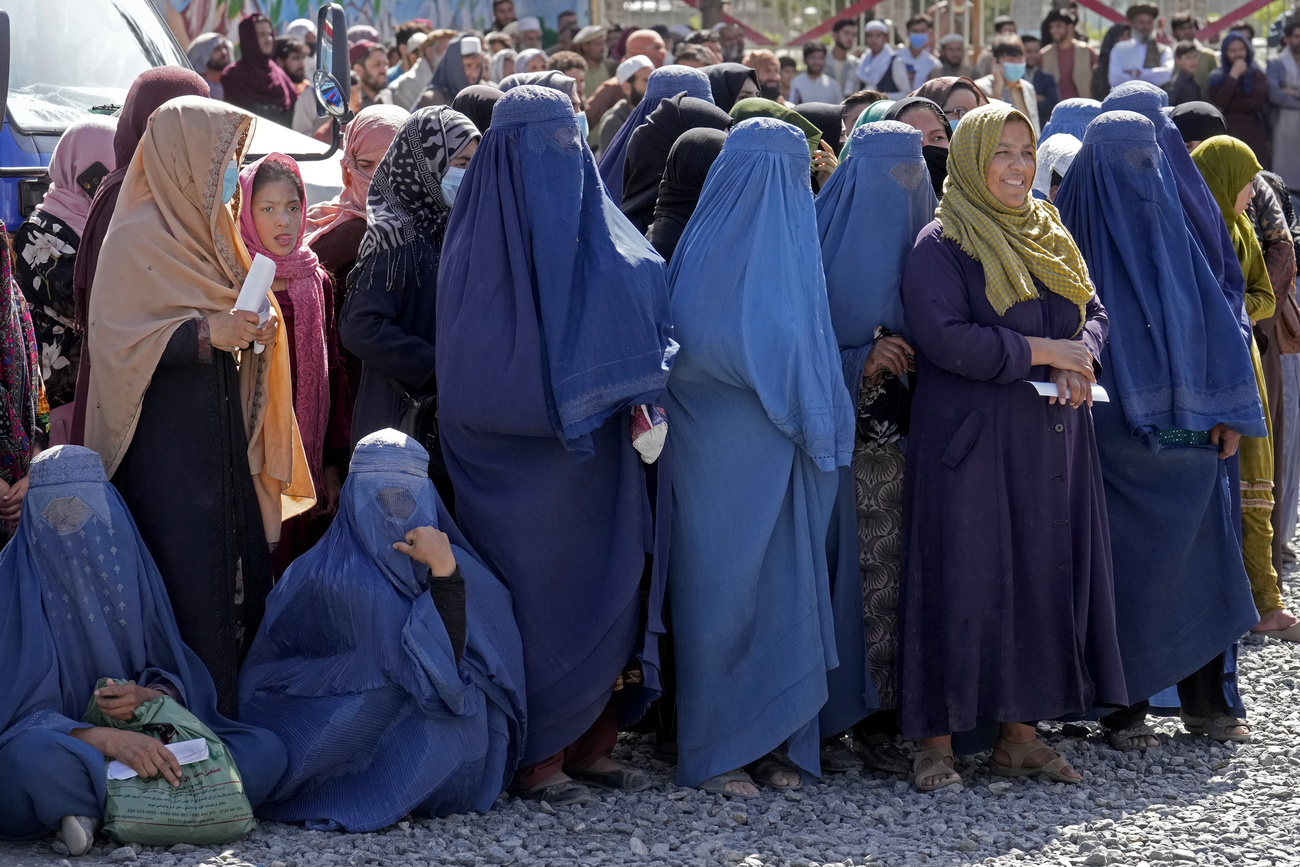
Under current circumstances, it’s unclear whether Switzerland can continue to send emergency aid to Afghanistan, the foreign ministry has said.
Bern is in discussions with other donor countries, the UN and partners on the ground about next steps, foreign ministry spokesman Pierre-Alain Eltschinger told the SonntagsBlick newspaper on Sunday.
The amount of funding allocated in future will depend on whether and how partner organisations in Afghanistan can carry out their work, he said.
Some aid groups, including Save the Children and the Norwegian Refugee Council, have suspended activities in Afghanistan after a recent decision by the Taliban to ban women from working in NGOs and humanitarian organisations.
More
Swiss call on Taliban to reconsider ban on women to work for NGOs
Vital for healthcare
The Geneva-headquartered International Committee of the Red Cross (ICRC), which has so far been able to keep its projects running, told the SonntagsBlick that the exclusion of women would have “catastrophic results”, particularly in the healthcare sector, where many women work.
A spokesman for Terre des Hommes, a Swiss group which has been in Afghanistan for 25 years, told Swiss public television, RTS, in December that almost 60% of its workers on the ground were women. They have “very specific skills, as midwives, doctors and social workers, and we cannot and do not want to replace them from one day to the next”, he said.
Switzerland donates around CHF30 million ($32.3 million) per year in humanitarian aid to Afghanistan, where food shortages are widespread.
“The foreign ministry has again repeated, directly to Taliban representatives, its deep concern about the impact of the recent decision,” Eltschinger told the SonntagsBlick.
More
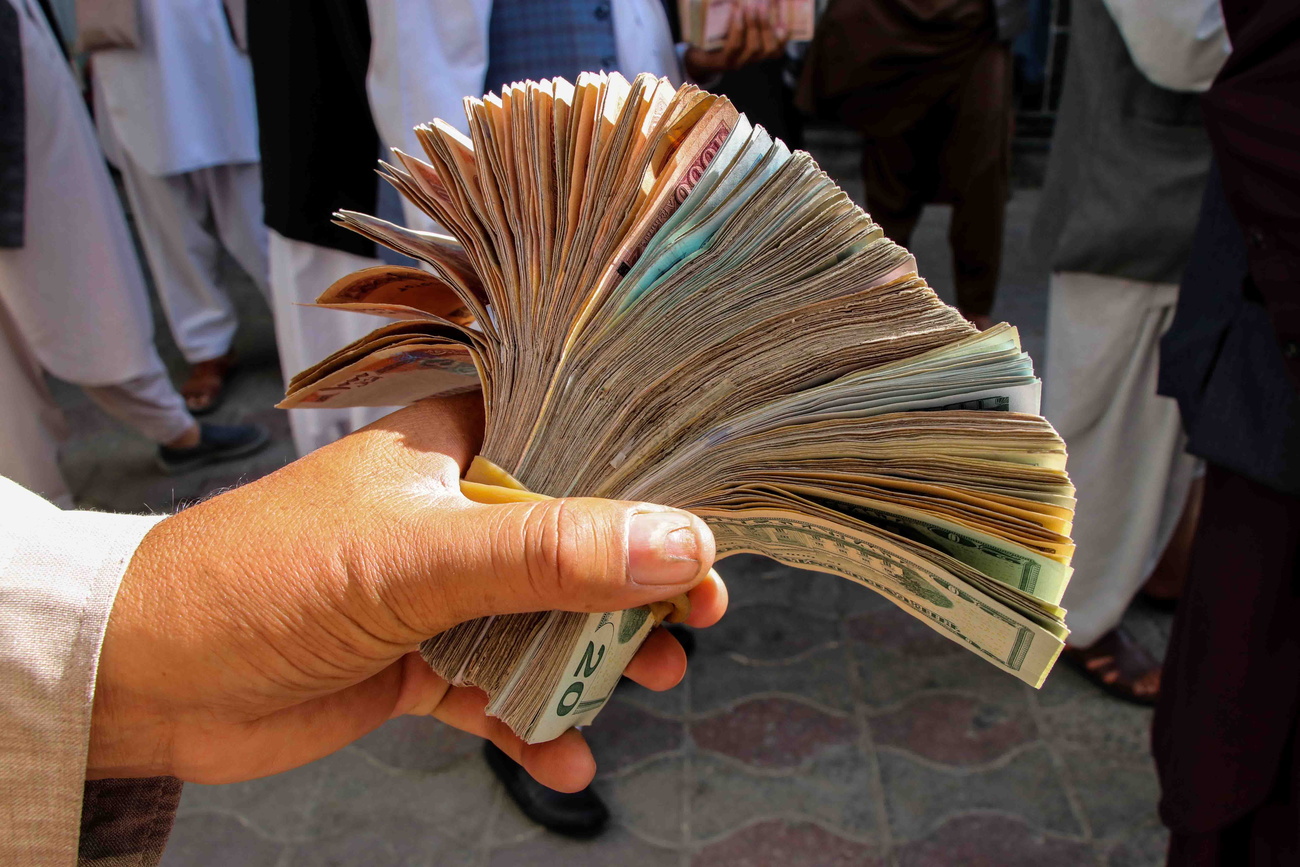
How a portion of Afghanistan’s foreign reserves ended up in Geneva

In compliance with the JTI standards
More: SWI swissinfo.ch certified by the Journalism Trust Initiative

You can find an overview of ongoing debates with our journalists here . Please join us!
If you want to start a conversation about a topic raised in this article or want to report factual errors, email us at english@swissinfo.ch.