








Report sees key role for Switzerland in commodities trading

Switzerland is one of the most important hubs for global commodities trading. The sector plays a key role in reducing the harmful effects of commodities trading on the environment and society, according to a new report.
Select your language
Generated with artificial intelligence.
Listening:
Report sees key role for Switzerland in commodities trading
+Get the most important news from Switzerland in your inbox
In a report published on Wednesday by the Swiss Academy of Sciences (SCNAT), experts from 11 research institutions came to the conclusion that trading houses have long been more than just intermediaries.
+ Commodity trading in Switzerland, explained
They finance extraction projects, secure harvests, operate harbours, warehouses or mines in some cases and increasingly trade in financial products on commodities.
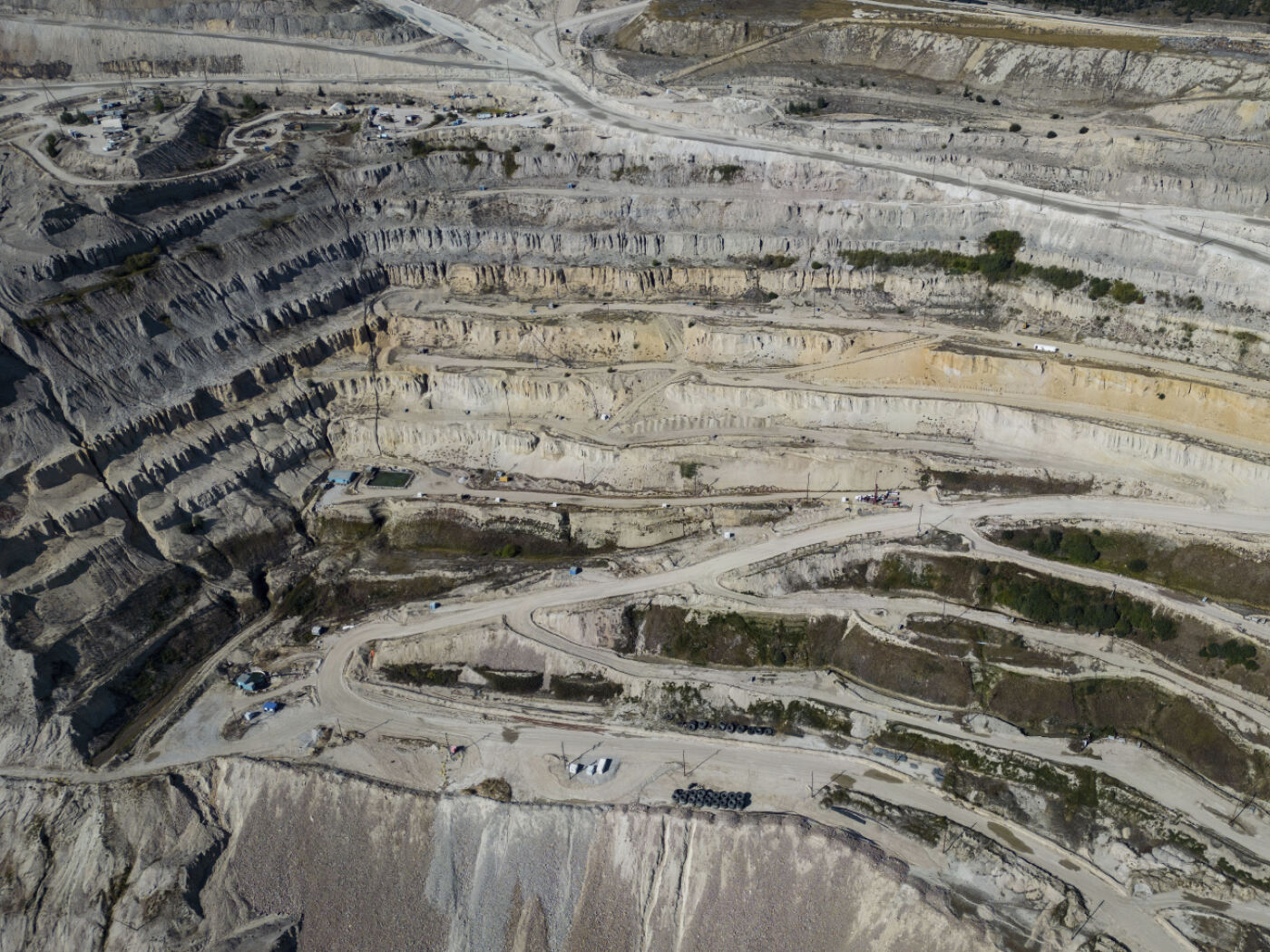
This has increased their control over entire value chains. According to SCNAT, the consequences can be seen in deforestation, water consumption and biodiversity.
According to the report, 60% of the copper, aluminium and iron ore trade, 53% of the coffee trade and 39% of the crude oil trade go through Swiss traders.
The researchers therefore believe that Switzerland is in a special position to help shape the development of commodity trading.
More
Commodities sector almost as important for Switzerland as tourism
Adapted from German by AI/mga
We select the most relevant news for an international audience and use automatic translation tools to translate them into English. A journalist then reviews the translation for clarity and accuracy before publication.
Providing you with automatically translated news gives us the time to write more in-depth articles. The news stories we select have been written and carefully fact-checked by an external editorial team from news agencies such as Bloomberg or Keystone.
If you have any questions about how we work, write to us at english@swissinfo.ch
External Content

In compliance with the JTI standards
More: SWI swissinfo.ch certified by the Journalism Trust Initiative

You can find an overview of ongoing debates with our journalists here . Please join us!
If you want to start a conversation about a topic raised in this article or want to report factual errors, email us at english@swissinfo.ch.