








Marine conservation target will take 265 years: Greenpeace
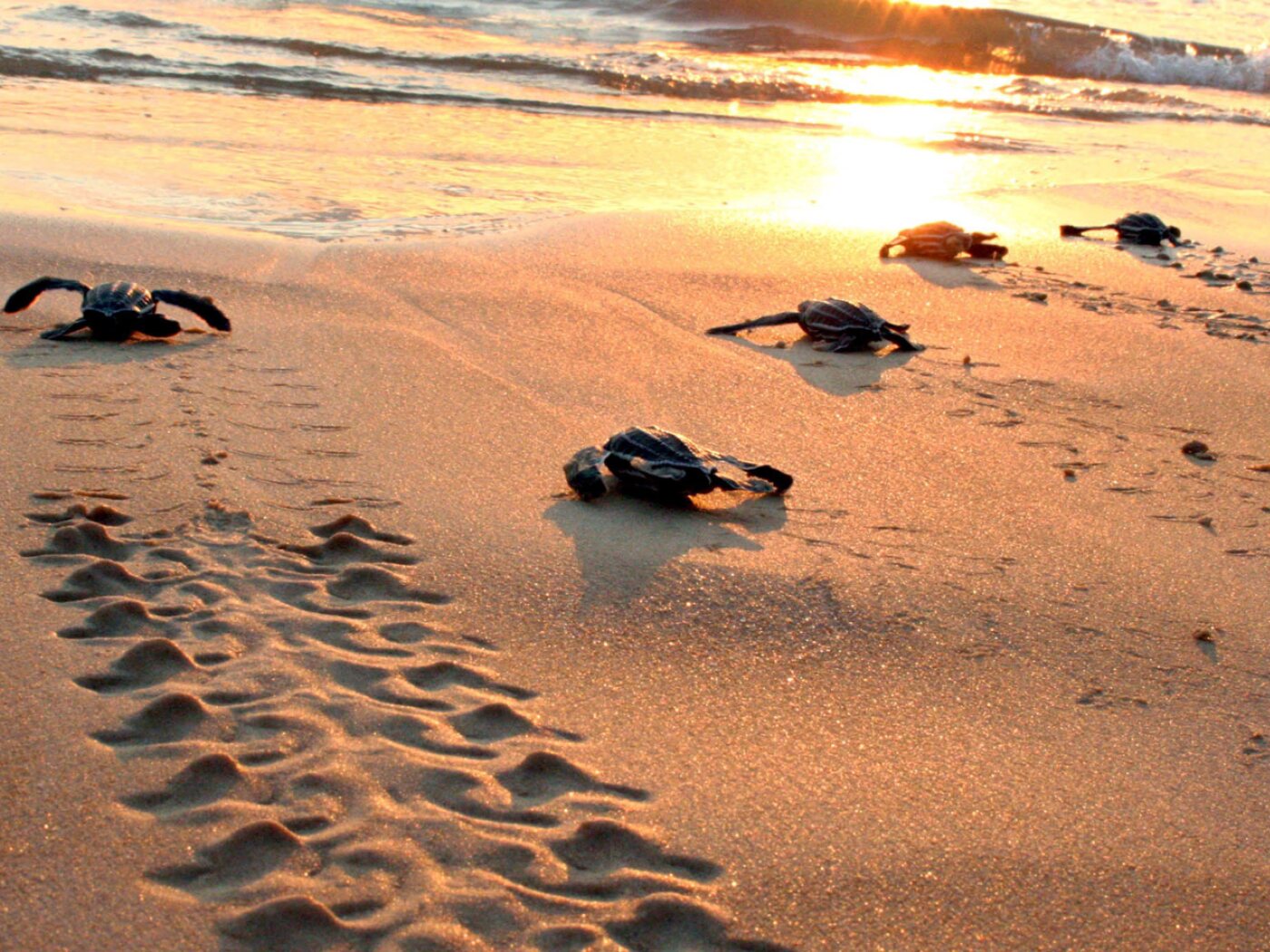
According to Greenpeace, at the current rate, the global marine conservation target will not be achieved for another 265 years.
Select your language
Generated with artificial intelligence.
Listening:
Marine conservation target will take 265 years: Greenpeace
The Swiss-based environmental organisation is calling for more protected areas as the UN Conference on Biological Diversity gets underway in Armenia.
Greenpeace announced on Monday that, at present, only 3.5% of the world’s oceans are fully or largely protected from destructive human activities such as overfishing or deep-sea mining. The international community had set itself the target of protecting at least 30% of the oceans by 2030.
The new Greenpeace study, entitled Well Connected, highlights in particular the dangers facing migratory marine animals. For example, 80% of the habitats where leatherback turtles are exposed to a medium to high risk of bycatch lie outside the proposed protected areas.
Greenpeace is therefore proposing a network of interconnected protected areas in the Atlantic. This would cover 31% of the Atlantic high seas and link important habitats together. It would also protect almost 45% of the danger zones for humpback whales and reduce the risk of ship collisions.
In total, the environmental organisation has identified 17 areas that should be fully protected under the Global Ocean Treaty. “Governments must urgently close the gap between commitments and action,” Greenpeace stated.
Switzerland has also signed the Global Ocean Treaty, but has not yet ratified it. The consultation on the new High Seas Protection Act, which is intended to form the basis for ratification, ended in early October.

More
Using drones to hunt for the oceans’ plastic pollution
+ How we produce news in English
Translated from German, reviewed by an English Department journalist.

In compliance with the JTI standards
More: SWI swissinfo.ch certified by the Journalism Trust Initiative

You can find an overview of ongoing debates with our journalists here . Please join us!
If you want to start a conversation about a topic raised in this article or want to report factual errors, email us at english@swissinfo.ch.