








Five charts to explain the world’s food crises

A new UN report paints a stark picture: hunger is rising and becoming entrenched across many countries. Here’s what you need to know.
Select your language
Generated with artificial intelligence.
Listening:
Five charts to explain the world’s food crises

1. Acute food insecurity has doubled in ten years
External Content
External Content
The number of people suffering from acute food insecurity has more than doubled in ten years, rising from 105 million in 48 countries in 2016 to 266 million in 47 countries in 2025. The increase is due primarily to the proliferation of conflicts and to protracted humanitarian crises.
These figures refer to people affected by high levels of acute food insecurity corresponding to phases 3 to 5 on the Integrated Food Security Phase Classification (IPC) scale (see infobox below). They were published in the April 24, 2026, edition of the Global Report on Food CrisesExternal link (GRFC). This report is compiled annually by the Food and Agriculture Organization of the United Nations (FAO) and the UN’s World Food Programme (WFP).
“Acute food insecurity is not improving. It is becoming more entrenched, more concentrated, and more predictable,” said Beth Bechdol, FAO deputy director-general, at a UN press conference in Geneva about the report. She continued to paint a bleak picture: “Nearly 370 million people are in stressed conditions – IPC 2 – one shock away from crisis. And if we fail to support them early, they will become the next wave of need.”
The Integrated Food Security Phase Classification (IPC) provides a scale used to classify the severity and magnitude of acute food insecurity throughout the world. It was developed by the UN, experts, NGOs and governments.
Phase 1. None/Minimal: Households can meet basic needs without engaging in atypical or unsustainable strategies to obtain food and income.
Phase 2. Stressed: Food consumption is minimally adequate, but households resort to stress-coping strategies to cover some essential non-food expenditures.
Phase 3. Crisis: Insufficient food consumption results in acute malnutrition; or minimum food needs are marginally met but only by crisis-coping strategies or depleting essential assets.
Phase 4. Emergency: Severe food deficits cause very high acute malnutrition and excess mortality; or the deficits are mitigated only by deploying emergency strategies and liquidating assets.
Phase 5. Catastrophe/Famine: Extreme lack of food and/or other basic necessities in households even after all coping strategies are deployed. Starvation, death, destitution, and extremely acute critical malnutrition are evident. (Famine classification requires a region to have extremely critical levels of acute malnutrition and mortality.)
Source: IPCExternal link
Four countries currently stand out for the severity their crises: Afghanistan, Sudan, South Sudan and Yemen. Ravaged by conflicts, they have both a high percentage and a high absolute number of people facing acute food insecurity.
At the press conference, the authors of the report also explained that malnutrition is particularly dangerous for children and pregnant women. In 2025, an estimated 35.5 million children under five years old in 23 countries were acutely malnourished. Nearly ten million of them were afflicted with severe wasting.
“Children with severe wasting are too thin for their height. Their immune systems weaken to the extent that ordinary childhood illnesses can become fatal. And their risk of dying increases by 12 times compared with well-nourished children,” explained Ricardo Pires, deputy spokesperson for UNICEF.
Pires added that last year 9.2 million pregnant or breastfeeding women were acutely malnourished, which increased the risk of illness and death for their babies.
2. Food catastrophe numbers increased ninefold in ten years
External Content
Another worrying trend: the number of people in food catastrophe or famine (IPC 5) increased ninefold between 2016 and 2025, rising from 155,000 in two countries to 1.4 million in six countries. For the first time in ten years, two famines were confirmed last year: in Gaza and in Sudan, where it continues in some regions.
“This signals a sharp escalation in the most extreme forms of hunger and malnutrition, driven primarily by conflict and restricted humanitarian access, and exacerbated by forced displacement,” explains a press releaseExternal link about the GRFC.
The incidence of food emergency (IPC 4) is also rising. In 2025, 39 million people in 31 countries were affected, compared with 35 million in 36 countries in 2024. The higher numbers are due to “major increases in countries such as Afghanistan, DRC [the Democratic Republic of the Congo], Myanmar, Gaza and Yemen,” Bechdol said.
3. Conflicts are the main cause of hunger
External Content
War remains the leading cause of hunger worldwide. It is a bigger driver than the climate crisis or economic shocks, although the three factors are often combined.
“Hunger is increasingly being used as a weapon of war,” says UN Secretary General Antonio Guterres in the GRFC. He notes that conflict drove the famine in Gaza and Sudan last year.
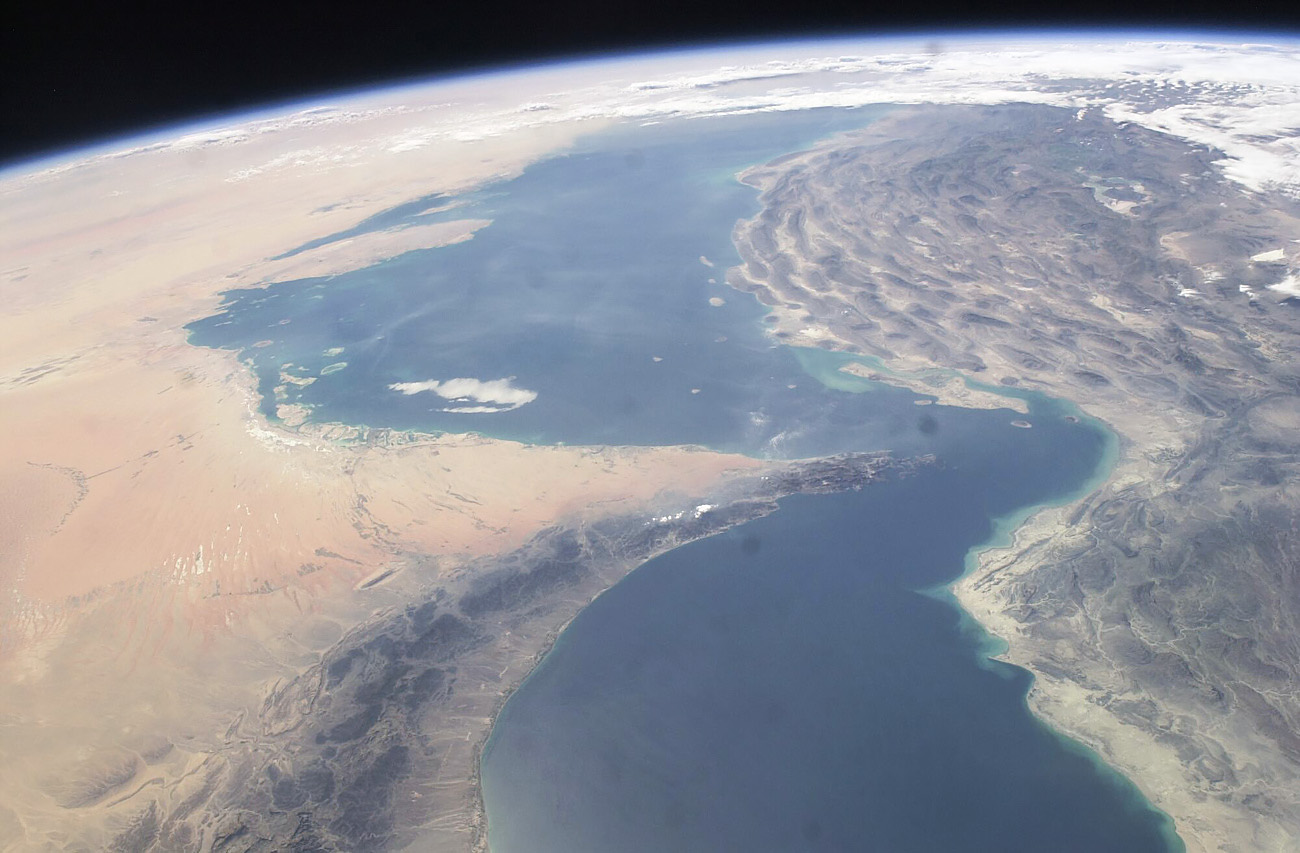
>>Read our article about the impact of the blockade of the Strait of Hormuz:
More
Iran-US: the stakes of disruption at Hormuz for Switzerland
The conflicts in the Middle East could worsen the world’s food crises, although the authors of the report explained that it is still too early to measure the impact. They highlighted the risks from rising energy and food prices, disruptions to imports, and limited access to agricultural inputs, including fertilisers.
4. Protracted food crises intensify food insecurity
External Content
In the last ten years, nearly half of those suffering from acute food insecurity lived in six countries: Afghanistan, the Democratic Republic of the Congo, Nigeria, Sudan, Syria and Yemen.
“Food insecurity is becoming more entrenched. Of all the [47] countries that are analysed in this report […] 33 of these countries have been in the report every single year [since 2016],” said Jean-Martin Bauer, WFP director of food security. Countries in protracted food crises account for roughly 80% of people affected by acute food insecurity.
“Unless we act earlier and differently, we will continue to see the same crises deepen and repeat,” Bechdol warned.
5. Humanitarian and development funding is decreasing
External Content
Despite the increase in food insecurity, funding allocated to humanitarian and development aid in the food sector has decreased. In 2025, it reached its lowest level since 2016-2017.
This reduction has also affected the production of data: fewer countries were covered in this year’s GRFC because of limited resources.
>> Read our article about the impact of US aid cuts on the humanitarian sector:

More
Trump’s aid cuts plunge humanitarian sector into existential crisis
Bauer stressed that without sufficient funding, data and access, the humanitarian system cannot respond adequately to “this predictable and preventable problem that is hunger”.
Edited by Virginie Mangin/ptur/Adapted from French by K. Bidwell/sb

More
International Geneva

In compliance with the JTI standards
More: SWI swissinfo.ch certified by the Journalism Trust Initiative

You can find an overview of ongoing debates with our journalists here . Please join us!
If you want to start a conversation about a topic raised in this article or want to report factual errors, email us at english@swissinfo.ch.