








Crans-Montana: last Swiss fire victim treated abroad set to return home
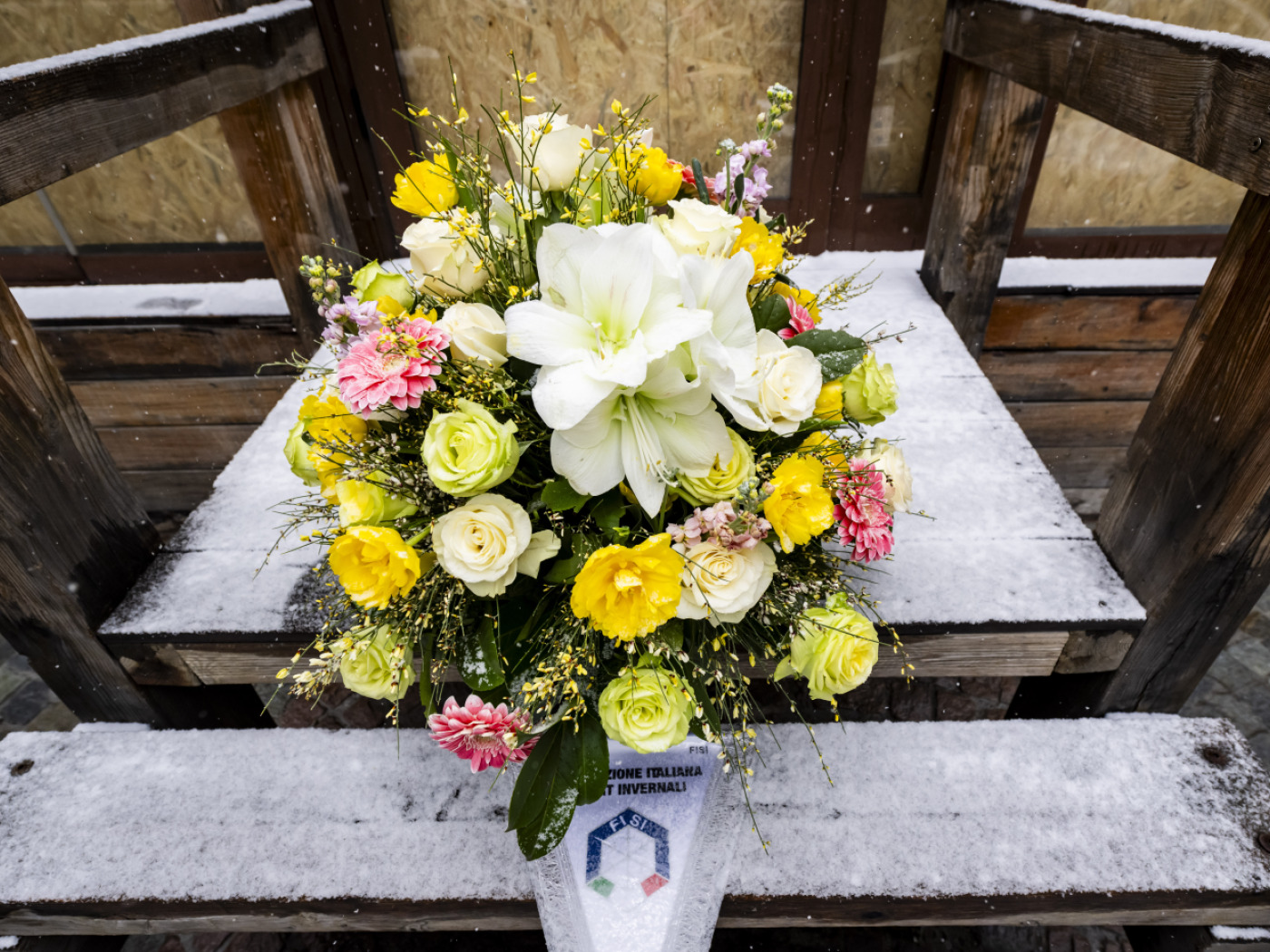
Only one Swiss national remains hospitalised abroad in connection with the Crans-Montana fire tragedy. He will be able to return to Switzerland next week. A total of 41 people died in the disaster, and 115 were injured; 38 remain in hospital or are receiving specialist treatment.
Select your language
Generated with artificial intelligence.
Listening:
Crans-Montana: last Swiss fire victim treated abroad set to return home
+Get the most important news from Switzerland in your inbox
This situation has prompted the Swiss Federal Office for Civil Protection (FOCP) to stop publishing a weekly count of the number of people injured in the New Year’s Eve fire at the Le Constellation bar who were hospitalised.
“The main reason why the FOCP recorded national figures was to plan repatriations in line with hospital capacity,” the office told the Keystone-ATS news agency on Friday.
“These figures were therefore an essential element in the decision-making process of the competent authorities. As this need has now been met, these data are no longer collected.”
The fire in the Le Constellation bar in the Swiss ski resort on New Year’s Eve killed 41 people and injured 115 others, some seriously.
+ ‘For us, 2026 doesn’t exist’: parent of Swiss bar fire victim
At the last count published on April 29, 38 people were injured and receiving specialist treatment, six of whom were at the Lausanne University Hospital (CHUV) in Lausanne and four in Zurich.
Treatment abroad
At the end of April, 10 people with burns were being looked after by Suva. Seven were at the Clinique romande de réadaptation in Sion, canton Valais, and three in Bellikon, canton Aargau.
More
Crans-Montana blaze exposes cracks in Switzerland’s image
Eighteen other patients were still being treated abroad. Of these, ten were still being treated in France and eight in Italy (one has since been able to return home). There were no more cases recorded in Germany.
At the end of April, eight foreign nationals domiciled in Switzerland were still being treated: half in Switzerland, the other half in a neighbouring country.
Adapted from French by AI/sb
We select the most relevant news for an international audience and use automatic translation tools to translate them into English. A journalist then reviews the translation for clarity and accuracy before publication.
Providing you with automatically translated news gives us the time to write more in-depth articles. The news stories we select have been written and carefully fact-checked by an external editorial team from news agencies such as Bloomberg or Keystone.
If you have any questions about how we work, write to us at english@swissinfo.ch.
External Content


See more Swissinfo articles in your Google results. Learn more

In compliance with the JTI standards
More: SWI swissinfo.ch certified by the Journalism Trust Initiative

You can find an overview of ongoing debates with our journalists here . Please join us!
If you want to start a conversation about a topic raised in this article or want to report factual errors, email us at english@swissinfo.ch.