








Avalanches have claimed 15 lives in Switzerland this winter
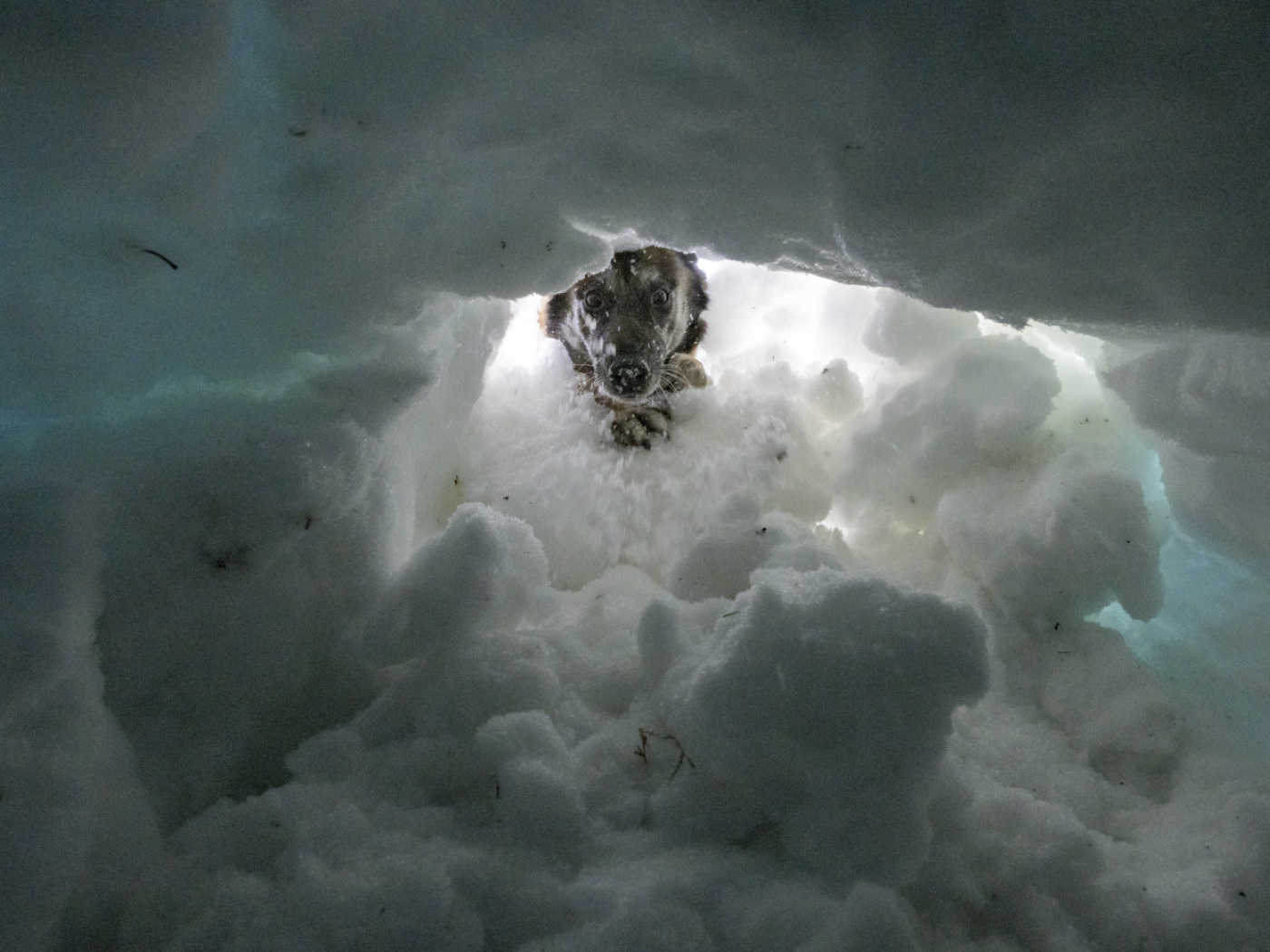
This winter significantly more people than usual have been buried by avalanches in the Swiss mountains. However, the number of fatalities at the end of March was the similar to the long-term average.
Select your language
Generated with artificial intelligence.
Listening:
Avalanches have claimed 15 lives in Switzerland this winter
+Get the most important news from Switzerland in your inbox
According to a review published on Tuesday by the Swiss Federal Institute for Forest, Snow and Landscape Research (WSL), 244 people were recorded in 171 avalanches this winter up to the end of March. These figures are well above the average for the last ten years, which is 182 people recorded in 127 accidents.
Fifteen people lost their lives. None of the buried persons were on ski slopes. Nine were recorded in touring terrain, six in off-piste terrain, as can be seen on the WSL website. The average for the last ten years up to the end of March is 14 fatalities.
Winter with an ‘old snow problem’
A so-called “old snow problem” characterised the winter of 2025/26 in the entire Alpine region. After an early onset of winter at the end of November, the weather remained dry and sunny until January. The resulting thin snow cover was heavily transformed and formed a very weak, unstable base.

More
Swiss AI model ‘listens’ to the mountain to detect avalanches
According to the WSL, winters with a pronounced old snow problem are particularly accident-prone. The danger is often not easy to recognise, even for experts in the field. In addition, avalanches that start in deep layers of the snowpack are usually dangerously large.
Valais, Ticino and Graubünden were particularly affected by this situation.
Climatologically, the winter of 2025/26 was like the previous winter, too warm and characterised by well below-average snow depths. New snowfall totals across Switzerland only reached 50% to 75% of the long-term average. The snow deficit was greatest in the east of Switzerland.
Translated from German by AI/jdp
We select the most relevant news for an international audience and use automatic translation tools to translate them into English. A journalist then reviews the translation for clarity and accuracy before publication.
Providing you with automatically translated news gives us the time to write more in-depth articles. The news stories we select have been written and carefully fact-checked by an external editorial team from news agencies such as Bloomberg or Keystone.
If you have any questions about how we work, write to us at english@swissinfo.ch

In compliance with the JTI standards
More: SWI swissinfo.ch certified by the Journalism Trust Initiative

You can find an overview of ongoing debates with our journalists here . Please join us!
If you want to start a conversation about a topic raised in this article or want to report factual errors, email us at english@swissinfo.ch.