








Bacteria secrets revealed of 142-year-old Swiss cheese

An analysis of cheese from western Switzerland going back to 1875 indicates that modern production methods have reduced the bacterial diversity in cheese. In addition, the use of antibiotics has left traces in the cheese wheels.
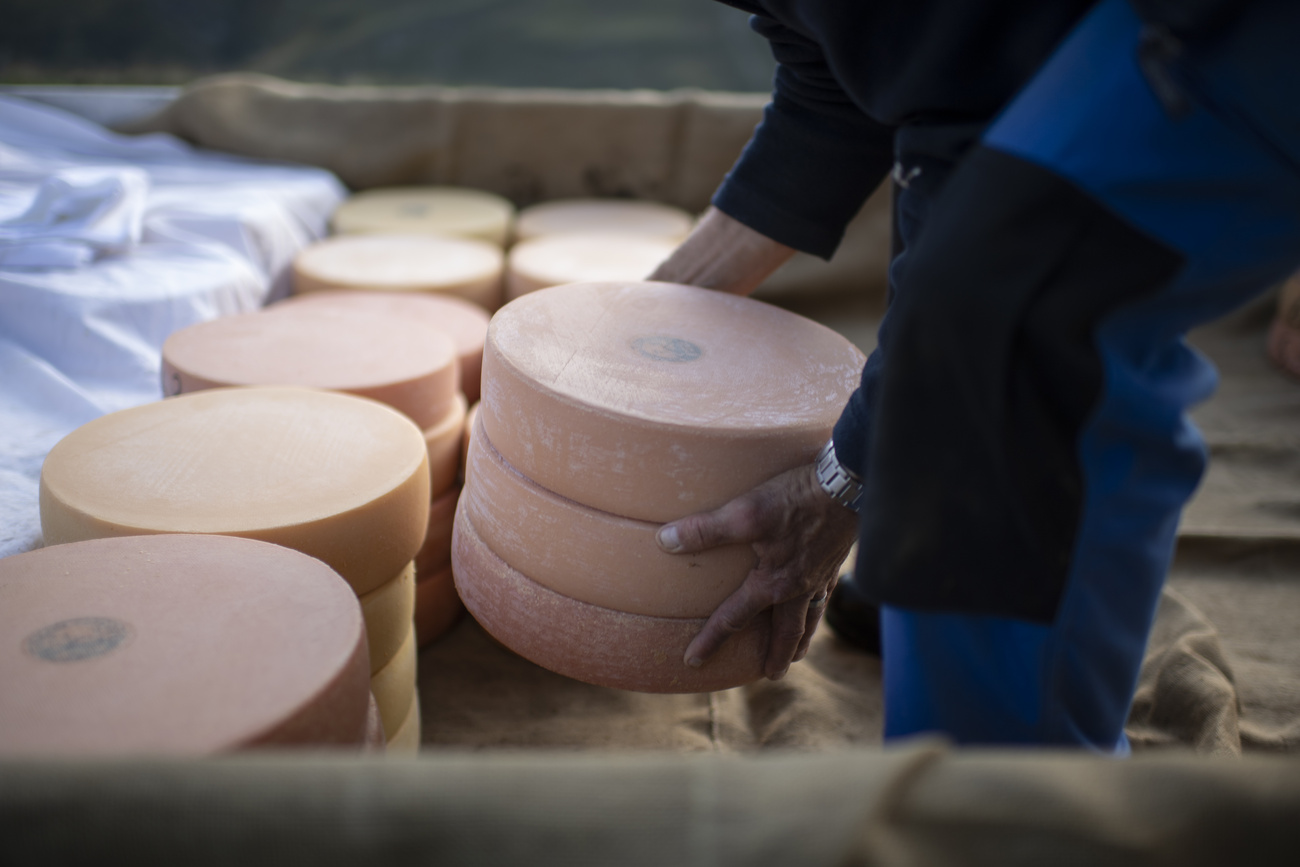
A research team led by Agroscope and the federal technology institute ETH Zurich has studied eight wheels of Valais raclette cheese dating from 1875 to 2017, according to a study published on Thursday in the specialist journal Current Biology. These wheels all came from the same Alpine cheese dairy and formed a unique chronological series, as they had been preserved in accordance with an ancient burial tradition.
DNA analyses showed that the oldest cheese, dating from 1875, had a markedly different and more diverse composition. It contained numerous bacteria typically found in the gut or on plants. The researchers attribute this phenomenon to the production methods of the time.
The study notes that increasing standardisation, improved hygiene conditions and the use of commercial starter cultures have led to a decline in bacterial diversity in more recent cheeses.
More
How to produce authentic Swiss cheese
A reflection of antibiotic use
The cheese samples also reflect the history of antibiotic use in veterinary medicine. While the cheese from 1875 was free of antibiotic resistance genes, these appeared in large numbers in samples dating from the second half of the 20th century.
For example, the cheese from 1975 contained a high concentration of genes conferring resistance to tetracyclines. The use of this active ingredient became widespread in Switzerland from the 1950s onwards. In contrast, in the most recent cheese, dating from 2017, such resistance genes were no longer detectable.
More
Swiss eat more than 23kg of cheese on average
Lactic acid bacteria, which are essential for cheese-making, were already showing signs of domestication as early as 1875. This process of adaptation to the cheese-making environment therefore took place largely before the period under study.
Bacteriophages – viruses that infect starter cultures and pose a risk to cheese-making facilities – were also already present in the oldest cheese. Their communities have remained relatively stable over the course of 142 years. According to the authors, the study further demonstrates that cheese is an excellent archive for the long-term preservation of microbial DNA.
More
Heatwaves and drought hit Swiss cheese makers
+ How we produce news in English
Translated from French, reviewed by an English Department journalist.

In compliance with the JTI standards
More: SWI swissinfo.ch certified by the Journalism Trust Initiative

You can find an overview of ongoing debates with our journalists here . Please join us!
If you want to start a conversation about a topic raised in this article or want to report factual errors, email us at english@swissinfo.ch.